
The tension at Churchill Downs is palpable, a static charge that only gathers in Louisville, Ky., once a year. As the clock ticks toward 6:57 p.m. ET on Saturday, May 2, the racing world prepares to crown a new hero at the 2026 Kentucky Derby. While the sport hasn't seen a Triple Crown winner since Justify captured the public imagination in 2018, the dream remains the industry’s North Star. This isn’t just about a two-minute race; it is the culmination of years of breeding, grueling training cycles, and the high-stakes gamble of human ego against animal instinct.
The Odds and the Inside Trap
The betting board tells a story of uncertainty and tactical anxiety. Renegade enters the starting gate as the 4-1 favorite, a position that commands respect but invites scrutiny. Most critically, he has drawn the No. 1 inside post. Even on what appears to be a dry, fast track, the rail position is notoriously unforgiving, forcing a horse to navigate a crowded field while risking being pinned against the inner fence.
For those looking beyond the chalk, the market offers alternatives like Further Ado at 6-1 or Chief Wallabee at 8-1. These selections carry the weight of legacy; their connections have tasted Derby glory before, a factor that seasoned bettors often weigh more heavily than raw speed alone. The disparity between the favorite and these challengers reflects a wider industry shift where tactical experience is becoming a premium commodity against the unpredictability of young, lightly raced colts.
Following the Sharp Money
In a world saturated with noise, finding a signal requires looking at the track record of those who have navigated the chaos before. Racing analyst Michelle Yu has carved out a reputation for identifying value in the madness. From correctly picking Medina Spirit at 12-1 in 2021 to identifying the "All Other 3-Year-Olds" play that cashed at 18-1 when Rich Strike shocked the field, her influence on the betting landscape is significant.
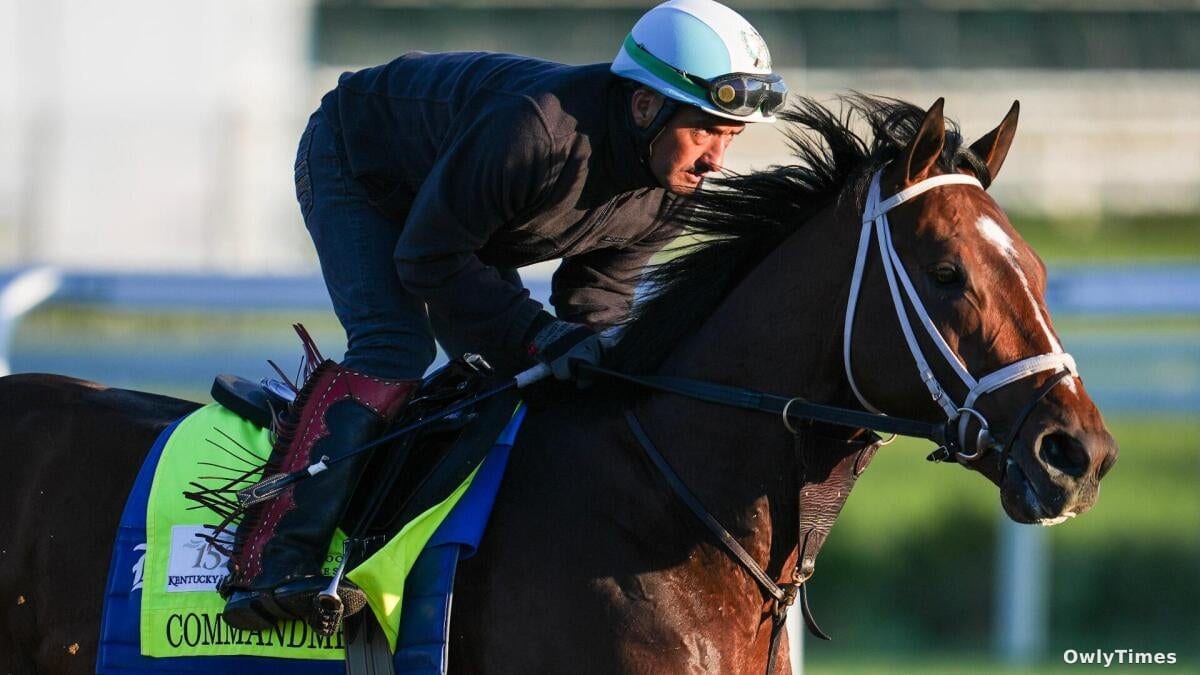
Yu’s methodology is rooted in identifying when the public narrative diverges from the horse's physiological reality. For instance, she is notably fading Commandment, despite his 6-1 odds and four-race win streak under trainer Brad Cox. Her concern is that his winning margins have thinned as the distances have increased. In a sport where the final furlong is the ultimate test of heart and stamina, a horse that struggles to close is a liability. Furthermore, she points to the track record of jockey Luis Saez, who, despite success in the Kentucky Oaks, has failed to crack the top two in 12 previous Derby starts.
The "Wiseguy" Horse and the Tactical Shift
Conversely, the hype surrounding Chief Wallabee—the Bill Mott-trained son of Constitution—is a masterclass in modern racing sentiment. Despite not having a win since breaking his maiden in January, he has been a consistent presence in the Fountain of Youth Stakes and the Florida Derby. Yu notes that the addition of blinkers and a sharp drill over the strip have made him the "wiseguy" horse, appealing to those who favor pedigree and training over simple win-loss records.
This moment in time, as the starting gate prepares to swing open, is a reminder of how much the industry relies on the intersection of data and intuition. Whether the favorite overcomes the dreaded inside post or a longshot rewards the diligent, the race serves as the definitive test for the sport's health. The next reading of the official race results will determine not just the winner of the roses, but whether the 2026 season will finally yield a challenger capable of chasing the elusive Triple Crown.

