
The Strategic Gamble of Alba’s Financial Crisis
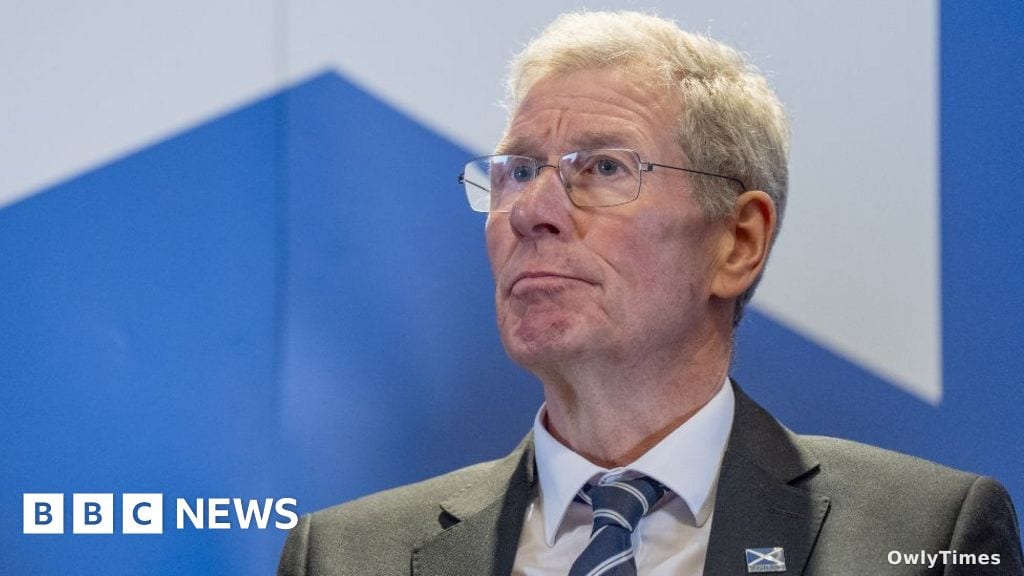
The sudden announcement from Kenny MacAskill that the Alba Party may not contest May’s Holyrood election isn’t merely a consequence of financial woes; it’s a calculated, albeit desperate, maneuver in a long-running power struggle within the Scottish independence movement. Accusations of fraud, a police investigation, and the looming possibility of electoral oblivion all point to a strategic calculus designed to shift blame and potentially reshape the party’s future—or extinguish it entirely. The claim of fraud, levied just as the party faces near-certain electoral failure, serves as a shield against accusations of mismanagement and a potential springboard for a leadership challenge.
This piece references the the BBC report.
Who Benefits and Who Loses from Alba’s Predicament
The immediate losers are clear: the Alba Party itself, its supporters, and the broader pro-independence movement, which loses a potential voice in the Scottish Parliament. Alba’s failure to translate Alex Salmond’s initial momentum into electoral success has been a persistent problem, evidenced by their paltry 0.5% share of the vote in last year’s general election. However, the situation creates opportunities for others. Tommy Sheridan, Angus MacNeil, Christina Hendry, and Suzanne Blackley—the four senior members who offered to “take the party forward”—stand to gain influence if they can successfully navigate the current crisis and present a viable alternative leadership. Perhaps most significantly, the turmoil within Alba could benefit the Scottish National Party (SNP). With Alba sidelined, the SNP faces less direct competition for the independence vote, potentially consolidating their position as the dominant force in Scottish politics.
Echoes of the Scottish Labour Party’s Internal Strife
The current situation bears a striking resemblance to the internal struggles that plagued the Scottish Labour Party in the early 2010s. Following the 2011 Scottish election, where Labour lost its majority, the party was beset by infighting and accusations of financial mismanagement. While the specifics differ—fraud allegations versus accusations of electoral malpractice—the underlying dynamic is the same: a party struggling to maintain relevance faces a crisis of leadership and finances, leading to a fracturing of loyalties and a scramble for control. Just as Labour’s internal divisions weakened its ability to challenge the SNP, Alba’s current predicament threatens to undermine the broader independence cause. The source close to former general secretary Chris McEleny, who claims the current leadership’s “sheer incompetence” is to blame for the party’s potential collapse, echoes the criticisms leveled against previous Labour leaders during that period. McEleny’s dismissal last year, following accusations of gross misconduct, further complicates the narrative, suggesting a deeper pattern of internal conflict.
The Salmond Shadow and the Question of Accountability
The specter of Alex Salmond, the party’s founder, looms large over this entire affair. While Salmond himself has not directly commented on the allegations, the fact that the police investigation began during his leadership and that a source close to McEleny insists the party’s finances were “sound and compliant” under Salmond raises uncomfortable questions about accountability. MacAskill’s insistence that the national executive committee, not individuals like Sheridan or MacNeil, will decide the party’s future is a deliberate attempt to deflect scrutiny from Salmond’s role in the party’s early financial management. The timing of these revelations, so close to the election, suggests a deliberate strategy to control the narrative and minimize damage.
The Next Political Chess Move: The National Executive Committee’s Decision
The crucial moment to watch is the decision of the Alba Party’s national executive committee regarding whether to contest the Holyrood election. MacAskill’s statement that the decision rests with this body, and not with him or other prominent figures, is a carefully crafted ambiguity. Will the committee, potentially influenced by Sheridan and his allies, seize the opportunity to reshape the party and attempt a revival? Or will they succumb to the pressure of the financial crisis and effectively concede defeat, allowing the party to fade into obscurity? The committee’s decision, expected within days, will reveal the true extent of the power struggle within Alba and determine whether the party has a future beyond this election cycle.





