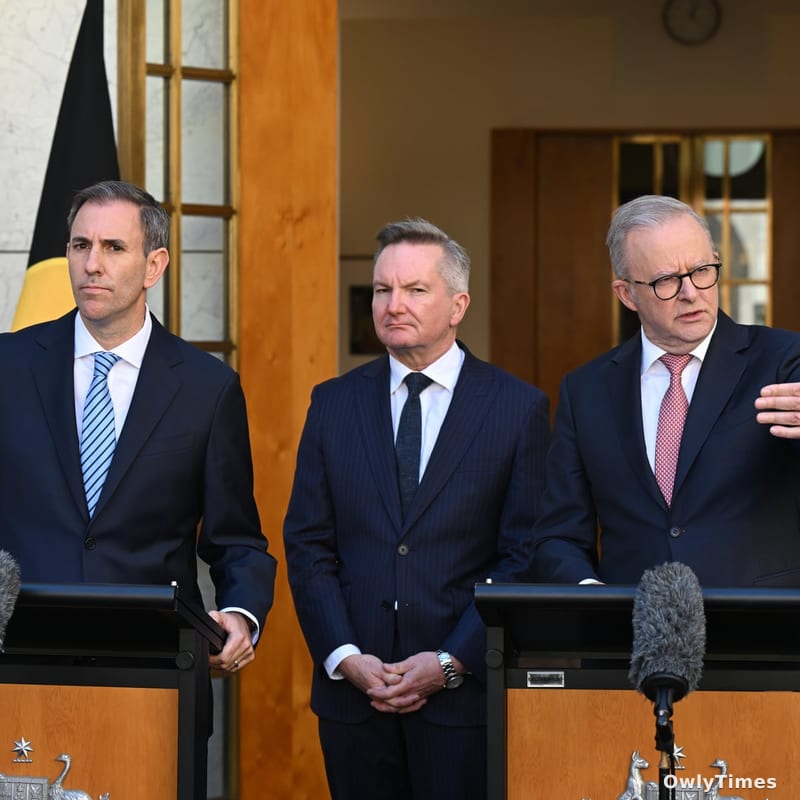

The strategic pivot toward generational equity is no longer merely a rhetorical device for the current government; it has become the primary mechanism for rebalancing the federal budget. By framing fiscal consolidation as a matter of fairness between the "lucky" generation and those aged 25–45 struggling with housing and cost-of-living pressures, the administration is effectively neutralizing potential backlash against austerity. This is a calculated attempt to align policy with a growing demographic resentment, positioning the state as an arbiter of intergenerational justice rather than just a manager of debt.
The Cost of Generational Rebalancing
The recent move by Health Minister Mark Butler to scrap the top-up private health insurance subsidy for those over 65 is the clearest manifestation of this strategy. By ending a benefit introduced by John Howard, the government creates a narrative of corrective fairness, arguing that two households on identical incomes should not receive disparate support based solely on age. While this change is projected to save the government $3bn over the forward estimates, the political gain is arguably more valuable than the fiscal one. It provides the government with the moral authority to redirect these funds into aged care, framing the policy as a trade-off rather than a pure cut.
Managing the NDIS Expenditure Trajectory
If the health insurance cut is the scalp, the overhaul of the National Disability Insurance Scheme (NDIS) is the engine of the government’s fiscal plan. With an estimated $22bn in savings targeted over a four-year budget period, the government is attempting to wrestle with an expenditure trajectory that even former minister Bill Shorten could not fully contain. The political danger here is acute; the government must balance the necessity of fiscal discipline against the inevitable outcry from stakeholders and those potentially affected by the new, lower growth rate of 2% annually. For Treasurer Jim Chalmers, these savings are essential to avoid the appearance of reckless spending while the Reserve Bank monitors the budget’s inflationary impact.
The Gas Tax Paradox
While the government is eager to court younger voters through generational equity reforms, it faces a contradictory pressure regarding a potential tax on gas exports. Former Treasury head Ken Henry has publicly urged the government to leverage these windfall gains to address long-term productivity and debt, framing it as an investment in future generations. However, the government’s strategic calculus is constrained by international commitments and regional alliances. Prime Minister Anthony Albanese has been vocal about maintaining Australia’s status as a "dependable supplier" of LNG, a position supported by Western Australian Premier Roger Cook.
Who Gains and Who Loses
In this power dynamic, the winners are those who benefit from the government's shift toward targeted social spending and the preservation of international investment contracts. The losers are the older cohorts who previously enjoyed specific subsidies and those who expected a more populist approach to taxing gas producers. The government is betting that by prioritizing structural budget repairs—such as the NDIS reset—it can weather the friction from these interest groups.
The next reading of the NDIS cost growth rate will show whether the government can actually hit its target of a 2% annual increase, a metric that will serve as the primary indicator of whether the administration’s fiscal discipline is sustainable or merely aspirational.





