
$228 Billion Shift Signals Apple’s Calculated Retreat From Spectacle
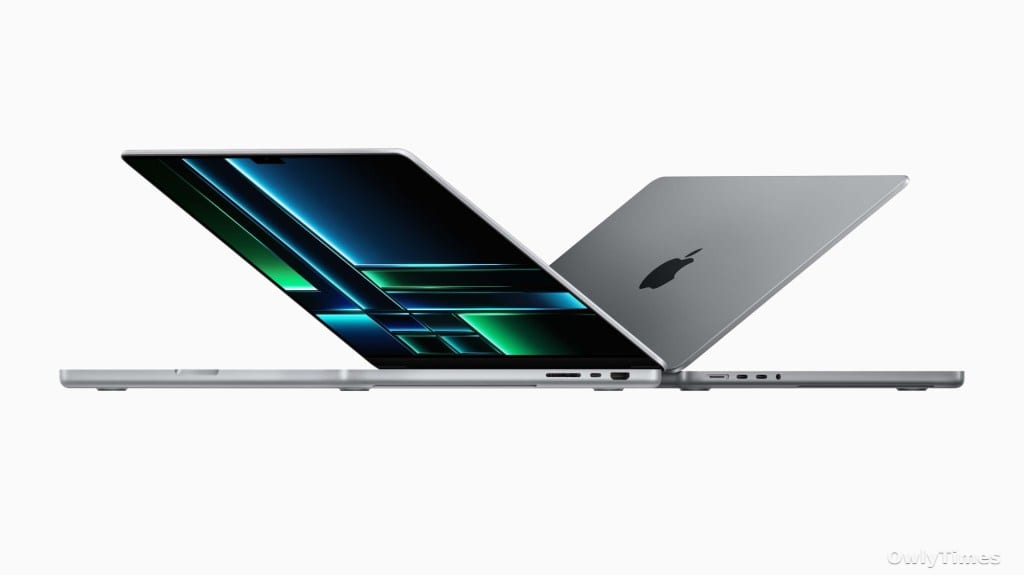
Apple’s announcement of a March 4 product launch – a comparatively modest in-person “experience” in New York, Shanghai, and London – isn’t about what’s being announced, but how it’s being announced. While new devices, including an anticipated iPhone 17e and a refresh of the MacBook line expected to generate roughly $228 billion in revenue over the next fiscal year according to Bloomberg Intelligence estimates, are significant, the shift away from the globally-streamed keynote format signals a deliberate recalibration of Apple’s marketing strategy. Follow the money: Apple’s stock price has remained relatively flat despite consistent product releases, indicating diminishing returns from the traditional “reveal” event. The company is prioritizing targeted engagement over broad, splashy announcements, a move that reflects a maturing market and increased competition.
This isn’t simply a post-pandemic adjustment. Apple’s reliance on streamed keynotes surged in 2020, becoming a cost-effective way to reach a global audience during lockdowns. However, the data suggests that the impact of these broadcasts has waned. Viewership numbers, while initially high, have steadily declined, and the correlation between keynote views and subsequent sales has weakened. The return to in-person events, albeit smaller and regionally focused, suggests Apple believes direct engagement with key media and influencers will yield a higher return on investment. This is a calculated bet that exclusivity and curated experiences will drive more impactful coverage and, ultimately, sales.
This article draws on reporting from ocregister.com.
The timing of this shift coincides with a broader geopolitical realignment impacting the automotive sector, and a potential loosening of restrictions on Chinese technology within the US. Discussions between Ford CEO Jim Farley and members of the previous Trump administration regarding joint ventures between US and Chinese automakers reveal a growing anxiety about falling behind in the electric vehicle race. The proposed structure – a controlling stake for US companies in partnerships with Chinese firms – mirrors the model China imposed on Western automakers decades ago. This isn’t about welcoming competition; it’s about accessing crucial technology and manufacturing capabilities. The fact that these discussions are happening now, as Chinese EV manufacturers like BYD gain traction in Mexico and Canada, underscores the urgency.
This potential policy shift, however, creates a tension. While the US aims to bolster its EV industry, it risks further entangling its economic future with China, a nation viewed with increasing strategic suspicion. The $7.5 billion in incentives offered by the Inflation Reduction Act are designed to incentivize domestic production, but the reality is that US manufacturers currently lack the scale and technological expertise to compete effectively without external partnerships. The Ford-Trump discussions represent a pragmatic, if politically sensitive, acknowledgement of this reality. The question isn’t if Chinese technology will play a role in the US EV future, but how that role will be defined and controlled.
Meanwhile, the Federal Reserve is poised to reshape the mortgage landscape with new capital requirements tied to Basel III. Michelle Bowman, the Fed’s top bank cop, indicated a move towards “risk sensitivity” in mortgage loan capital requirements, potentially using loan-to-value ratios to determine risk weighting. This is a direct response to the migration of mortgage activity from banks to non-bank lenders over the past 15 years, a trend fueled by less stringent regulations. The Fed’s proposed changes aim to level the playing field and encourage banks to retain more mortgage lending on their books. This isn’t simply about regulatory compliance; it’s about stabilizing the housing market and ensuring banks have sufficient capital to absorb potential losses.
What this means for your wallet: Expect slightly higher mortgage rates as banks adjust to the new capital requirements, but also potentially greater stability in the housing market. The Apple shift suggests consumers should anticipate more targeted product releases and marketing, potentially leading to less frequent, but more impactful, upgrades. Finally, watch closely for developments in the US-China automotive relationship – the outcome will directly impact the price and availability of electric vehicles in the coming years. Will the US prioritize national security concerns over access to crucial EV technology? The answer will determine the future of the American auto industry.