
The ice is still settling from the roar of the Winter Olympics, but the energy in Baltimore isn’t fading – it’s shifting. On March 6th, the Paralympic Winter Games begin, and for a growing number of athletes, the journey to the podium started not in grand, state-of-the-art facilities, but within the unassuming walls of the Kennedy Krieger Institute’s Bennett Blazers adaptive sports program. This isn’t just about celebrating athletic achievement; it’s about a fundamental recalibration of what we consider possible, and a city quietly becoming a powerhouse in the Paralympic movement.
From “You Can’t” to Gold Medals: The Bennett Blazers Philosophy
The core tenet of the Bennett Blazers, as articulated by co-director and coach Gerry Herman, is deceptively simple: “Teach children they can before they’re told they cannot.” It’s a philosophy born of necessity, a direct response to the barrage of limitations often imposed upon children with disabilities. Herman describes parents arriving at the program after being told, repeatedly, what their children couldn’t do. The Blazers offer something radically different: a space to discover what they can. This isn’t simply about providing athletic opportunities; it’s about rebuilding belief, fostering resilience, and challenging deeply ingrained societal biases. The program’s success isn’t measured solely in medals—though the Blazers have produced Paralympians like Tatyana McFadden, Daniel Romanchuk, and Noah Grove—but in the expanded horizons of the young athletes who pass through its doors.
The Evolution of a Sport and a Pathway to Elite Competition
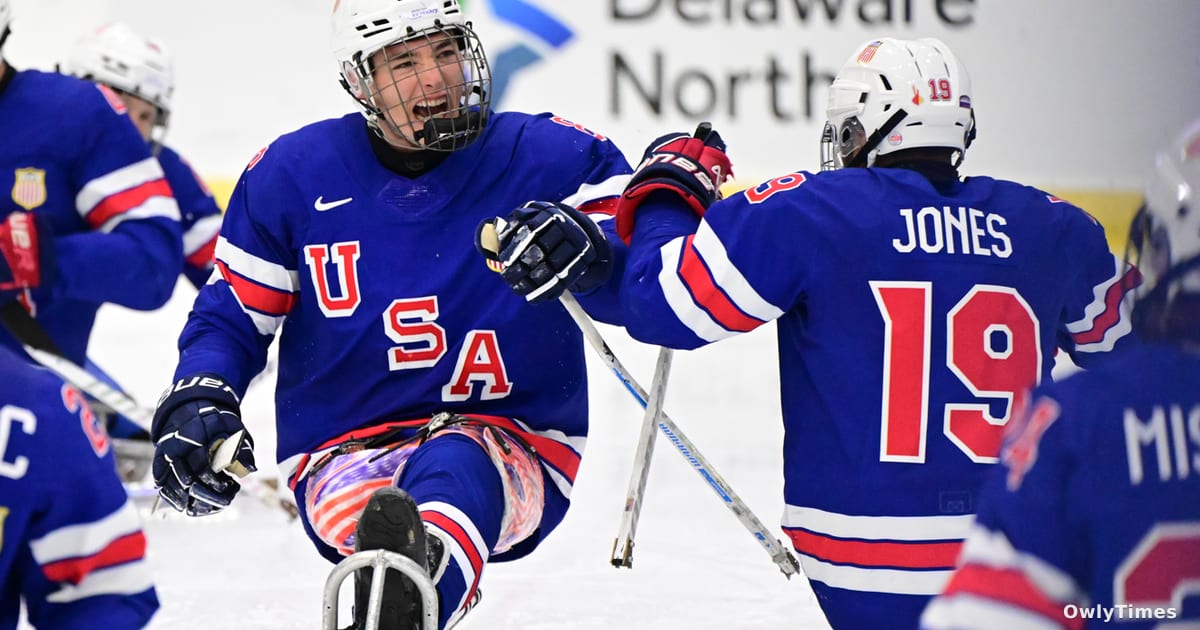
The rise of Paralympic sports, particularly sled hockey, hasn’t been organic. David Hoff, head coach of the U.S. National Sled Hockey Team, points to a historical lack of infrastructure. “For a long time, sled hockey was relatively new so you’re trying to find the best that were out there and there wasn’t maybe a path to get from A to B,” he explained. That path is now being forged, and Baltimore is at the forefront. Hoff credits local associations with actively recruiting and providing opportunities, creating a pipeline that feeds into the national team. The story of Noah Grove, a current Paralympian who discovered his passion for sled hockey after trying a multitude of other sports through the Blazers, exemplifies this evolution. Hoff recalls Grove’s scoring prowess immediately signaling his potential: “It was like you know what. It's time for this kid to get the chance to at least try out for the national team.”
Source material: CBS News.
Beyond Athleticism: Challenging Perceptions and Building Community
The impact of programs like the Bennett Blazers extends far beyond the playing field. Herman emphasizes that the program demonstrates the intense training and dedication required of Paralympic athletes, mirroring the commitment of their Olympic counterparts. This challenges the often-subconscious tendency to view Paralympic sports as somehow “less than.” The Blazers aren’t just showcasing athletic prowess; they’re dismantling stereotypes and fostering a more inclusive understanding of athleticism. This is particularly crucial in a society where individuals with disabilities continue to face systemic barriers to participation in sports and other activities. The program’s success also sparks a broader conversation about accessibility and equity, highlighting the need for increased investment in adaptive sports programs across the country.
A New Standard for Paralympic Preparation
What’s happening in Baltimore isn’t just a local success story; it’s a potential model for Paralympic development. The U.S. currently boasts a larger pool of sled hockey players than many other nations, a direct result of the dedication of local associations and programs like the Bennett Blazers. Hoff notes, “Just the fact that they’re out there constantly recruiting trying to provide a good opportunity” is making a significant difference. As the 2026 Paralympics approach, the question isn’t just who will win gold, but whether the momentum generated by programs like the Blazers will inspire a nationwide expansion of adaptive sports opportunities. Will other cities prioritize creating these pathways for young athletes, recognizing that potential isn’t defined by ability, but by opportunity? The world will be watching, and Baltimore is poised to lead the way.

