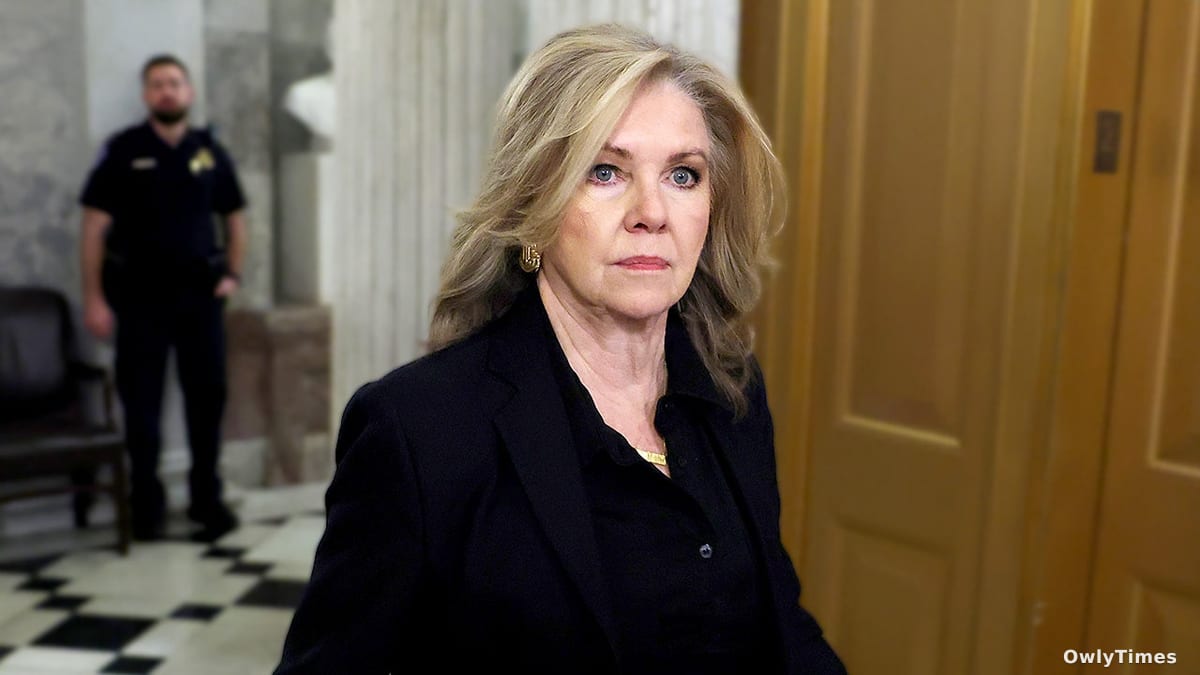

The smartphone in your pocket has quietly transformed the American living room into a casino floor, and for many, the thrill of the game is beginning to look less like a pastime and more like a systemic crisis. As sports betting migrates from the physical sportsbook to the infinite scroll of social media, the line between fan engagement and predatory gambling has blurred to the point of disappearing. For Senator Marsha Blackburn, this isn't just a matter of industry growth; it is a fundamental challenge to the integrity of the games that define our culture.
Following a recent Senate Commerce Subcommittee hearing titled "No Sure Bets: Protecting Sports Integrity in America," it is clear that the regulatory status quo is under fire. According to the report from OutKick, Blackburn, who chairs the subcommittee, emphasized that the rapid expansion of both sports betting and prediction markets requires a rigorous re-examination of where federal oversight must step in to protect consumers. While 39 states and Washington, D.C. have moved to legalize sports betting since the 2018 Supreme Court decision to strike down the federal ban known as PASPA, the digital landscape has evolved faster than the laws governing it.
The Semantic Battle Over Prediction Markets
A central tension exists between traditional sportsbooks and the emerging world of prediction markets. While companies like Polymarket argue they operate under federal commodities law and the oversight of the Commodity Futures Trading Commission (cftc.gov), critics see a different reality. American Gaming Association President and CEO Bill Miller did not mince words, characterizing these platforms as "backdoor sports betting operations."
The industry argument, championed by figures like former Rep. Patrick McHenry, rests on the technical distinction that prediction markets allow users to trade contracts with one another rather than betting against "the house." Yet, that nuance is failing to convince lawmakers. Senators like John Curtis and Jacky Rosen voiced skepticism during the hearing, suggesting that if a platform walks, talks, and functions like a sportsbook, it should be regulated as one. The fundamental concern is that these markets are effectively circumventing the state and tribal gaming frameworks that have been painstakingly built over the last six years.
Algorithms and the Youth Crisis
Beyond the technicalities of market classification lies a more visceral societal concern: the targeting of minors. Blackburn pointed to a startling reality where over one-third of boys between the ages of 11 and 17 engaged in gambling last year. For many of these young users, the entry point wasn't a conscious choice to visit a betting site, but an algorithmic push.
"Sixty percent of those who have seen gambling content online said they had it surfaced through their social media algorithms," Blackburn noted. This creates a cycle of exposure that the industry’s current defense—claiming they do not market to those under 18 or 21—fails to address. As long as these companies advertise on platforms like Instagram, Snapchat, and TikTok, they are placing their products in the direct line of sight of minors, regardless of their stated intent.
The Peril of the 'Nonstop Slot Machine'
The conversation also turned toward the mechanical nature of modern betting, specifically "microbetting." Expert witness Dr. Harry Levant, a director at the Public Health Advocacy Institute, offered a sobering perspective, arguing that the human brain is simply not equipped to handle the rapid-fire, high-frequency stimulation of bets placed every 10 seconds. When sports are converted into a series of data-driven, granular wagers, the game itself risks being hollowed out.
This is not merely a theoretical danger. The hearing touched upon the real-world erosion of trust, citing federal cases like the indictment of Cleveland Guardians pitchers Emmanuel Clase and Luis Ortiz. As state regulators like Tennessee Sports Wagering Council Executive Director Mary Beth Thomas work to block high-risk bets—such as individual college player props—the industry remains a patchwork of varying protections.
The next series of hearings will serve as a barometer for whether Congress believes a unified federal standard is necessary to curb this trend. As the subcommittee evaluates whether to create a baseline for integrity and safety, the trajectory of this industry will depend on whether policymakers can reconcile the booming digital economy with the preservation of fair play in the physical world.

