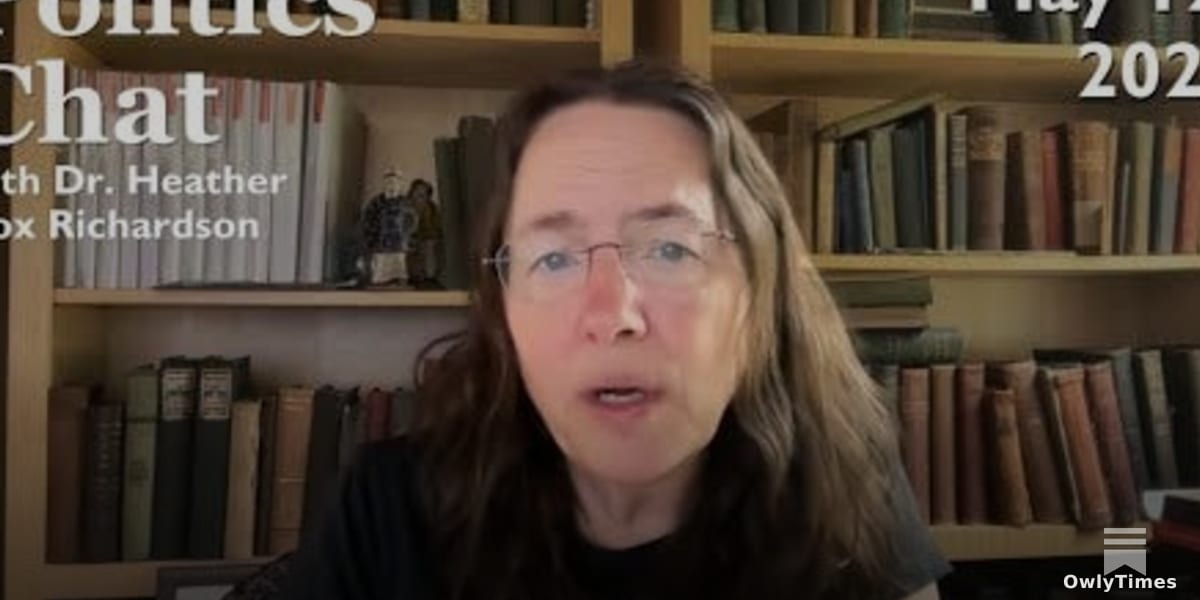

The strategic calculus behind sustained civic engagement often boils down to the fundamental question of power distribution and the legitimacy of governance. Recent reflections on a "mass of information" concerning the electoral process highlight a critical juncture where the very mechanics of democracy are under scrutiny, framed by a sense of urgency akin to a "Graduate PoliSci seminar" with a "Final Exam is on Tuesday next." This perspective, shared by an individual residing in the "Blue Western Wall" region and accustomed to "thick Voters Pamphlets," underscores a perceived imperative for direct action in shaping political outcomes, rather than simply observing them.
The Strategic Imperative of Participation
At the heart of any electoral system lies the principle of participation, and understanding "who benefits and who loses" from differing levels of engagement is key to political analysis. When a "discussion on voting" is perceived as "superior but maybe a little elementary," it suggests a recognition of its foundational importance, even as the complexities of modern political strategy unfold. High voter turnout generally benefits challengers to the status quo or those advocating for significant policy shifts, as it mobilizes broader segments of the population. Conversely, lower turnout often entrenches incumbents or benefits parties with highly motivated, loyal bases, as their votes carry more weight. The declared "duty to vote. No question, no Bullshit, no pack drill," is thus not merely a moral plea but a strategic call to action, aiming to shift the balance of power through sheer numbers.
The current political landscape is frequently characterized by charged rhetoric, which itself serves a strategic purpose. Descriptions like "The Thief-in-Chief is a necrotic narcissist & a Useful Idiot" and the assertion that "The Russians, very probably have extensive Kompromat on Mr Sleaze & his pole dancing wife" are not just criticisms; they are tactics designed to delegitimize opponents and galvanize a base. Such language, while highly partisan, reveals a struggle for narrative control, where information — or the perception of it, such as "extensive Kompromat" — becomes a weapon. This dynamic can erode trust in institutions and individuals, leaving many to question the integrity of the political process itself. The concept of Kompromat, or compromising material used for blackmail, has a long history in political warfare, illustrating how personal vulnerabilities can be weaponized to influence national affairs. More information can be found on its historical applications on Wikipedia.
Rekindling Cross-Partisan Dialogue
Amidst this polarized environment, the call to return to "Talking politely across party lines & organizing people based on common issues is the American Way" stands as a significant counter-narrative. This invocation of a historical ideal serves as a powerful precedent, recalling periods where political differences, while sharp, did not preclude cooperation on shared national objectives. The perceived loss of this "American Way" represents a strategic failure for those who believe that a functional democracy requires a degree of consensus-building and mutual respect. Who loses when such dialogue breaks down? Often, it is the capacity for legislative progress and the ability to address complex societal challenges that require bipartisan solutions. Who benefits? Extremist factions on either side, whose power is amplified in the absence of a unifying middle ground.
The emphasis on a "duty to get our neighbors to the polls, regardless of party," further reinforces this commitment to broad civic participation over narrow partisan victories. This grassroots approach suggests a belief that shared community interests can transcend ideological divides, focusing on the mechanics of democracy rather than the specific outcomes. Such efforts harken back to foundational movements for social and political change. The closing declarations, "We Shall Overcome" and "Avance la Lucha," are direct echoes of historic struggles for civil rights and social justice. "We Shall Overcome," in particular, is an anthem deeply associated with the Civil Rights Movement in the United States, signifying resilience and eventual triumph against oppression. These phrases, embedded in the contemporary political discourse as observed in a recent Heather Cox Richardson's "Politics Chat", are not just expressions of hope; they are a strategic declaration of intent to persist and mobilize.
The Next Political Chess Move
The immediate political chess move to watch centers on the efficacy of these grassroots mobilization efforts. As the electoral cycle progresses, the measurable signal will be the voter registration numbers and, ultimately, the turnout data in upcoming elections. Will the renewed emphasis on civic "duty" translate into tangible increases in participation across all demographics? And more critically, will the stated desire to "return to" cross-party dialogue begin to manifest in local and national political interactions? The success or failure of these two fronts – broad voter engagement and genuine, issue-based collaboration – will define the strategic landscape for the next phase of American politics.





