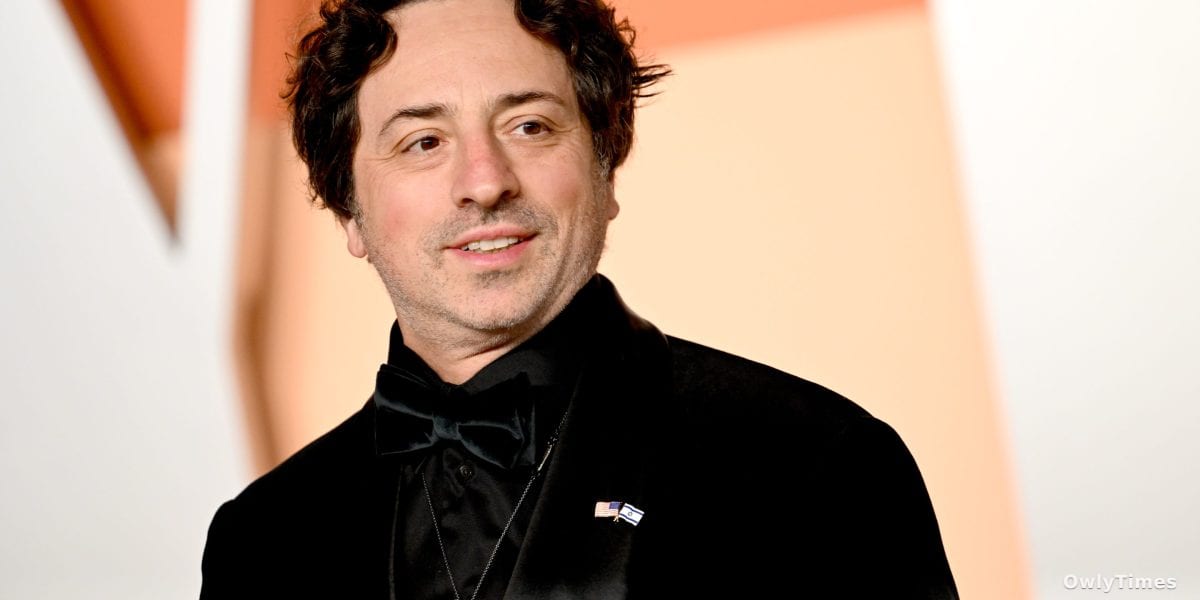

The political calculus in California has shifted from passive philanthropy to aggressive, defensive mobilization among the state’s elite. When Sergey Brin, the world’s fourth-richest man, confronted Governor Gavin Newsom at a holiday party hosted by crypto titan Chris Larsen, the exchange represented more than a personal grievance. It signaled the end of the Silicon Valley donor class’s era of political detachment, transforming a proposed wealth tax into a catalyst for a multi-million dollar counter-offensive against the state’s Democratic establishment.
The Cost of the California Exit
The strategic motivation for the ultrawealthy is clear: protecting capital in a state where the fiscal policy is moving toward direct taxation of assets. For Brin, whose fortune is intrinsically linked to his stake in Alphabet Inc., the tax proposal became a tangible threat to his net worth. His decision to relocate to a lakeside mansion in Nevada was not merely a lifestyle choice; it was a tactical withdrawal that preceded a significant financial pivot.
Brin’s shift in behavior is stark. Prior to this cycle, his last significant contribution in a California election was in 2010, during the tenure of Arnold Schwarzenegger. He has now spent more than $58 million in just four months, including an additional $9 million disclosed late Friday. This represents a fundamental change in the state’s power dynamics: the tech sector is no longer content to donate to climate causes or peripheral social issues. They are now directly funding candidates, such as Silicon Valley Mayor Matt Mahan, who are designed to challenge the status quo.
Who Benefits and Who Loses
In this high-stakes game, the beneficiaries are the insurgents—candidates like Tom Steyer and those aligned with the coalition of Brian Armstrong, Vinod Khosla, and John Doerr. By injecting over $270 million into the political scene, these donors are buying a seat at the table to dictate the state’s fiscal trajectory. Steyer, a former hedge fund manager who has committed more than $140 million to his own gubernatorial bid, is attempting a unique maneuver: branding himself a “class traitor” to capture the populist energy once associated with Vermont Senator Bernie Sanders.
Conversely, the state’s traditional Democratic infrastructure faces an existential threat. The potential loss of tax revenue is framed by Newsom’s spokesperson, Izzy Gardon, as a blow to public safety and schools. However, the political reality is that the party’s grip on the donor base is fraying. The downfall of former Representative Eric Swalwell following allegations of sexual assault has only accelerated the vacuum, allowing billionaire-backed candidates to dominate airwaves and influence the narrative.
A Historical Pivot Point
Much like the 2008 financial crisis, which forced private capital to reckon with its dependence on public stability, the current wealth tax debate has served as a “wake-up call,” according to veteran Democratic strategist Steven Maviglio. It has ignited Silicon Valley, forcing a collision between the state’s progressive legislative ambitions and the immense liquidity of the tech sector. This is not just a clash of ideologies; it is a battle for the financial architecture of the state.
The immediate indicator of whether this donor-led uprising will succeed lies in the upcoming electoral calendar. Ballots for the June 2 primary election begin circulating next week. The performance of candidates like Mahan and Steyer in this primary will serve as the first reliable metric to determine if the tech-funded push against the Democratic establishment can translate financial capital into political power.





