
10,000 square feet of retail space and a legendary storefront can vanish, but the economic footprint of Chicago’s shuttered icons remains a persistent variable in the city’s commercial landscape. While modern urban planning prioritizes high-density mixed-use developments, a retrospective look at the businesses Chicagoans miss most reveals that the true value of these entities lay in their role as social and logistical anchors. According to the Chicago Sun-Times report, the emotional equity held by institutions like Marshall Field and Co. and Montgomery Wards suggests that the "experience economy" is not a new invention, but a lost legacy of the mid-20th century.
The Cost of Losing Community Anchors
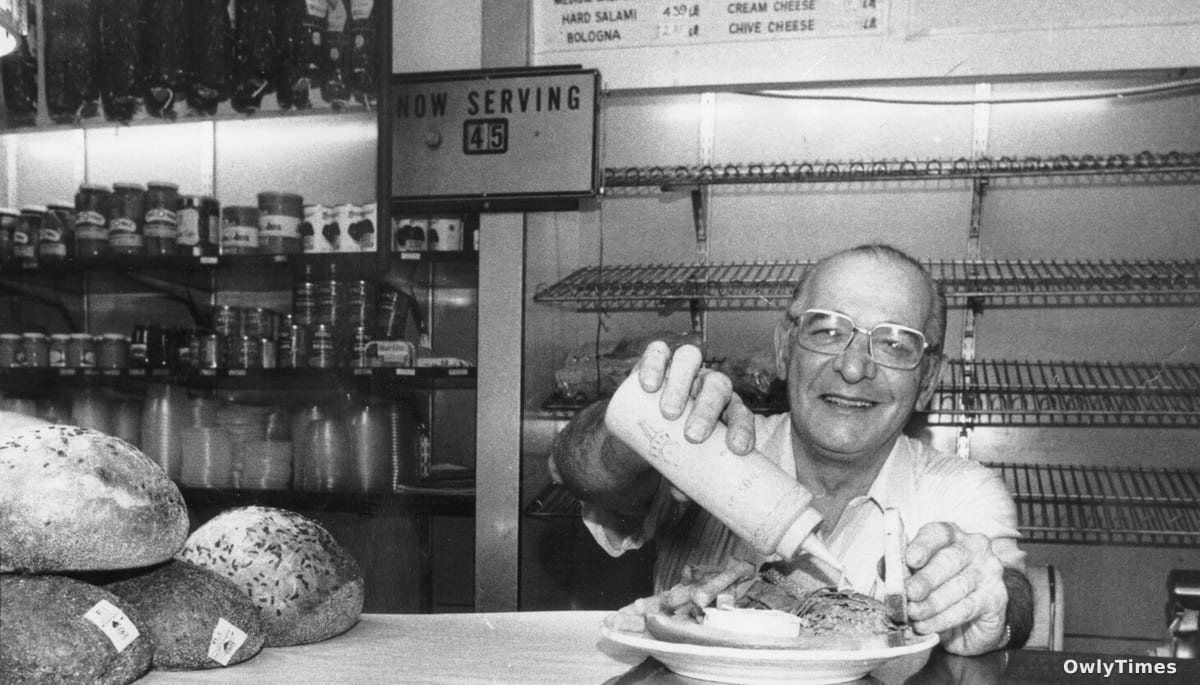
Follow the money behind the closure of neighborhood institutions, and you find a consistent trend: the replacement of personalized service with standardized efficiency. When Maria de la Rosa recalls the "epic seasonal sales" and the specific level of care provided by Marshall Field and Co. staff, she is describing a labor-intensive business model that became untenable in an era of thin margins. The transition from the high-touch service at the downtown State Street location to the modern e-commerce landscape represents a permanent shift in how capital is deployed in retail. While these businesses once served as community nodes—such as Meyer Deli for the German-American community in Lincoln Square—their disappearance has left a vacuum that current digital-first retailers struggle to fill.
Capitalizing on the "Hangout" Premium
The financial viability of legacy establishments like Ronny’s Original Chicago Steakhouse or Quenchers Saloon relied heavily on the "hangout premium." As Javi LM notes regarding Ronny’s, the location functioned as a downtown hub where "somebody you knew was always there." This social density acted as a low-cost customer acquisition engine. By contrast, current hospitality models require heavy spending on digital marketing and social media advertising to achieve similar levels of foot traffic. For investors, this shift highlights a critical tension: businesses that prioritize community cohesion often trade immediate profit margins for long-term customer loyalty and brand resilience.
Cultural Infrastructure vs. Real Estate Yield
The physical footprints of businesses like Rose Records on Wabash or Sabatino’s on Irving Park Road demonstrate how commercial real estate was once utilized to foster local identity. Angelo & Enzo Pagni, the owners of Sabatino’s, operated a model predicated on a "warm and friendly atmosphere," which created an intangible asset that no automated checkout system can replicate. While Montgomery Wards and its iconic Christmas catalog—a precursor to today’s Amazon dominance—eventually succumbed to broader market pressures, their legacy remains a case study in how to capture consumer attention before the era of Big Data.
What This Means for Your Wallet
The disappearance of these local staples signals a shift in the local consumer experience that is unlikely to reverse. As independent operators are squeezed by rising commercial rents and the consolidation of retail, the "personal touch" has become a luxury item rather than a standard expectation. For the individual investor or local business owner, the next reading of the Bureau of Labor Statistics retail trade employment data will indicate whether the trend toward high-volume, low-interaction commerce is reaching a point of market saturation. Until then, the primary takeaway is that the value of these closed businesses was not just in their inventory, but in their ability to anchor a local economy through shared social space.