
The bright lights of the Soiland Multipurpose Arena usually capture the adrenaline of a buzzer-beater or the finality of an NCAA playoff run. But on a Tuesday in February, the focus shifted from the scoreboard to the character of the man wearing the jersey. Camden Hyde, a junior men’s basketball captain at California Lutheran University, stood at center court to accept an honor that recognizes something far more durable than a box score: the Allstate NACDA Good Works Team (Winter) award.
While the modern era of collegiate sports is often defined by the frantic race for transfer portal dominance and the complex economics of the NIL landscape, Hyde represents a quieter, more intentional path. Presented by President John A. Nunes and Director of Athletics Howard Davis on Feb. 21, the accolade marks Hyde as one of only 60 student-athletes chosen annually across three sports seasons to be recognized for leadership in community service, academics, and athletics.
Redefining the Student-Athlete Brand
Hyde operates with a dual intensity that challenges the traditional silo between the locker room and the classroom. Maintaining a 3.95 GPA while anchoring a basketball team to two separate NCAA playoff appearances is a feat of time management, but his influence extends further into the campus fabric. He founded The Alternative, a student organization designed to offer a community-focused pivot from the standard college social scene. Through Bible studies and service projects, Hyde has positioned himself as a beacon of kindness, a reputation that has now culminated in a tangible endorsement deal from Allstate.
This NIL partnership is a significant signal of how the industry is pivoting. By tying compensation to service-oriented metrics rather than mere athletic output or social media reach, organizations like the National Association of Collegiate Directors of Athletics (NACDA) are attempting to incentivize the "scholar-athlete" archetype in an era that frequently threatens to erode it. It is a rare moment where a corporate entity explicitly monetizes altruism, effectively branding Hyde’s commitment to mentoring youth and feeding the homeless as a marketable asset.
Building a Culture of Legacy
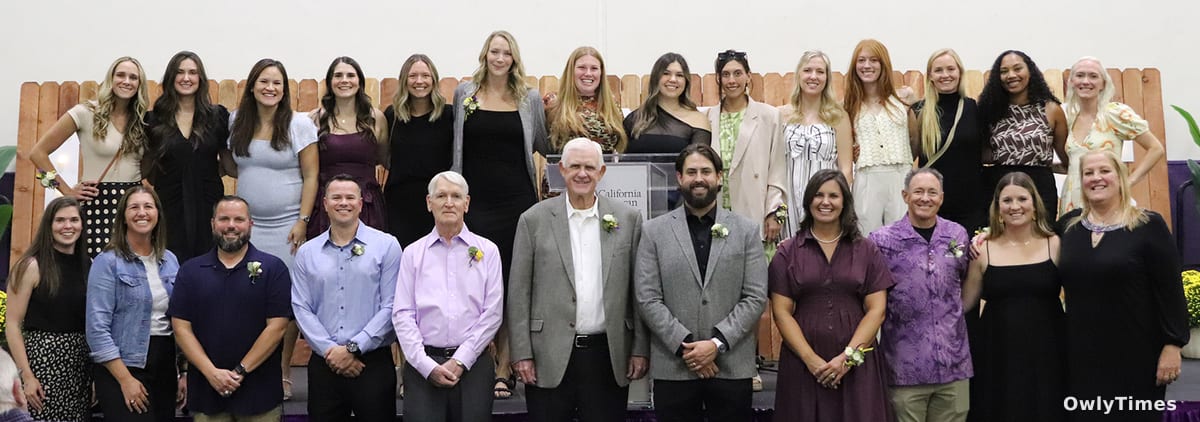
The emphasis on long-term character at Cal Lutheran is not an isolated experiment. During an Oct. 17 ceremony, the university inducted its Athletics Hall of Fame Class of 2025, honoring figures like Butch Eskridge, who looked back on a 50-year legacy of leadership that started with a 1975 NAIA Division II National Championship appearance. Master of ceremonies Brandy Yee noted that the program’s goal is to produce resilient, purpose-driven leaders whose impact lasts long after the final whistle.
This focus on storytelling is now shifting to the administrative side as well. The recent hiring of Faith Wayman as the new sports information director—effective Jan. 20—highlights the school's commitment to ensuring that the narratives of these student-athletes are documented with professional precision. Wayman, a former standout softball player and chaplain captain, brings a "student-athlete first" perspective to the communications office, aiming to bridge the gap between competitive performance and the personal stories that define these individuals.
The Measured Shift Toward Purpose
As the collegiate landscape continues to fluctuate under the weight of shifting regulations and commercial pressures, the success of individuals like Hyde and the institutional stability of programs like Cal Lutheran’s offer a distinct contrast. The industry is currently caught in a transition where athletes are increasingly viewed as independent contractors, yet the most enduring value remains the connection between the campus and the community. The next reading of the university’s recruitment and retention metrics for student-athletes will show whether this intentional focus on service-driven leadership acts as a competitive advantage in a crowded athletic market.