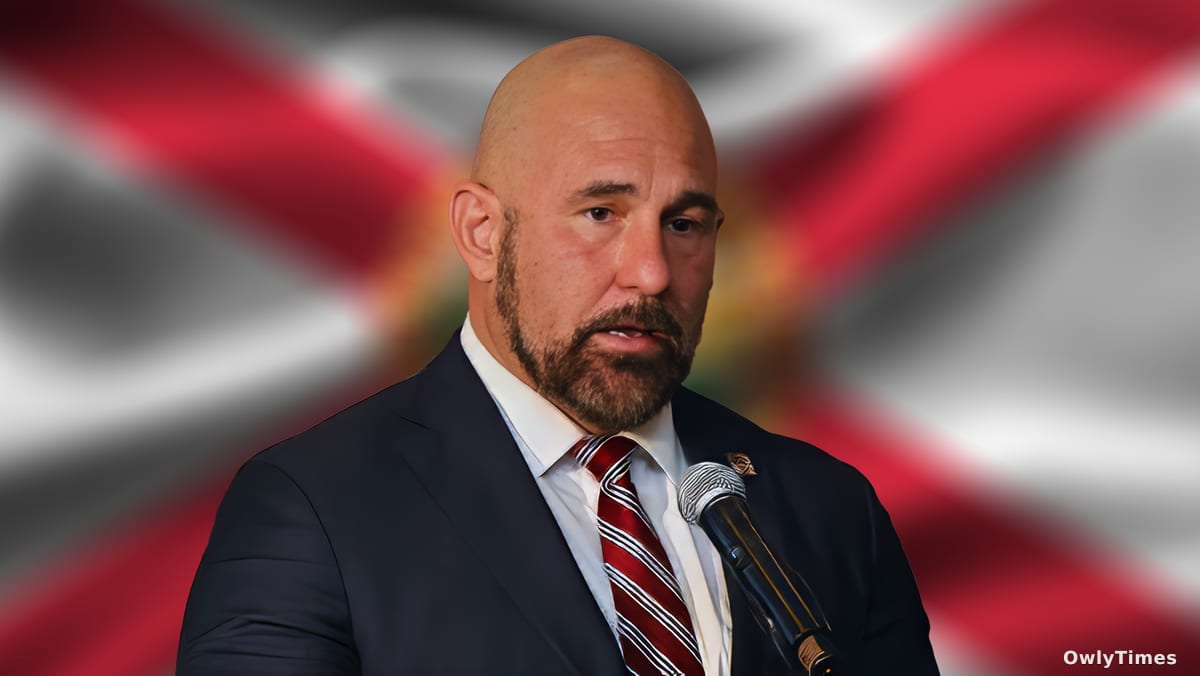

Is Florida’s gubernatorial race already decided before the first debate? The numbers certainly suggest a disturbing trend: money isn’t just talking, it’s effectively silencing the possibility of genuine competition. While the media focuses on potential endorsements from Donald Trump and Ron DeSantis, the real story here isn’t who gets a handshake from a former president – it’s the chokehold powerful lobbying groups have on the state’s political process, and how that’s actively shaping the field before voters even have a say.
The Fundraising Gap Signals a Pre-Determined Outcome
Byron Donalds, the Naples Republican, isn’t just fundraising; he’s building a fortress. $22.2 million in the first quarter of 2026, bringing his total to over $67 million – these aren’t numbers, they’re a warning. To put that in perspective, that’s roughly equivalent to the entire advertising budget of a major national product launch, and it’s being deployed to secure an office, not sell a product. The average winning gubernatorial campaign in Florida historically spends around $30-40 million total. Donalds has already surpassed that, and the primary hasn’t even happened. This isn’t about grassroots enthusiasm; it’s about concentrated financial power.
Reporting from Florida Politics informs this analysis.
Collins’ Candid Admission Reveals a Deeper Problem
Jay Collins, the current Lieutenant Governor appointed by DeSantis, isn’t mincing words. His recent podcast comments – anticipating a lackluster fundraising report – are a stunningly honest admission of the uphill battle he faces. “Fundraising’s tough,” he said, then delivered the crucial line: “The lobby corps is behind Byron Donalds. They don’t want the people to choose.” This isn’t conspiracy theory; it’s a candidate openly acknowledging that his access to capital is being deliberately restricted by those who benefit from the status quo. Think about that for a moment. A sitting Lieutenant Governor is admitting he’s being financially kneecapped by special interests. This isn’t a bug in the system; it’s a feature.
DeSantis’ Silence Speaks Volumes
The awkward dance around an endorsement from Ron DeSantis is particularly telling. He’s been repeatedly asked about supporting Collins, whom he previously lauded as the “Chuck Norris of Florida politics,” and consistently deflects. His non-answer – “I think everybody knows that when I’ve got something on my mind… people know” – is classic politician-speak for “I’m not going to commit.” But the silence isn’t neutral. It’s a tacit signal to donors that Donalds is the preferred candidate, further solidifying the existing financial advantage. DeSantis’s political calculus is clear: aligning with the candidate who already has the money is a safer bet than championing an underdog.
The Illusion of Choice and the Impact on Everyday Floridians
This isn’t just about Republican primary politics. It’s about the erosion of democratic principles. When campaigns are effectively bought and paid for, the issues that matter to ordinary Floridians – affordable housing, accessible healthcare, environmental protection – get drowned out by the concerns of wealthy donors. The lobby corps isn’t investing in Donalds out of the goodness of their hearts; they expect a return on their investment in the form of favorable legislation and regulatory decisions. The average homeowner facing skyrocketing insurance rates, the small business owner struggling with red tape, the parent worried about school funding – their voices are being systematically diminished. The $67 million isn’t just a number; it’s a barrier to entry for anyone who isn’t already part of the established power structure.
Here’s what to watch for: if Donalds continues to outpace Collins by a factor of three or more in subsequent fundraising reports, and DeSantis remains conspicuously silent, consider the primary effectively over. But more importantly, pay attention to who is donating to Donalds’ campaign. The names attached to those checks will tell you everything you need to know about who will truly be calling the shots in Tallahassee. The question isn’t who will win the election, but who already owns the next governor.





