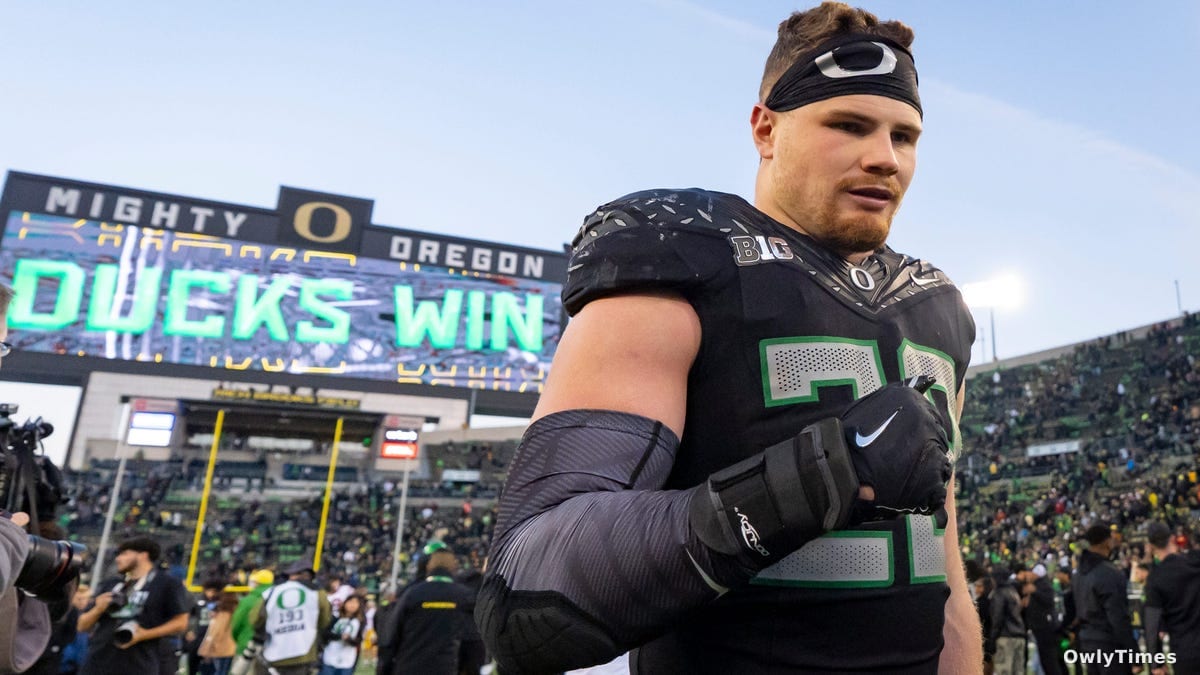

In the quiet, echoing hallways of Indianapolis, the conventional wisdom surrounding professional sports draft success is being dismantled by a 23-year-old with a glove in one hand and a playbook in the other. Bryce Boettcher stands at a crossroads that most athletes only dream of—having been selected in both the MLB and NFL drafts—yet his decision to commit fully to the gridiron speaks to a deeper, visceral preference for the controlled chaos of the linebacker position. While baseball was long positioned as his "easier" route to stardom, Boettcher’s choice reveals the enduring allure of physical, high-stakes competition over the calculated pace of the diamond.
From the Outfield to the Line of Scrimmage
The journey to his selection by the Colts with the 135th-overall pick in the fifth round of the NFL Draft was anything but linear. A standout as one of the 100 best dual-threat quarterbacks in his recruiting class, Boettcher originally faced a wall when attempting to play collegiate football. He opted to stay home and play for the Ducks' baseball team as a preferred walk-on, essentially shelving his football dreams. It wasn't until a serendipitous phone call from baseball coach Mark Wasikowski to first-year football coach Dan Lanning that the door cracked open, leading to an invitation to a summer workout program.
The transition required more than just desire; it required a physical transformation. Initially entering the program as a 205-pound safety, Boettcher had to "bulk up" to survive the rigors of the second level of a defense. The pivot from defensive back to linebacker in the fall of 2023 proved to be the turning point. By the time he concluded his college career, he had evolved into a defensive powerhouse, recording 136 tackles in his senior season—the most at the school in nearly half a century—marking him as a rare, instinctive talent in a modern game that increasingly demands versatility.
The Instinctive Edge of a Multi-Sport Athlete
Beyond the raw stats, Boettcher credits his time in center field for his elite reaction times on the football field. He draws a direct parallel between tracking a fly ball and reading a running back’s movement through a gap. In both scenarios, he argues, hesitation is the enemy of success. This "grind mentality," forged during two-a-day practices where he wasn't even sure if he would see the field, has become the bedrock of his professional identity.
His baseball credentials were no small feat either. As one of just five Ducks to be named to the ACBA/Rawlings collegiate Gold Glove Team, and having tied for eighth all-time in stolen bases with 27, he was clearly operating at an elite level. Yet, even when the Astros selected him in the 13th round, the pull of the gridiron remained stronger. He chose to return for a 2025 campaign that ultimately solidified his status as a premier NFL prospect, proving that his instincts for "inflicting pain—legally"—won out over the lure of the majors.
Navigating the Professional Landscape
Now, the reality of the NFL sets in. With general manager Chris Ballard having established second-round pick CJ Allen as the team’s MIKE linebacker of the future, Boettcher faces a competitive climb. He enters a training camp environment where he will likely square off against veteran free agent signing Akeem Davis-Gaither for a role on the second level.
For the industry, Boettcher represents a shift in how we value the "specialist" versus the "athlete." In an era where hyper-specialization often begins in childhood, his success suggests that the cross-pollination of skills—the hand-eye coordination of an outfielder mixed with the contact-seeking nature of a linebacker—creates a more resilient, adaptable player. The next reading of his development during summer training camp will indicate whether his transition from college standout to professional starter can survive the brutal efficiency of the NFL’s roster cuts. Boettcher has already beaten the odds by choosing his path; now, he must prove that path leads to the top of the league.

