
Beyond the Swirl: Cremmjoy’s Challenge to a 19th-Century Industry
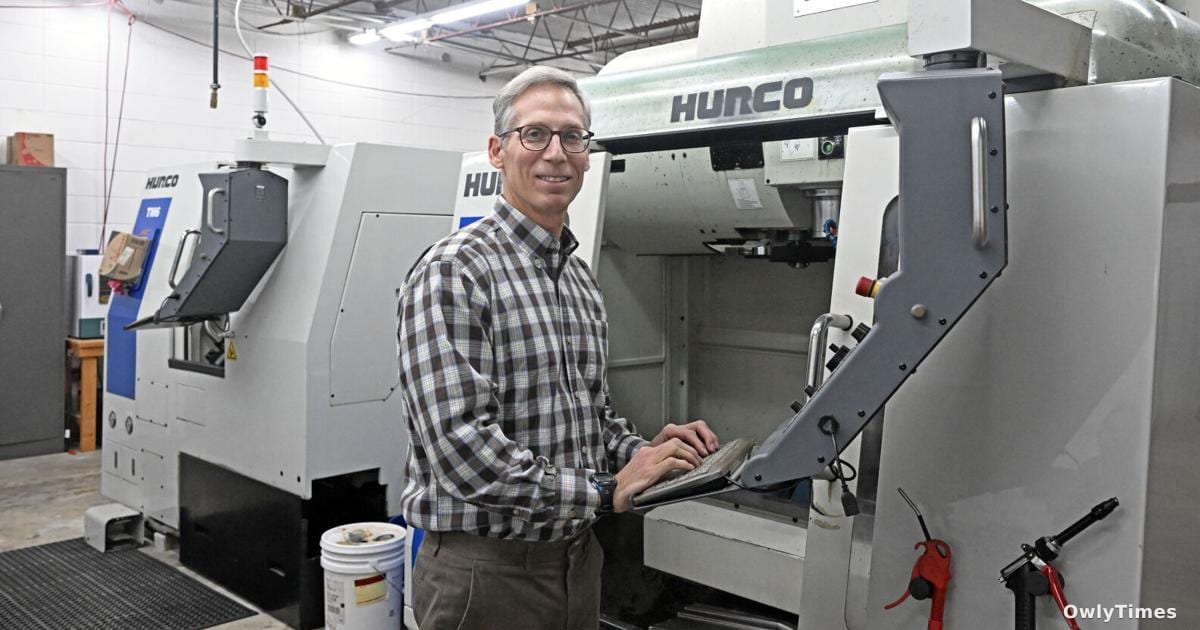
The image is deceptively simple: Jason Hugenroth, CEO of Cremmjoy, standing beside a milling machine in Baton Rouge, Louisiana. But this scene, captured on January 28, 2026, represents far more than just a company founder and his equipment. It signifies a potential upheaval in the $7.6 billion frozen dessert industry – a sector remarkably unchanged for nearly two centuries. Cremmjoy, having secured almost $3 million in funding, is poised to introduce a soft serve and slush machine that fundamentally alters the cleaning process, a notorious pain point for operators. This isn’t merely an incremental improvement; it’s a challenge to a deeply ingrained, and surprisingly complex, technological status quo.
Reporting from theadvocate.com informs this analysis.
Background & Context: The Sticky Problem of Soft Serve
The modern soft serve ice cream machine, while seemingly ubiquitous, is a descendant of designs originating in the early 19th century. These machines rely on a complex system of valves, cylinders, and hoppers to aerate and freeze the mix. The inherent problem? The mix touches everything. This necessitates rigorous, often daily, disassembly, cleaning, and sanitization – a labor-intensive and costly process. Dr. Hugenroth’s journey to address this began not with a grand vision for ice cream innovation, but with a frustrating observation stemming from his prior company, Inventherm, founded in 2006. While working on a countertop ice cream machine project in 2019, he noticed a deluge of online videos detailing the arduous cleaning procedures for commercial soft serve machines. “It looked like a very difficult process,” he noted, recognizing a significant unmet need. This realization, coupled with a $750,000 Small Business Innovation Research grant from the U.S. Department of Agriculture in 2022, provided the impetus for Cremmjoy’s development. What’s often overlooked is that this isn’t a new problem; it’s a persistent one that has resisted effective solutions for generations, largely due to the engineering complexities of maintaining consistent product quality while simplifying sanitation.
The Innovation: A Bag Within a Machine
Cremmjoy’s solution is elegantly simple in concept: contain the ice cream mix within a disposable plastic bag inside the machine. This eliminates contact between the mix and the machine’s internal components, rendering disassembly for cleaning obsolete. Hugenroth himself describes it as “a pretty radical departure from what's been done for ice cream in general for about 180 years.” The company’s fundraising success – driven by a “word-of-mouth” strategy and compelling demonstrations – underscores the industry’s eagerness for a solution. The significance here is that Cremmjoy isn’t just selling a machine; it’s selling time, labor savings, and potentially, improved hygiene standards. The company’s focus on a two-flavor machine initially suggests a strategic approach to market entry, targeting a sweet spot between functionality and cost-effectiveness. This contrasts with the often-complex, multi-flavor machines currently dominating the market.
What This Means: Ripple Effects Across the Industry
The implications of Cremmjoy’s technology extend far beyond the convenience of easier cleaning. For operators – from large chains like Dairy Queen and Yogurtland to smaller independent shops – reduced labor costs and downtime represent significant financial benefits. This could translate to lower prices for consumers or increased profitability for businesses. For equipment manufacturers, Cremmjoy represents both a threat and an opportunity. Established players may need to adapt their designs or consider acquiring the technology. The supply chain for disposable plastic bags will also see increased demand, potentially creating new economic opportunities. However, the reliance on disposable bags also raises environmental concerns, a tension Cremmjoy will need to address proactively. The potential for strategic partnerships is high, and Hugenroth’s emphasis on disrupting a “technologically stagnant industry” suggests a willingness to challenge established norms.
Looking Ahead: From Test Kitchens to Market Dominance?
Cremmjoy’s next crucial step is rigorous testing in test kitchens throughout 2026, with a target market launch in 2027. The success of this phase will hinge on demonstrating consistent product quality, reliability, and scalability. Key questions remain: Will the disposable bag system maintain the desired texture and consistency of soft serve? How will the cost of the bags impact overall operating expenses? And, crucially, how will Cremmjoy navigate the potential backlash from environmental groups concerned about plastic waste? The company’s long-term goal, as Hugenroth states, is “to disrupt the industry” and achieve “tremendous financial success.” Whether Cremmjoy can achieve this ambitious vision will depend not only on the ingenuity of its technology but also on its ability to navigate the complex dynamics of a deeply entrenched industry and address the evolving demands of a sustainability-conscious market. The coming years will reveal whether this Louisiana-based startup can truly rewrite the rules of the frozen dessert game.





