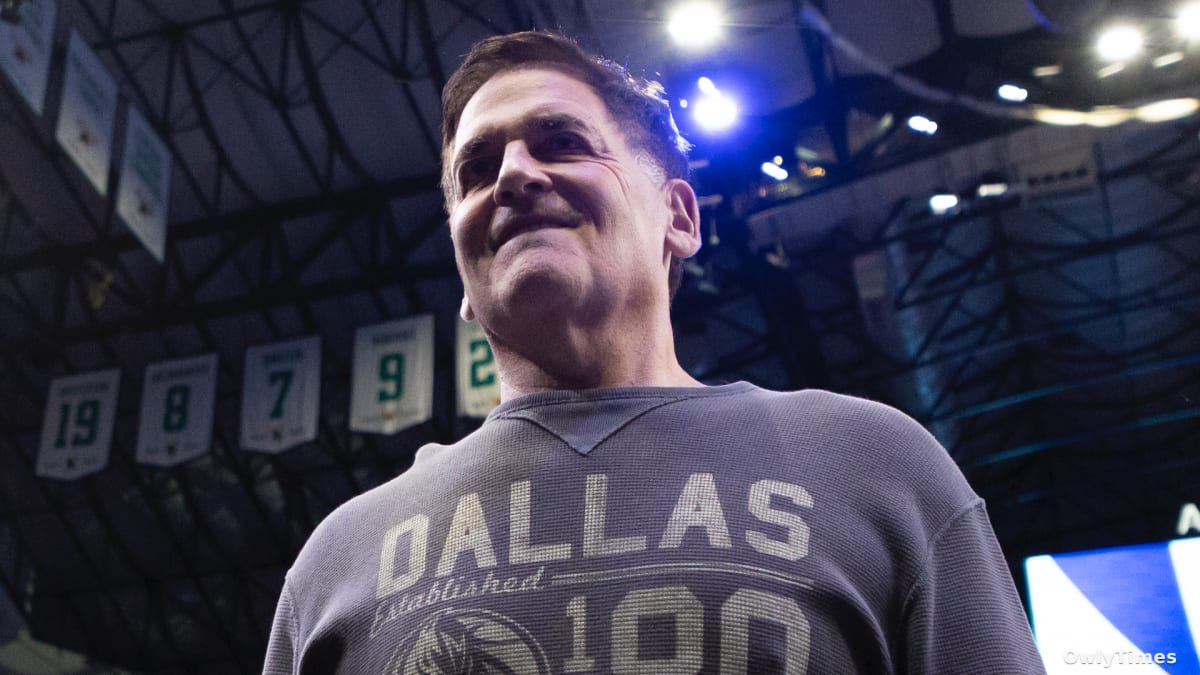

The scent of popcorn and desperation hung heavy in the air of the American Airlines Center last November. Not because of a particularly tense game – the Mavericks were, let’s be honest, not contenders – but because of the palpable sense that something was off. Fans weren’t booing bad shots, they were discussing lottery odds. They weren’t lamenting missed rebounds, they were calculating the Mavericks’ chances of landing the next Luka Dončić. It’s a feeling Mark Cuban, the team’s former majority owner, understands intimately, and one he’s now arguing the NBA should lean into. Just days after Adam Silver vowed to crack down on “tanking” with increased fines for the Indiana Pacers and Utah Jazz, Cuban dropped a social media bomb: the league is “misguided” and should “embrace” strategically losing to improve draft position. It’s a provocative stance, but one that cuts to the core of a growing tension within the NBA – and a broader cultural shift in how we consume sports.
Cuban’s argument isn’t about celebrating bad basketball. It’s about recognizing what fans actually value. He points to the memory-making power of shared experiences – a family outing, a first date – eclipsing the fleeting excitement of a single game’s outcome. “Few can remember the score from the last game they saw or went to,” he wrote. “What they remember is who they were with.” This isn’t some sentimental plea; it’s a shrewd observation about the economics of fandom. Cuban highlights the financial barriers to entry – the cost of tickets, jerseys, concessions – and suggests that a parent struggling to afford a family night at the game is far less concerned with a team’s win-loss record than with the hope of future success. In a year where the average NBA ticket price hovers around $125, a 20% increase from 2023, that hope becomes a crucial selling point. The league is pricing out its base while simultaneously policing a strategy that, for many fans, represents a path back to relevance.
The NBA’s crackdown feels particularly tone-deaf given its own history. The Mavericks themselves benefited immensely from a dismal 24-58 season in 2017-18, which landed them the No. 3 overall pick and, ultimately, Luka Dončić. Cuban readily admits to employing similar tactics during his tenure, acknowledging that tanking is “advantageous toward moving up in the draft, creating value with trades and extended cap room.” Adam Silver acknowledges the “conundrum” of distinguishing between genuinely bad teams and those manipulating performance, but the league’s response – fines of $750,000 for the Jazz and Pacers – feels like treating a symptom, not the disease. These fines represent less than 0.1% of the NBA’s $8.76 billion in revenue for the 2022-23 season, a slap on the wrist for franchises operating within a system that incentivizes losing. The league is attempting to project an image of competitive integrity while simultaneously benefiting from the increased viewership and media attention generated by star players and the pursuit of championships – a pursuit often fueled by the very draft picks obtained through tanking.
See the original CBS Sports story for the full account.
Silver’s most challenging year as commissioner isn’t just about tanking; it’s about a crisis of confidence. The Clippers’ ongoing arena saga, the league’s struggles with officiating controversies, and now, the perception of a rigged competitive landscape all contribute to a growing sense of unease. The league is grappling with a fundamental question: is it a meritocracy built on fair competition, or a carefully constructed entertainment product where outcomes are, to some extent, predetermined? The recent surge in teams with poor records – seven teams currently have 19 or fewer wins, compared to only three last season – suggests the latter is increasingly true. This isn’t necessarily a bad thing, but the league’s insistence on denying it feels disingenuous.
Cuban’s challenge to the NBA isn’t just about tanking; it’s about honesty. It’s about acknowledging the economic realities of fandom and prioritizing the fan experience over a manufactured narrative of competitive purity. The league needs to ask itself: what are they really selling? Is it the thrill of victory, or the hope of a brighter future? And, crucially, are they making that future accessible to everyone? The question now isn’t whether the NBA will eliminate tanking – that’s likely impossible. It’s whether they’ll acknowledge its role in the ecosystem and, more importantly, address the underlying issues of affordability and accessibility that drive fans to seek hope in the lottery, rather than in the present game. Will Silver double down on fines and rhetoric, or will he listen to a former owner who built a championship team by understanding what fans truly crave? The answer will define the NBA’s relationship with its audience for years to come.

