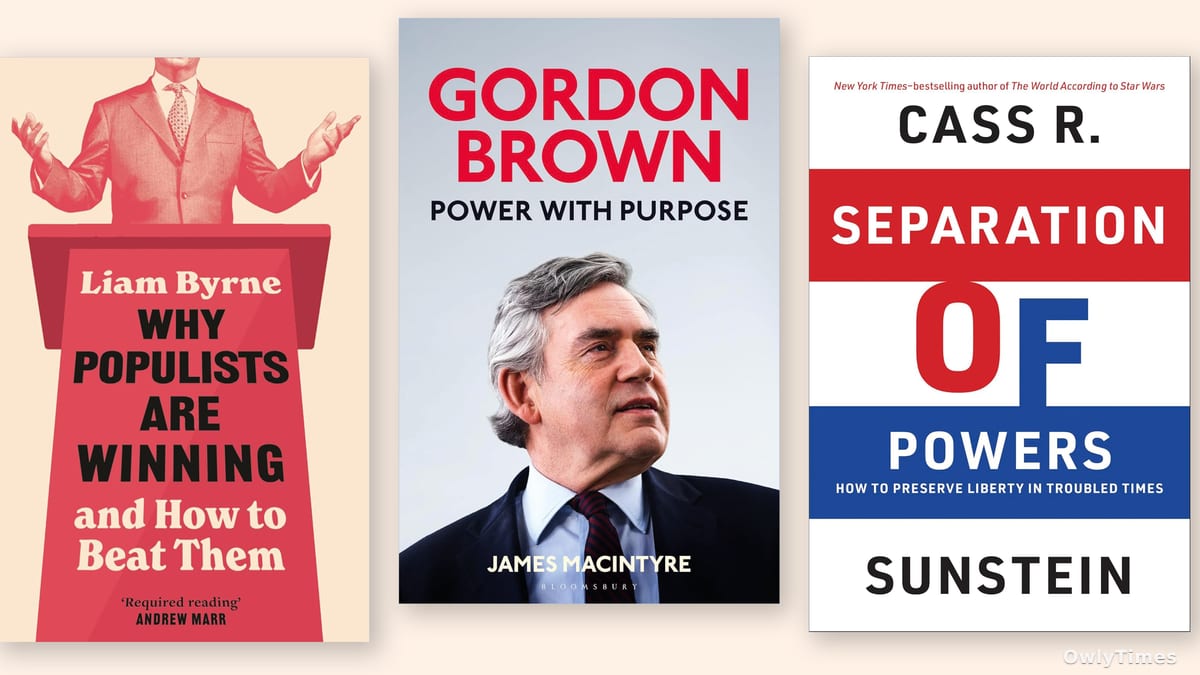

The current flurry of political theory – from proposals for citizen assemblies to reassessments of past Labour leaders – isn’t driven by intellectual curiosity, but by a cold strategic calculation: the perceived failure of established liberal democracy to deliver for a significant and growing portion of the electorate. Liam Byrne’s Why Populists Are Winning: and How to Beat Them (£18.99) isn’t a lament for lost ideals, it’s a post-mortem attempting to diagnose why “populists now lead one-quarter of the planet’s democracies,” as Byrne bluntly states. The book’s reception within the UK Labour Party is particularly telling; it’s not being debated as an academic exercise, but as a potential roadmap for regaining lost ground.
Byrne’s focus on the who of populist support – the actual demographics and motivations of voters – is a pointed critique of previous Labour strategies. This is a clear attempt to shift the internal debate away from ideological purity tests and towards a more granular understanding of the electorate. However, the book’s limitations – its dismissal of the populist left as merely a faction of “Remain bloc” voters and its reliance on previously unsuccessful policy prescriptions – reveal a deeper tension. Who benefits from this analysis? Primarily, the Labour establishment seeking to justify its existing trajectory while appearing to address the root causes of their electoral struggles. Who loses? Potentially, those advocating for a more radical departure from the status quo within the party.
The search for alternatives extends beyond simply understanding the opposition. Hélène Landemore’s Politics Without Politicians: The Case for Citizen Rule (£22/$29) represents a more fundamental questioning of the system itself, advocating for a return to “civic lotteries and people’s assemblies.” This isn’t a fringe idea; it’s a direct response to the perceived failings of professionalized politics, the sense that elected officials are out of touch and beholden to special interests. Landemore’s argument, however, rests on a selective reading of history. Her assertion that work from France’s Citizens’ Convention for Climate was “of a quality comparable to what could have come out of a parliament” ignores the practical limitations of such bodies and the historical reasons why direct democracy gave way to representative systems in the first place. The inherent value of professional politicians, as the author notes, lies in their dedicated time for political thought.
This debate echoes historical precedents. The rise of populism itself isn’t new; the late 19th and early 20th centuries saw similar movements fueled by economic anxieties and distrust of elites. The response then, as now, ranged from attempts to co-opt populist demands within the existing system to radical proposals for systemic change. The key difference today is the speed and scale of information dissemination, which amplifies both the appeal of populist narratives and the urgency of finding solutions. James Macintyre’s biography of Gordon Brown, Power with Purpose (£25), offers a contrasting perspective, highlighting the intellectual depth and policy rigor of a past Labour leader. The implicit comparison to Keir Starmer, presented as lacking Brown’s intellectual heft, is a deliberate attempt to raise the bar for current leadership. The anecdote about Starmer’s office requesting a simplified breakdown of Brown’s constitutional work – rather than engaging with the full report – speaks volumes about a perceived decline in intellectual ambition within the party.
Based on the original the Financial Times report.
Ultimately, the common thread running through these books is a recognition that the existing framework of liberal democracy is under strain. Cass R Sunstein’s Separation of Powers: How to Preserve Liberty in Troubled Times ($24.95) offers a foundational reminder of the principles that underpin a healthy democracy – the crucial “six separations” of power. Sunstein’s work isn’t about rewriting the rules, but about reinforcing the existing safeguards against tyranny and abuse of power. This is a crucial point often lost in the rush to embrace radical solutions. The political chess move to watch next isn’t whether Labour adopts Byrne’s policy prescriptions or embraces Landemore’s vision of citizen rule. It’s whether the party, and indeed other established political forces, will genuinely internalize Sunstein’s warning: that dismantling the existing structures of power, even with good intentions, risks creating a vacuum that could be filled by something far worse. The question is not simply how to beat populism, but whether the proposed solutions inadvertently pave the way for its further entrenchment.





