
The strategic calculus behind the Democratic Party’s current economic rhetoric is a high-stakes gamble on class-based mobilization, aimed at energizing a base that feels left behind by modern market outcomes. By leaning into pointed critiques of extreme wealth, figures like Alexandria Ocasio-Cortez, D-N.Y., are attempting to redefine the party’s identity, shifting it away from traditional incrementalism and toward a more aggressive, populist posture. However, this pivot creates a structural tension: the party relies on the financial participation of the very donor class that its rhetoric now seeks to vilify.
The Friction Between Rhetoric and Funding
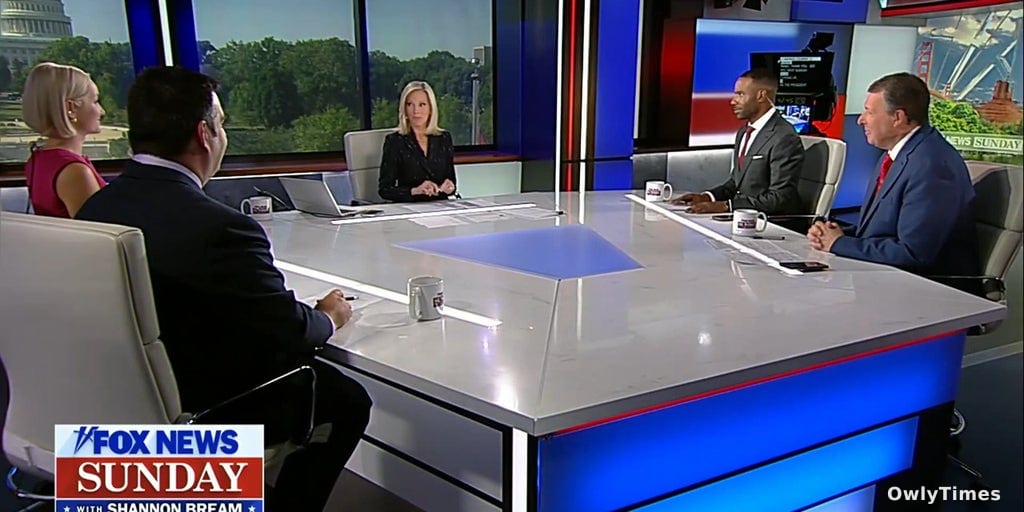
The debate featured on ‘Fox News Sunday’ highlights a fundamental contradiction within the modern Democratic coalition. On one hand, the party’s legislative wing is increasingly vocal about the mechanics of wealth accumulation, with Ocasio-Cortez framing the existence of billionaires as an inherently problematic byproduct of the current system. On the other hand, the party’s institutional machinery is heavily sustained by wealthy donors, many of whom hold fundamentally different views on capital and taxation. This leaves the party in a precarious position, attempting to court working-class voters through anti-billionaire messaging while maintaining the financial infrastructure necessary to compete in expensive national elections.
Navigating the Washington Post Critique
The pushback against this messaging has moved beyond partisan cable news, finding a home in mainstream editorial commentary. Specifically, the Washington Post has raised significant questions regarding the efficacy of this "envy-based" approach, suggesting that it may alienate the moderate voters who are often the decisive factor in swing-district elections. When political messaging relies on moral condemnation of wealth rather than systemic policy solutions, it risks turning off the professional-class voters who have recently migrated toward the Democratic ticket. The central question for strategists is whether this ideological shift toward democratic socialism serves as a genuine path to a broader majority or if it creates a ceiling that prevents the party from capturing the center.
The Socialism Label and Voter Perception
The recurring debate over the party’s trajectory toward socialism is more than a rhetorical exercise; it is an attempt to categorize the Democratic Party’s economic future. By challenging the traditional consensus on capitalism, the party is forcing a referendum on the nature of American economic success. If the messaging fails to resonate with the broader electorate, the party faces the risk of being defined by its loudest voices rather than its most pragmatic legislators. Historical precedent suggests that when parties lean too heavily into populist grievance, they often struggle to build the stable coalitions required to pass lasting legislation, as the focus shifts from policy implementation to performative conflict.
Watching the Donor-Voter Divide
The next reading of the party’s fundraising reports will show whether this shift toward aggressive wealth rhetoric has impacted the flow of capital from elite donors. If institutional donors begin to retreat, the party will be forced to choose between moderating its message to secure funding or doubling down on grassroots fundraising to compensate for the loss. How the party balances these competing interests—the demands of the donor class and the populist energy of its base—will define its viability in the upcoming election cycle. Watch for upcoming campaign finance disclosures, which will serve as the first concrete signal of whether the current economic messaging has created a tangible financial cost for the party’s leadership.





