
The tension in the arena was palpable as Kevin Durant stepped back onto the hardwood for Game 2, shaking off the rust of a knee injury that had sidelined him just days prior. Despite the 101-94 loss to the Lakers, Durant’s presence provided a glimpse of the individual brilliance required to turn a series around. In modern sports, the narrative of a superstar’s return is often weighed against the cold, hard reality of the betting markets, where every shot taken is converted into a data point for fans and analysts alike.
The Statistical Weight of a Superstar Return
Durant’s stat line—23 points, six rebounds, and four assists—was impressive enough, but it was his efficiency that caught the eye of those tracking the numbers. By knocking down 58.3% of his field goals in his return, he proved that his rhythm remains intact even under the pressure of a 0-2 series deficit. This performance brings him to a critical juncture for Friday’s matchup, where his over/under for total points is set at 23.5 at FanDuel Sportsbook.
The SportsLine Projection Model sees more upside for the veteran forward, projecting him to hit 27.6 points in the upcoming game. This expectation highlights the burden placed on franchise players to perform beyond their regular-season averages—where Durant posted 26.0 points per game—when the stakes of the 2026 NBA playoffs escalate. The model, which has returned over $10,000 in profit for $100 players over the past eight-plus seasons, suggests that the market may be underestimating the offensive load Durant will shoulder to keep Houston’s season alive.
Momentum and the Youth Movement
While Durant fights to stave off elimination, the spotlight is also shifting toward younger stars like Trail Blazers guard Scoot Henderson. Fresh off a 31-point explosion in a 106-103 victory over the Spurs, Henderson is proving that the transition from rookie to playoff contributor is accelerating. With an over/under set at 13.5 points for Friday, the SportsLine model remains bullish, projecting him to finish with 15.5 points as he continues to capitalize on the momentum of a series where he is currently averaging 24.5 points per game.
This productivity is symptomatic of a broader trend where individual player props have become as central to the fan experience as the game result itself. The model’s current 73% success rate on top-rated spread picks this season—a trend maintained as it entered the first full week of the playoffs—underscores how sophisticated simulations are quantifying the volatility of human performance. It is a world where a player’s last seven games, where Henderson scored at least 15 points in five, are treated as essential predictive variables.
Betting Culture and the Analytics Engine
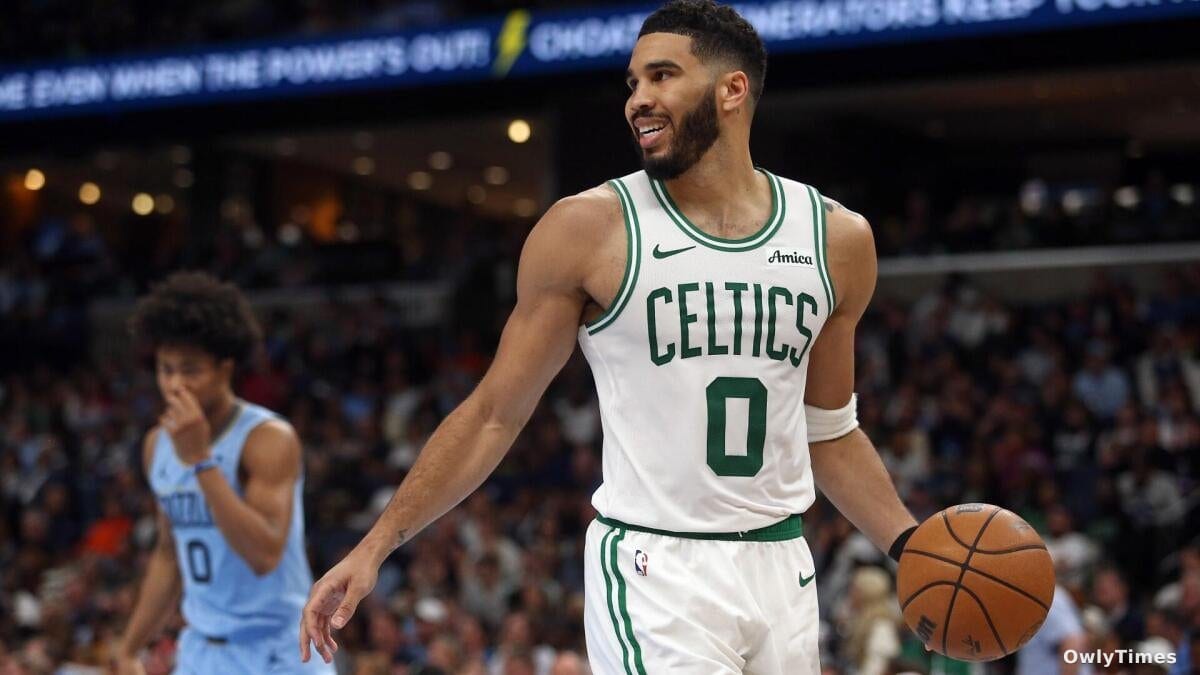
The integration of advanced projections into the viewing experience has fundamentally altered how we discuss player impact. When experts like Larry Hartstein highlight specific rebounding trends for Celtics star Jayson Tatum—who has already secured 25 rebounds through the first two games of his series—it shifts the focus from team narrative to individual capability. Tatum’s current over/under of 10.5 rebounds reflects a high-water mark for a player who has consistently dominated the glass against opponents like Philly.
Ultimately, this intersection of high-stakes competition and granular data analysis defines the modern NBA landscape. As fans await the next tip-off, the reliance on models that simulate every game 10,000 times shows how deeply analytics have embedded themselves into the drama of the sport. Whether it is Durant looking to force a Game 3 resurgence or Henderson riding his recent scoring streak, the next reading of these player prop totals will indicate whether these individual surges can successfully alter the trajectory of their respective series.

