
The chipped Formica of the diner booth felt cold under my elbows as I watched the local high school football game flicker on the muted TV above the counter. It wasn’t the game itself, but the conversation swirling around me that caught my attention. Old Man Hemlock, a season ticket holder for fifty years, was lamenting the fact his grandson wouldn’t be able to watch the star quarterback play in college – not without a patchwork of streaming subscriptions that would cost more than Hemlock’s monthly social security check. This wasn’t just about football; it was about a fracturing of a shared American experience, and now, the Federal Communications Commission is asking if something needs to be done about it.
The Unbundling of the American Pastime
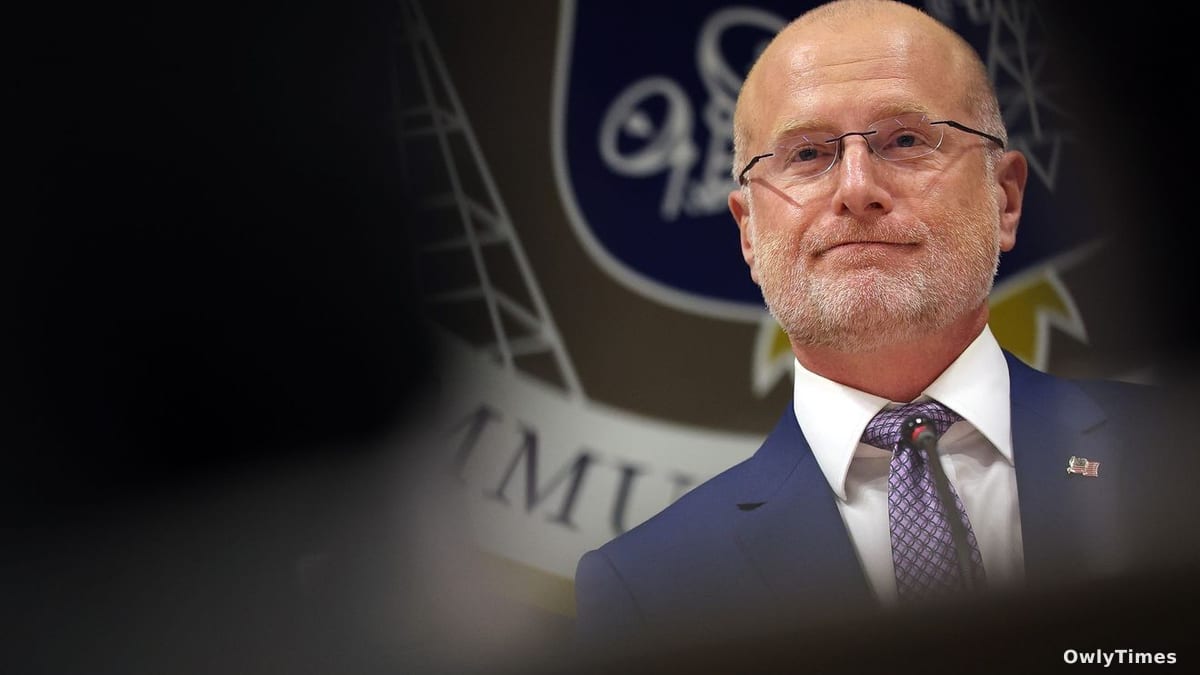
On Wednesday, FCC Chairman Brendan Carr fired off a series of tweets, a modern-day town square announcement, signaling the agency’s intent to scrutinize the exploding costs of sports streaming. “For decades, Americans enjoyed turning on their TV & quickly finding the game they wanted to see,” Carr wrote, a sentiment that resonates with a generation who remembers a simpler time. But that time is gone. The FCC’s public notice, released alongside the tweets, isn’t just a bureaucratic formality; it’s an admission that the current system is failing a significant portion of the population. The notice explicitly asks whether these streaming services are damaging the way sports are broadcast, and if they are creating barriers to access for fans. This isn’t about nostalgia for the “good old days,” it’s about recognizing that the cost of fandom is rapidly becoming prohibitive.
The problem isn’t simply that streaming exists, but how it exists. The sports media landscape has undergone a radical transformation in the last decade. Leagues like the NFL, college conferences, and networks like ESPN have aggressively pursued streaming rights, fragmenting content across platforms like ESPN+, Peacock, Apple TV+, and YouTube TV. A recent report by Deloitte estimates that the average sports fan now spends over $60 per month on streaming services just to follow their favorite teams – a 40% increase from 2019. This figure doesn’t include the cost of traditional cable or satellite subscriptions, which many still maintain for access to other programming. The FCC is rightly questioning whether this “fragmented ecosystem,” as their notice calls it, is sustainable, or even equitable.
Drawn from komonews.com.
Beyond the Headlines: Local Broadcast's Fight for Survival
While much of the conversation focuses on the national implications – the rising cost of NFL games, the exclusivity of NBA League Pass – the FCC’s inquiry also zeroes in on a critical, often overlooked aspect: the impact on local broadcast television. The notice specifically asks if local stations are facing challenges in airing local sports programming, like high school games, due to the financial pressures created by the streaming wars. This is a crucial point. Local broadcast stations have historically served as community hubs, providing not just entertainment but also vital local news and emergency information. Their ability to broadcast local sports events is intrinsically linked to their financial health. If streaming services siphon away advertising revenue and viewership, local stations could be forced to cut back on local programming, further eroding the fabric of community life.
The FCC’s concern isn’t just theoretical. In 2022, local television advertising revenue totaled $20.8 billion, a slight decrease from $21.3 billion in 2021, according to Statista. While not a catastrophic drop, it signals a trend. The agency is asking pointed questions about whether the current system is creating an uneven playing field, favoring national streaming giants over local broadcasters. They’re also probing whether the exclusive deals struck between leagues and streaming services are hindering the ability of local stations to secure rights to broadcast games of local interest.
The Legal Tightrope and Potential Interventions
The FCC’s authority in this area is complex. The agency’s mandate primarily revolves around ensuring competition and protecting the public interest in the broadcast spectrum. Directly regulating streaming services, which don’t rely on the public airwaves, is legally challenging. However, the FCC could potentially leverage its existing authority over broadcast licenses to influence the behavior of sports leagues and networks. For example, the agency could impose conditions on license renewals, requiring broadcasters to make certain games available over-the-air. They could also explore antitrust arguments, alleging that exclusive streaming deals stifle competition.
Brendan Carr and the FCC are walking a tightrope. Any intervention risks being seen as government overreach, potentially stifling innovation and investment in the sports media industry. But inaction risks further exacerbating the problem of affordability and accessibility, turning live sports into a luxury good reserved for the wealthy. The agency’s request for comment is a crucial first step, but it’s unlikely to be the last. The FCC is inviting input from all stakeholders – sports leagues, networks, streaming services, consumer advocacy groups, and the public – in an attempt to understand the full scope of the problem and identify potential solutions.
What happens next will determine whether the future of sports viewing is one of inclusivity and shared experience, or one of escalating costs and fragmented access. Will the FCC find a way to balance the interests of broadcasters, streamers, and fans? Or will the chipped Formica diner booths become the last bastion of affordable, communal sports viewing? That’s the question everyone in the industry – and every fan – should be watching for.

