
Is the future of big-time college sports really about billionaires writing checks while the rest of us watch the game? The record-breaking $15 million donation from Geoff and Tonya Foster to North Carolina A&T State University athletics certainly feels that way, and it’s a stark illustration of where we are heading. The real story here isn't just a generous gift – it’s a desperate attempt to level a playing field that’s tilting further and further away from equitable competition.
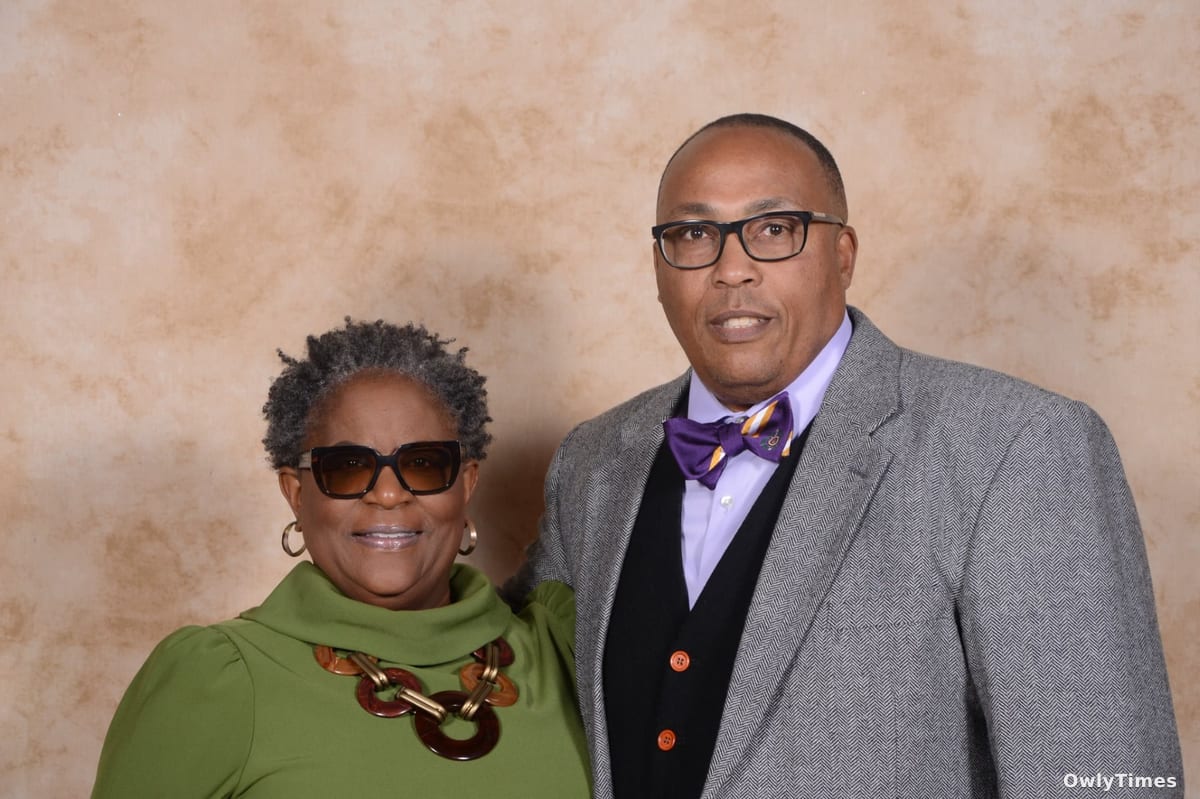
On March 12, 2026, the Fosters, founders of Greensboro-based Core Technology Molding Corp., announced the largest single donation in the history of North Carolina A&T Athletics. The gift, earmarked for naming the university’s football field and adjacent wellness center, isn’t simply about vanity; it’s a strategic investment in a university that has demonstrably fueled their success. Geoff Foster himself, a 1990 and 1996 A&T alumnus and former football player, openly credits the university with providing the foundation for both his personal and professional life. His son, Jeremiah Foster, also an A&T graduate and now a business development manager at Core Technology, further solidifies that connection. This isn’t philanthropy divorced from self-interest; it’s a calculated move by a successful businessman who understands the value of a strong talent pipeline.
Original reporting: ncat.edu.
Core Technology, boasting a 100,000-square-foot campus, actively recruits from A&T, recognizing the STEM skills honed within its programs. Geoff Foster’s repeated acknowledgement of this relationship isn’t just good PR; it’s a testament to the university’s ability to produce qualified employees in a highly competitive advanced manufacturing sector. The donation, therefore, can be viewed as a long-term investment in Core Technology’s own future, ensuring a continued flow of skilled labor. But the context is crucial: while the Fosters’ generosity is commendable, it’s a band-aid on a much larger wound.
Historically Black Colleges and Universities (HBCUs) like North Carolina A&T have long faced systemic underfunding. The current landscape, dominated by the Power Four conferences and fueled by lucrative media deals and the new era of Name, Image, and Likeness (NIL) rights, is exacerbating this disparity. In 2025, the gap between the revenue generated by the SEC and Big Ten versus the MEAC (where A&T competes) was estimated to be over $80 million per school. That’s not a difference in strategy; it’s a difference in resources that fundamentally alters the competitive landscape. Chancellor James R. Martin II rightly points to the gift as a “transformative” statement, but transformation requires more than one check, no matter how large. Campaign chair Willie A. Deese’s optimism about inspiring further donations is welcome, but relying on individual generosity to bridge a systemic funding gap feels… optimistic, to say the least.
The Fosters’ gift allows A&T to “thrive, not just survive,” as Geoff Foster put it. But survival is becoming increasingly expensive. The cost of maintaining competitive athletic facilities, attracting top recruits (who now demand NIL compensation), and providing adequate support services is skyrocketing. A&T supports 17 intercollegiate teams, and keeping them all afloat requires a constant influx of capital. This isn’t about building a better football team; it’s about preserving access to athletic opportunities for a diverse student body and maintaining a vital part of the university’s identity.
Looking ahead, watch closely to see if the Fosters’ donation triggers a broader shift in alumni giving at HBCUs. Will other successful graduates recognize the urgency of the situation and step up to the plate? More importantly, will the NCAA and major conferences address the fundamental inequities that are driving this reliance on private philanthropy? The question isn’t whether North Carolina A&T can build a winning football program with a new field; it’s whether the entire HBCU athletic system can survive in a world where winning increasingly requires a billionaire benefactor.

