
4,103. That’s the number of new food and beverage businesses that opened in Singapore in 2025, defying a backdrop of 3,074 F&B closures – a net loss, but a powerful signal of shifting economic currents. While headlines focus on global tech layoffs and corporate restructuring, a quieter revolution is brewing in Singapore’s hawker centers and shophouses: a mass exodus to self-employment, specifically within the notoriously demanding food industry. This isn’t simply a lifestyle choice; it’s a calculated, if risky, bet on personal agency fueled by a generation reassessing the traditional career path. Follow the money, and you’ll find a complex interplay of factors – rising cost of living, stagnant wage growth in white-collar jobs, and a uniquely Singaporean cultural reverence for food – driving this trend.
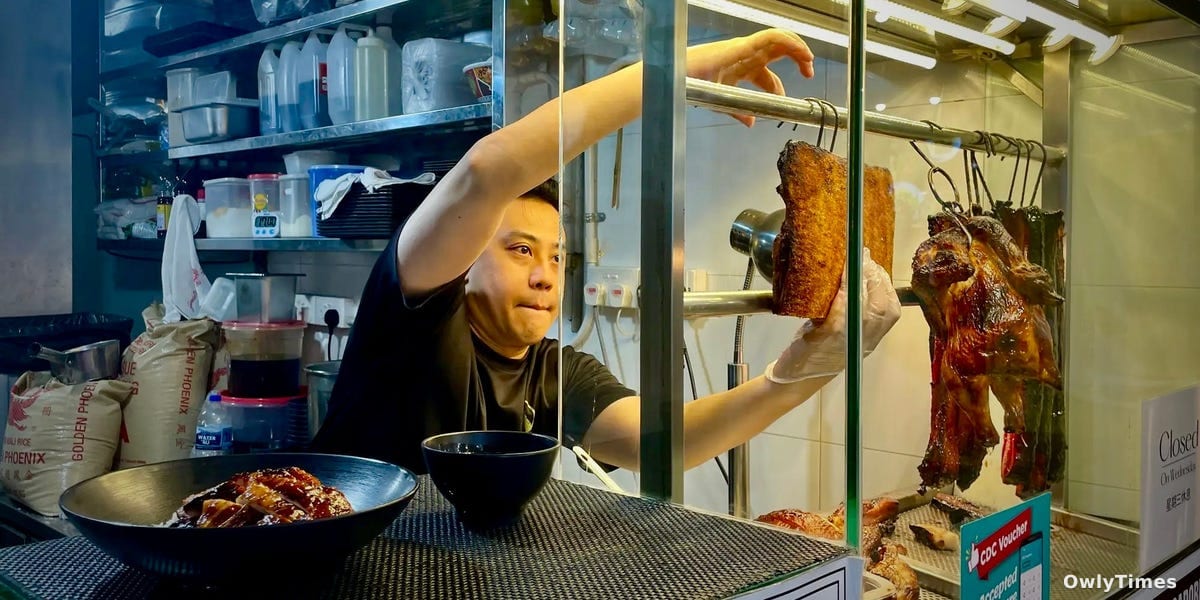
The traditional image of a Singaporean hawker is undergoing a rapid transformation. For decades, these stalls, operating within the country’s 123 government-managed hawker centers, were the domain of older generations preserving family recipes. The National Environment Agency oversees these centers, ensuring affordable access to local cuisine. But the landscape is changing. Ernest Ang, a 24-year-old who launched a restaurant featuring his grandmother’s recipes, embodies this shift. He’s part of a growing cohort of Gen Z and millennial entrepreneurs injecting innovation – matcha lattes, craft beer, fusion dishes – into a traditionally conservative sector. This isn’t merely about culinary creativity; it’s about recognizing an opportunity where established players are aging out and consumer preferences are evolving.
See the original Business Insider story for the full account.
The sheer volume of new entrants, despite the high failure rate, reveals a fundamental disconnect between the perceived security of corporate employment and the realities of Singapore’s economic structure. While Singapore boasts a highly developed economy, wage growth for young professionals has lagged behind the rising cost of living, particularly housing. A 2024 report by the Ministry of Manpower showed median monthly wages for graduates under 30 increased by only 3.8% year-over-year, while property prices continued their upward trajectory. This creates a powerful incentive to bypass the traditional employment model and build equity through a small business, even if it means sacrificing work-life balance. Au Hui Her, a millennial bakery owner, exemplifies this commitment, starting her bread preparation at 4 a.m. daily.
However, the romanticism of entrepreneurial freedom clashes with harsh economic realities. The 2025 closure rate of 3,074 F&B businesses – representing a 12% decline from the 3,500 closures in 2024, but still a substantial number – underscores the inherent risks. Rising rental costs, particularly for prime locations, and a notoriously price-sensitive consumer base create a challenging operating environment. The success of these new ventures isn’t guaranteed, and the long hours – six to seven days a week is the norm, according to interviews with eight young F&B owners – demand a level of dedication that few are willing to sustain long-term. This creates a tension: are these entrepreneurs building sustainable businesses, or are they simply accepting a different form of precarity?
The data suggests a nuanced answer. While the failure rate is high, the continued influx of new businesses indicates a belief in the long-term viability of the F&B sector, coupled with a willingness to adapt. These young entrepreneurs aren’t simply replicating traditional hawker fare; they’re innovating, leveraging social media marketing, and focusing on niche markets. This represents a crucial evolution for Singapore’s food culture, ensuring its continued relevance in a rapidly changing world. The willingness to endure “20-hour kitchen days,” as described in the original reporting, isn’t simply about passion; it’s about a calculated risk assessment where the potential rewards – financial independence and creative control – outweigh the considerable sacrifices.
What this means for your wallet: expect continued innovation and potentially higher prices at your favorite hawker stalls. The rise of specialty F&B businesses will likely drive up overall costs, but also offer consumers more diverse and higher-quality options. The key question for investors and consumers alike is whether this new generation of hawkers can navigate the economic headwinds and build truly sustainable businesses, or if this is simply a temporary surge of entrepreneurial energy destined to burn out. Watch closely for changes in rental regulations for hawker stalls and government support programs aimed at assisting young F&B entrepreneurs – these will be the critical indicators of whether this trend is a fleeting moment or a fundamental shift in Singapore’s economic landscape.