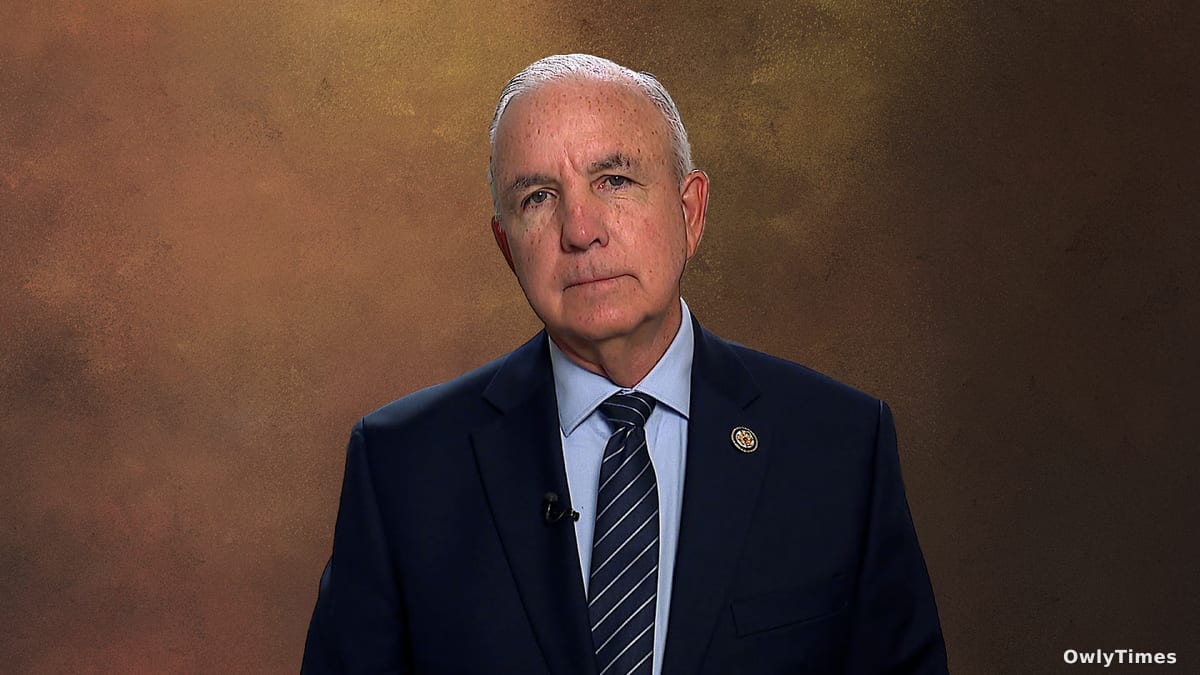

The narrowing lead of Carlos Giménez in Florida’s 28th Congressional District isn’t simply about a strong challenger in Hector Mujica; it’s a strategic warning flare for the Republican party. The latest polling data from EDGE Communications and MDW Communications reveals a vulnerability stemming from the convergence of unpopular national policies – a floundering Venezuela strategy, escalating economic anxieties, and deeply divisive immigration enforcement – all amplified by a declining approval rating for Donald Trump. This isn’t a localized phenomenon; it’s a symptom of a broader disconnect between Republican policy and the concerns of key independent voters, particularly in rapidly shifting South Florida.
The NPA Shift and Trump’s Drag
The poll of 514 likely voters in CD 28, conducted in early March before the recent surge in gas prices following the Iran conflict, already showed Giménez leading potential challenger Mujica by only 6 percentage points (46% to 40%). Crucially, that gap all but disappears – shrinking to 4 points – when voters are presented with a generic ballot, devoid of candidate names. This suggests name recognition is currently propping up Giménez, not enthusiastic support for his platform. The real story lies with No Party Affiliation (NPA) voters, who favor Mujica by 5 points (39% to 34%). This demographic, increasingly decisive in Florida elections, is demonstrably souring on both Giménez and Trump, registering net unfavorable ratings of -9 and -10 respectively. To put that in context, national approval for Trump is fractured, ranging from a high of 43% (Harvard) to a low of 33% (University of Massachusetts Amherst) – a significant drop from previous cycles. The fact that these negative ratings are mirrored in a traditionally Republican-leaning district is a critical indicator.
Source material: Florida Politics.
Venezuela, ICE, and the Affordability Crisis
The specific policies driving this discontent are revealing. The Trump administration’s handling of Venezuela, specifically allowing Delcy Rodríguez to maintain power, is deeply unpopular, with a net -37 favorability among NPA voters. This isn’t abstract foreign policy; it directly resonates with the large Venezuelan-American population in CD 28. Equally damaging are policies related to Immigration and Customs Enforcement (ICE). While 48% of all voters approve of the administration’s strategy, that number plummets to 39% among NPAs, resulting in a -19 net favorability. The timing is crucial: these numbers were collected before the latest round of ICE raids and deportations, which are likely exacerbating these negative perceptions. Overlaying all of this is the escalating cost of living, identified as the top issue by respondents. The recent spike in gas prices, triggered by the Iran conflict, will undoubtedly amplify these anxieties and further erode support for incumbents tied to Washington.
A Historical Echo of Policy Backlash
This dynamic echoes historical precedents where unpopular foreign entanglements and domestic economic policies have fueled electoral shifts. Consider the backlash against the Vietnam War and its impact on the 1972 election, or the economic anxieties that contributed to the rise of populist movements in the 1930s. In both cases, voters prioritized their immediate concerns – peace and economic security – over party loyalty. The current situation in CD 28 suggests a similar pattern is unfolding. Christian Ulvert, founder of EDGE Communications, correctly identifies the path to victory for Mujica as running “through independent voters, who are already breaking away from Republicans and looking for a credible alternative focused on affordability and accountability.” This isn’t simply about finding a candidate; it’s about tapping into a pre-existing current of discontent.
Beyond the Poll: The Mujica Factor and the Next Move
While the poll suggests a competitive race, it’s important to note that Hector Mujica has not yet formally announced his candidacy. Currently, retired Navy pilot Phil Ehr, who unsuccessfully challenged Giménez in 2024, is the only declared Democratic candidate. Mujica’s potential entry significantly alters the calculus, bringing a Venezuelan-American perspective and a background as a former Google executive – attributes that could resonate strongly with NPA voters. The question now isn’t if Mujica will run, but when and how effectively he can capitalize on the vulnerabilities exposed by this poll. The political chess move to watch next is Mujica’s official announcement and, more importantly, his initial messaging. Will he focus relentlessly on affordability and corruption, as the poll data suggests, or will he attempt to broaden his appeal? The answer will determine whether CD 28 is truly ripe for an upset.





