
The strategic calculus behind the Green Party’s recent electoral surge is not merely a collection of local successes, but a deliberate attempt to redefine the British political binary. By framing the current landscape as a contest between the Greens and Reform UK, party leadership is moving to capitalize on a vacuum left by a cooling relationship between the electorate and traditional power brokers. This shift suggests that the Green Party of England and Wales is no longer content with being a protest movement; they are positioning themselves as the primary institutional beneficiary of a fractured two-party system.
Redefining the Political Map
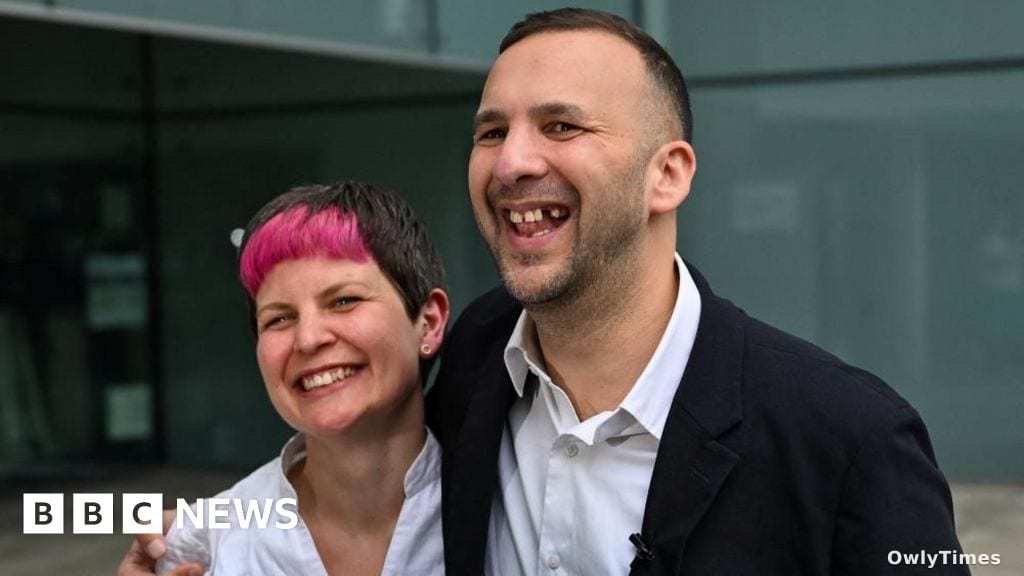
The Green Party leader Zack Polanski declared that two-party politics is "dead and buried" following a series of electoral gains that saw the party capture control of Norwich, Hastings, and the London borough of Waltham Forest. Beyond these council gains, the party secured its first-ever elected mayors, with Zoë Garbett winning in Hackney and Liam Shrivastava taking the mayoralty in Lewisham. These victories serve as a proof-of-concept for the party’s strategy to consolidate local authority as a launchpad for national influence.
The primary beneficiaries here are the Greens, who have transformed localized disillusionment with Labour into a structural increase in vote share. Conversely, Labour and the Conservative Party are the clear losers, both currently polling at 17% in projected national vote shares. This data, analyzed by polling expert Sir John Curtice based on results from more than 1,000 wards, highlights a stark reality: the traditional duopoly is struggling to maintain a combined majority of public sentiment.
Measuring the Shift in Voter Sentiment
While Polanski attributes the success to both a rejection of the current government and genuine excitement for a Green alternative, the numbers suggest a more complex dynamic. Green Party deputy leader Rachel Millward noted that the party has seen a "massive increase" in vote share almost everywhere they stood, with specific breakthroughs in Manchester, Sheffield, Leeds, Oxford, and Exeter exceeding initial expectations. This geographic spread indicates that the party is successfully pivoting from a niche urban interest group to a broader electoral force.
The historical precedent for such a realignment is often found in periods where established parties fail to address core economic or social anxieties. Much like previous cycles of political upheaval, the current data—which places the Greens at 18% nationally, ahead of both Labour and the Tories—suggests that the electorate is actively seeking an alternative framework. When Sir John Curtice characterizes this as the "best-ever performance" for the Greens, he is identifying a shift that moves beyond the typical volatility of mid-term local contests.
The Next Electoral Threshold
Polanski’s assertion that Prime Minister Sir Keir Starmer "needs to go" reflects a broader strategic pivot to position the Greens as the definitive opposition force. By framing the future of British politics as a head-to-head between the Green Party and Reform UK—which leads the projected national share at 26%—the Greens are attempting to cement a new narrative before the next major electoral test.
The trajectory of this movement will be clarified by the next reading of national polling data, which will reveal whether these local successes translate into sustained momentum or if they remain isolated instances of voter volatility. As the parties continue to battle for the 16% share held by the Liberal Democrats, the durability of this "new politics" will depend on whether the Greens can maintain their upward trend in areas where they have yet to establish a municipal foothold.





