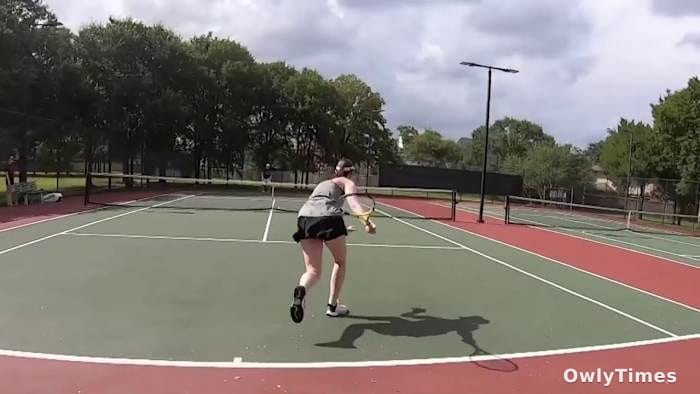

The sidewalk in Houston is buzzing with the rhythmic thwack of pickleball paddles and the heavy, determined breathing of joggers reclaiming the pavement. It takes exactly one unseasonably warm weekend to transform the city’s parks from quiet patches of green into high-stakes arenas of amateur athleticism. But there is a hidden toll to this sudden collective burst of energy, one that frequently lands well-meaning enthusiasts in a clinical setting rather than on the leaderboard.
According to the KPRC 2 report, the transition from sedentary winters to high-impact spring activity is a recipe for physical disaster if approached with too much zeal. Orthopedic specialists are warning that the "all-in" mentality is a primary driver of injuries that can keep athletes sidelined for weeks. The cultural urge to "make up for lost time" often ignores the biological reality that ligaments and muscles require a ramp-up period to handle the sudden stresses of lateral movement or long-distance running.
The Cost of the "Weekend Warrior" Mindset
The modern obsession with optimizing our leisure time often leads us to treat casual sports like high-intensity professional training. Experts suggest a more modest approach: beginning at approximately 50 percent of what you believe your body can handle. By incrementally building intensity over a period of four to six weeks, you allow your musculoskeletal system to adapt to the load, rather than forcing it to fail under the pressure of a sudden, strenuous basketball game or a marathon session on the pickleball court.
Beyond simply adjusting the intensity, the way we prepare our bodies is currently failing to keep pace with the demands of these sports. Dr. Drew Burdi, a Podiatric Surgeon, emphasizes that daily mobility work is essential to lowering overall injury risk. Rather than relying solely on sporadic stretching, incorporating foot and toe mobility drills or eccentric heel raises can fortify the body against the repetitive impact of outdoor exercise. These habits create a physical buffer, ensuring that the joints remain resilient even when the competitive spirit takes over.
Why Stretching Requires More Than a Quick Tug
There is a pervasive myth that a ten-second stretch before a workout is enough to signal the body that it is time to move. In reality, the efficacy of preventative care is tied directly to time and focus. Doctors recommend that stretches, particularly those targeting the calves and the Achilles tendon, must be held for at least 30 seconds to a minute to achieve any meaningful result. This isn't just about flexibility; it is about the physiological preparation of the connective tissues for the demands of the sport.
The equipment we choose to wear also plays a critical role in this equation. Worn-out footwear—often relegated to the back of the closet until the first sign of spring—can be a primary culprit in cases of plantar fasciitis and chronic ankle sprains. Seeking shoes that provide genuine arch support and stability is not merely a fashion choice, but a functional necessity for injury prevention. For those with a history of past injuries, the use of ankle braces is frequently cited as a necessary support measure to avoid re-injury during high-movement activities.
Listening to the Signals of the Body
We often frame sharp pain or swelling as the "price of admission" for getting back in shape, but that narrative is dangerous. When discomfort persists for more than a day or two, or when it manifests as numbness or bruising, it is a clear signal that the body has moved past the point of healthy soreness and into the realm of legitimate damage. As the spring season continues, the next reading of local orthopedic intake rates will indicate whether Houstonians are successfully pacing themselves or if the rush of the season will continue to fill clinics with preventable injuries.

