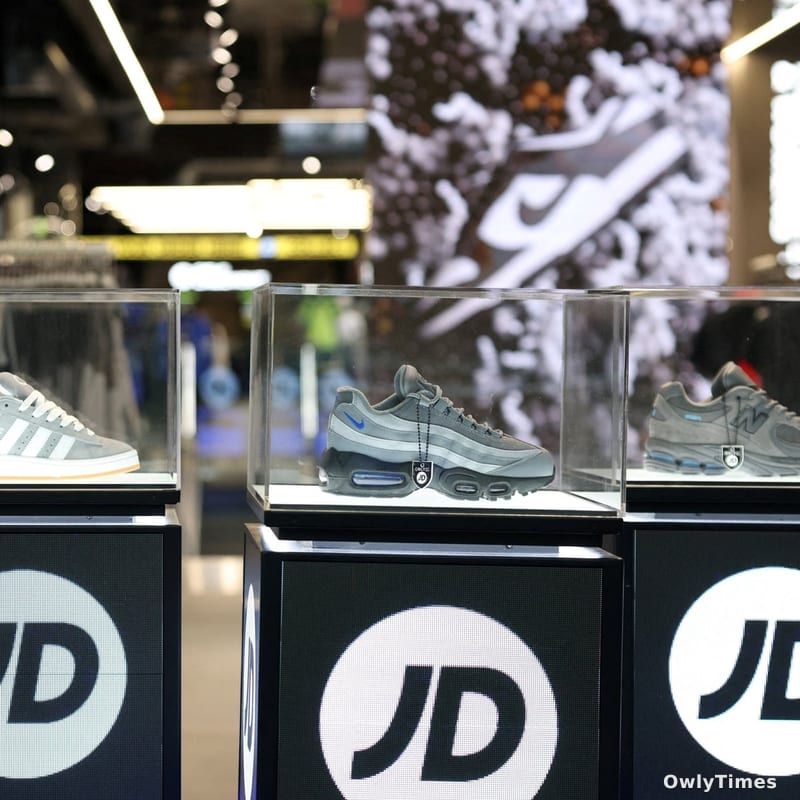

The neon lights of a high-street sneaker shop often mask the harsh realities of the balance sheet, but the latest dispatch from JD suggests the party might be cooling off. As a retailer that has successfully tethered itself to the cultural currency of influencers like Anthony Joshua and Chunkz, JD has long been the barometer for youth consumer sentiment. However, the company is now navigating a "muted market," signaling that the discretionary spending habits of younger shoppers are shifting in ways that even the most agile brands are struggling to anticipate.
The Shrinking Margin of Youth Culture
For a company operating 4,800 stores globally, including the Blacks and Millets chains in the UK, the shift in narrative is stark. After reporting profits of £852m in the year ending in January, JD is bracing for a decline, projecting profits between £750m and £850m for the year ahead. This isn't just a cooling of trends; it is a direct reflection of the economic pressure currently weighing on the demographics that drive the brand’s popularity.
The numbers reveal a fragmented recovery. While the company saw a 2.1% increase in sales to £12.66bn in the year to January, the UK—its home turf—suffered a 2.5% decline. This domestic weakness was only papered over by growth in the US and Europe. When retail giants like JD struggle in their own backyard, it often signals a broader exhaustion among the very youth demographic that sustains the "athleisure" cycle.
Supply Chain Realities and Brand Partnerships
Beyond the immediate spending slump, JD is facing a structural headache linked to its heavy hitters. The retailer explicitly noted that its outlook is hampered by "ongoing product cycle evolution" at major brand partners, specifically citing footwear struggles at Nike. It is a reminder that even the most successful retailers are beholden to the innovation pipelines of their suppliers. When the sneakers don't capture the imagination of the market, the retailer’s bottom line suffers regardless of their marketing spend.
Adding to the complexity is the firm’s pivot toward efficiency. Chief Executive Régis Schultz is betting on automation and artificial intelligence to streamline a supply chain that has been tested by volatile trading periods. Interestingly, the company is simultaneously consolidating its physical footprint in the UK, closing 24 outlets over the past year while paradoxically increasing total selling space by 4%. This suggests a calculated move toward "destination" shopping, prioritizing larger, more immersive stores over the ubiquity of smaller, traditional storefronts.
The Shadow of Global Uncertainty
While JD maintains that there has been "no material business impact to date" from the conflict in the Middle East, the company is not immune to the peripheral anxiety that global instability creates. Management has flagged that the ongoing situation—including the war in Iran—could eventually ripple into their operations, potentially inflating energy and fuel costs across their logistics networks. It is a sobering admission that for a global retailer, the distance between a local shopping mall and a geopolitical hotspot is shorter than it appears.
Despite these headwinds, the market reacted with surprising resilience. Shares in the group rose almost 3% on Thursday morning, perhaps reflecting investor faith in the company's long-term "multibrand model." However, the skepticism remains palpable; analysts at Peel Hunt have already downgraded their profit expectations by 5%. The next reading of the company's quarterly sales data will show whether this "muted market" is merely a seasonal dip or the beginning of a sustained period of tightened belts for the next generation of consumers.

