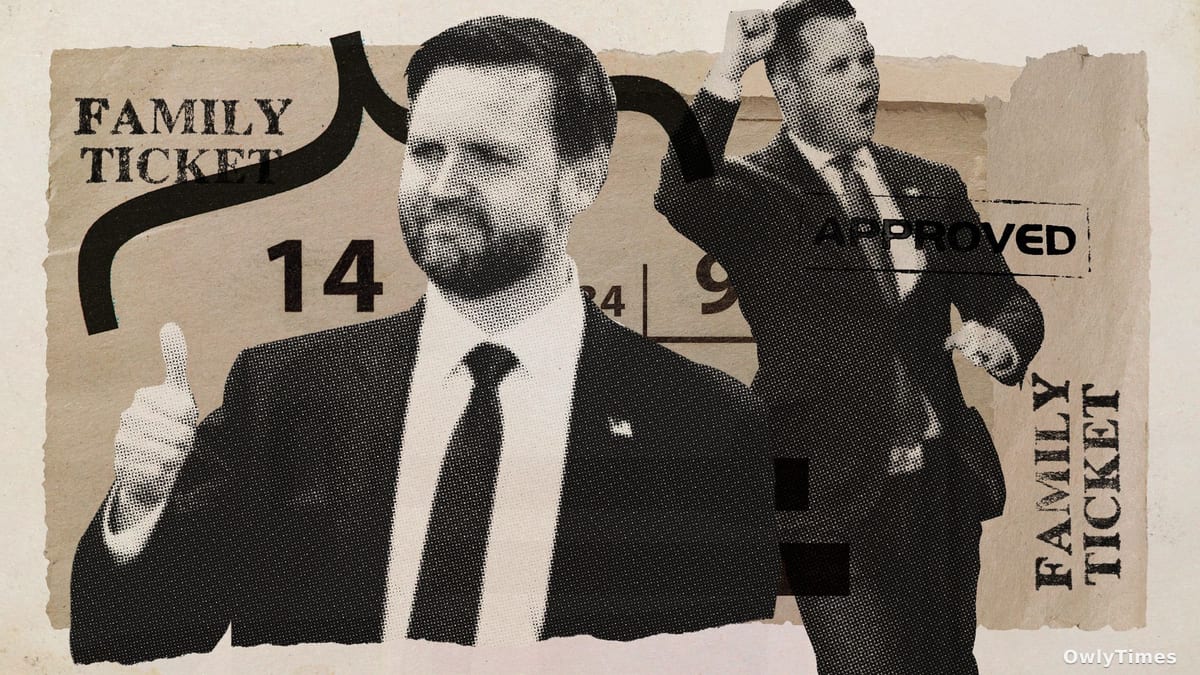

The strategic calculus of a vice-presidential visit to Iowa is rarely confined to the immediate needs of a congressional candidate. By appearing alongside Rep. Zach Nunn this week, Vice President JD Vance is navigating a dual-track strategy: fulfilling his role as an institutional defender of the current GOP majority while simultaneously cultivating the political infrastructure necessary for a future presidential run. In Iowa, a state that remains the traditional crucible for presidential aspirants, Vance’s presence functions as both a tactical boost for Nunn’s reelection and a calculated exercise in brand management for 2028.
The Iowa Calculus for National Aspirants
For any national figure, Iowa serves as a barometer for grassroots support, particularly among the conservative influencers who shape caucus-state sentiment. Vance’s itinerary included strategic meetings with State GOP Chair Jeff Kaufmann, evangelical leader Bob Vander Plaats, and conservative media personality Steve Deace. By engaging these specific stakeholders, Vance is not just boosting a local representative; he is signaling to the party’s base that he is a team player. As Kaufmann noted to Iowa Public Radio, such appearances help build the necessary goodwill for any future bid for the White House.
The benefits of this approach are clear: Vance positions himself as the heir to the current administration’s base while leveraging his current office to maintain high visibility. However, the losers in this equation are the other potential Republican hopefuls, such as Gov. Sarah Huckabee Sanders of Arkansas, who have been making repeated trips to Iowa throughout 2025 to court the same influential donor and activist classes. By finally appearing, Vance asserts his status as the "leader in the clubhouse" for 2028, according to Deace.
The Burden of Institutional Association
The core tension in Vance’s current strategy is the "Kamala Harris problem," a phenomenon identified by Iowa GOP strategist David Kochel. Being part of an administration provides a platform, but it also creates an inextricable link to the administration’s policy record and political baggage. While Vance projects loyalty to the current agenda, he faces the same scrutiny that has historically hampered sitting vice presidents.
This tension was evident during his recent visit, where he attempted to balance public support for the administration’s policies with the reality that his own political future is tied to the success—or failure—of that same agenda. This is a high-risk, high-reward proposition. As noted by Politico, his association with the broader Trump agenda could either solidify his base or alienate the broader electorate, a group with whom he reportedly remains unpopular.
Narrow Margins and Electoral Volatility
The immediate political objective of the visit remains the protection of the GOP congressional majority. With Republicans currently leading by only one point in Nunn’s district, the urgency is palpable. According to reports from KTIV, Vance’s ability to keep voters engaged in November is viewed as critical for holding the seat.
This environment bears a resemblance to the volatility seen in other competitive cycles where the absence of a top-of-ticket candidate forces down-ballot incumbents to rely on national surrogates to drive turnout. Because the administration’s current standing is reportedly struggling in districts won in 2024, the pressure on Vance to deliver results is acute. Whether this visit yields a measurable shift in voter engagement will be determined by the next reading of polling data in Nunn’s district.





