
The Quiet Confidence of a Building Dynasty
The roar of T-Mobile Park still echoes in my ears, a visceral reminder of the Mariners’ improbable run to the American League Championship Series last fall. But beyond the champagne showers and playoff excitement, something quieter, more fundamental, is taking shape in Seattle: a deliberate, long-term strategy of locking down core players. It’s a strategy that feels less like a desperate grab for a championship window and more like the careful construction of a sustainable dynasty, and it all hinges on what happens next with Logan Gilbert.
Based on the original sports.mynorthwest.com report.
The Mariners haven't just been reactive; they've been proactive in securing their future. It began with J.P. Crawford in 2022, a five-year extension for the steady shortstop. Then came the splashy signing of Julio Rodríguez, a deal befitting the supernova rookie who instantly became the face of the franchise. Shortly after, they secured veteran starter Luis Castillo, followed by the surprising, yet brilliant, commitment to catcher Cal Raleigh, whose 60 home runs last season were just a bonus compared to his defensive prowess. Even first baseman Josh Naylor got his due, signing a five-year contract to remain in Seattle. Each move, a calculated investment in stability and homegrown talent.
Why Memphis Manufacturers Are Watching Closely
This isn’t just about baseball; it’s a fascinating case study in modern sports management. The Mariners, under the guidance of general manager Justin Hollander and president of baseball operations Jerry Dipoto, are actively prioritizing the retention of players they’ve drafted and developed. Hollander’s recent comments to Seattle Sports’ Brock and Salk underscored this philosophy: “I don’t think we should take for granted how hard it is to draft and develop a pitcher as good as Logan, George [Kirby], Bryce [Miller] or Bryan [Woo].” He’s right to highlight the rarity of that success. Drafting and developing elite pitchers is notoriously difficult, and the Mariners have seemingly cracked the code, producing a pipeline of talent that rivals any in the league.
The emphasis on homegrown players speaks to a broader shift in the sports landscape. Gone are the days of simply accumulating star power through trades and free agency. Teams are increasingly recognizing the value of continuity, team chemistry, and the intangible benefits of having players who have grown together within an organization. This approach, while requiring patience and a willingness to invest in long-term development, can ultimately lead to a more resilient and sustainable winning culture. It’s a model that manufacturers in Memphis, Tennessee, and elsewhere are likely watching closely, as they grapple with their own talent retention challenges in a competitive labor market.
The Logan Gilbert Equation
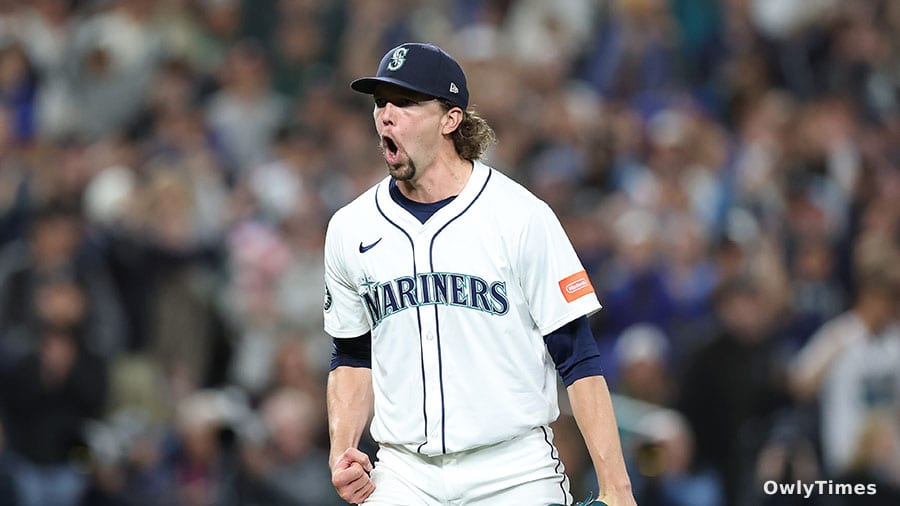
Now, all eyes are on Logan Gilbert. The 28-year-old right-hander, a 2024 All-Star, is poised to hit free agency after the 2027 season, and the Mariners are making it abundantly clear they want him to stay. “We would love to do something with Logan long-term,” Hollander stated, adding that Gilbert is “a Mariner. He represents all of the good things about this org.” The fact that Hollander felt the need to publicly affirm their interest, even while acknowledging that “nothing’s imminent,” speaks volumes about the importance of this negotiation.
Gilbert’s value extends beyond his impressive 2.52 ERA and four quality starts in his last seven games of the regular season. His durability is a significant asset; he’d been remarkably consistent through his first four seasons before a brief stint on the injured list last year. And his postseason performance – allowing just one earned run over eight innings in Game 3 of the ALDS and contributing two scoreless frames in the grueling 15-inning Game 5 – demonstrated his poise and ability to perform under pressure. He’s not just a talented pitcher; he’s a reliable, clutch performer who embodies the team’s values.
Beyond the Headlines: A Culture of Commitment
What’s truly compelling about the Mariners’ approach is the emphasis on character and commitment. Hollander didn’t just talk about Gilbert’s on-field performance; he highlighted his “deep desire to get better,” his approach to the offseason, and his “way he conducts himself in the clubhouse.” This focus on building a culture of dedication and continuous improvement is arguably as important as acquiring talent. It’s a recognition that sustained success isn’t just about having the best players; it’s about fostering an environment where those players can thrive.
The Mariners’ recent success isn’t a fluke. It’s the result of a deliberate strategy, a commitment to homegrown talent, and a culture of accountability. While the pursuit of a championship remains the ultimate goal, the foundation they’re building suggests a future far beyond a single season. The question now isn’t whether they can win it all this year, but whether they can maintain this trajectory, and that hinges on securing Logan Gilbert before he tests the open market. Will the Mariners prioritize financial flexibility or lock down their ace, potentially setting a precedent for future negotiations with their core players? The next few months will reveal whether their commitment to building a dynasty is as strong as their words suggest.