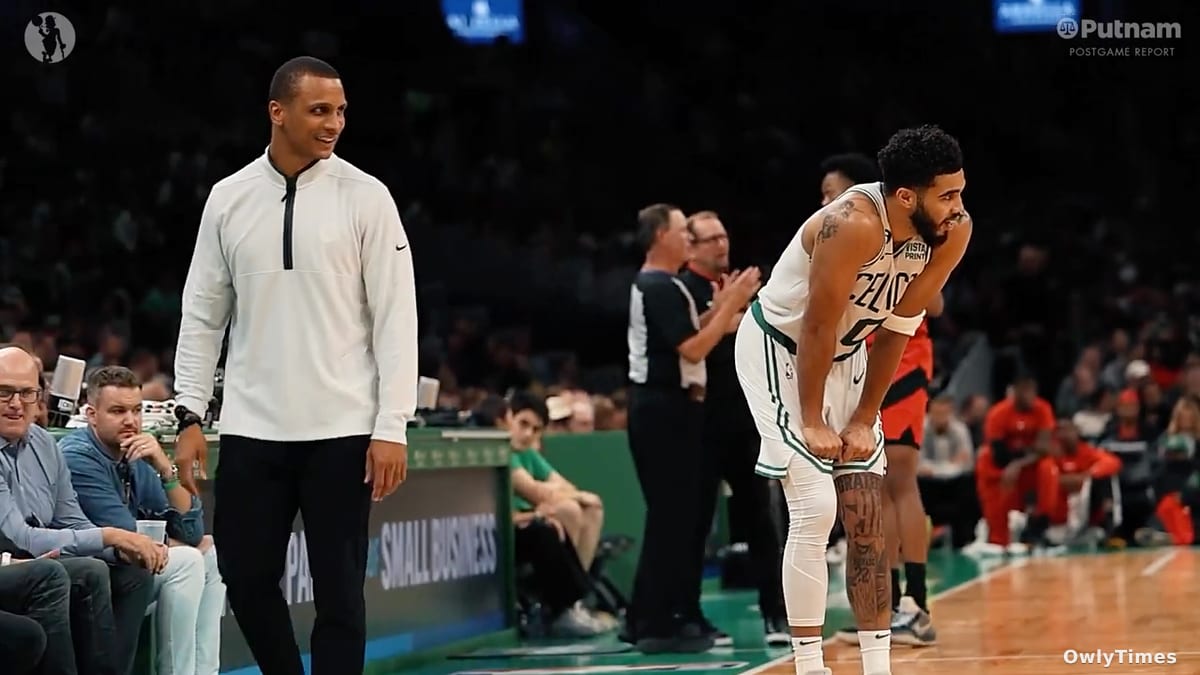

The air in TD Garden had been thick with a palpable dread, a collective gasp echoing through the stands as the final buzzer sealed the Boston Celtics’ fate. After clawing their way to a commanding 3-1 lead against the Philadelphia 76ers in the opening round of the postseason, Joe Mazzulla's squad crumbled, suffering three straight defeats – two of them on their own home floor – to lose the series 3-4. It was more than just a playoff exit; it was a psychological gut punch, a brutal reminder that talent alone doesn't guarantee destiny. Now, as the NBA offseason looms, the pressure on President of Basketball Operations Brad Stevens isn't just immense; it's existential.
Beyond the Blockbuster Trade Talk
The immediate whispers, as always, revolve around high-stakes trades. The future of star forward Jaylen Brown is already a sizable topic of speculation, a centerpiece in the rumor mill. Names like Derrick White and Sam Hauser are also being floated as potential candidates to be moved, signaling a possible shake-up of the current roster. These are the headline-grabbing moves, the dramatic player swaps that ignite fanbases and dominate sports talk shows. But beyond the glitz of potential blockbusters, a more subtle, yet equally telling, strategy is taking shape – one that reveals the deeper philosophy Stevens might be employing to mend a fractured championship aspiration.
The Draft's Unexpected Curveball
For years, Stevens has leaned into a specific draft philosophy, prioritizing players with multi-season collegiate careers, valuing their higher floor and readiness for the rigors of the NBA. This approach minimizes risk, a sensible path for a team already loaded with talent. Yet, as the Boston Celtics navigate this pivotal offseason, ESPN's Jeremy Woo has thrown a fascinating curveball. In his latest mock draft, Woo predicts Stevens will take a "slight change of direction," with Amari Allen slated as Boston's pick at 27th overall in the first round, as detailed in an article originally appearing on Celtics Wire via Yahoo Sports. This isn't just about a name on a draft board; it's a potential signal of a broader shift, an acknowledgment that immediate impact might not be the only metric for success.
Allen, a forward from the Alabama Crimson Tide, started 24 of his 32 games during his collegiate season. Woo, in his scouting report, highlighted Allen’s "positional versatility and ability to augment lineups on both sides of the ball," suggesting a clear path to a "long-term NBA role." However, he also tempered expectations, noting Allen is "not likely to create his own shot at a high level and shot a middling 34.1 percent from 3." The image of Allen dribbling against Michigan guard Nimari Burnett during the NCAA Tournament Sweet 16, dated Friday, March 27, 2026, further emphasizes his raw potential, positioning him as a forward-looking, "developmental project." This isn't a quick fix; it's a long game.
A Developmental Gamble in a Championship Window
The tension here is palpable: a team in a championship window, reeling from a devastating playoff collapse, contemplating a "developmental project." Boston has a commendable track record of cultivating young talent, nurturing players through its system before integrating them into the main rotation. However, the wing position, where Allen primarily operates, is already one of the most "loaded" areas of the Celtics' roster. This creates a fascinating dilemma for Stevens: does he prioritize the best talent available, even if it means a crowded position and a long wait for returns, or does he seek a more immediate-impact player to soothe the collective anxiety of the fanbase? The decision to invest in a player like Allen, despite his current limitations and the fierce competition for minutes, underscores a belief in a patient, foundational approach to team building, even amidst the clamor for instant gratification.
This moment for the Celtics transcends a simple roster decision; it's a cultural barometer for how we define success and patience in professional sports. In an era of hot takes and immediate results, the potential selection of a player like Amari Allen at the 27th pick isn't just a draft strategy; it’s a philosophical statement. It signals a willingness to invest in future growth, even when the echoes of past failures are still ringing loudly. As the NBA draft approaches, the choice Stevens makes will not only shape the Celtics' roster but also offer a glimpse into the enduring tension between the urgent demands of a championship-hungry city and the calculated, often quiet, work of building a sustainable dynasty. The next steps for the Boston Celtics, whether through trades or this intriguing draft pick, will reveal whether they are truly focused on patching holes or laying new foundations for the future.

