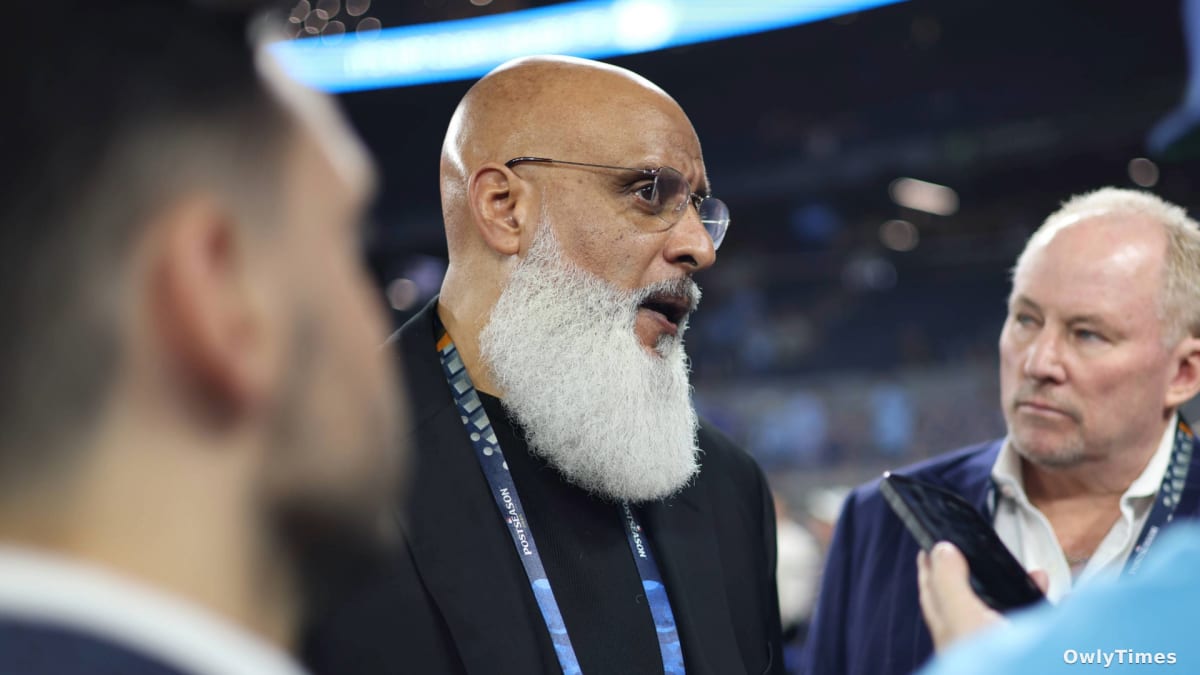

The chipped Formica of the diner booth felt cold under Marcus Semien’s elbows as he fielded questions Tuesday afternoon, the scent of stale coffee hanging heavy in the air. He wasn’t offering much – “a distraction going into December,” was about all he’d concede regarding the sudden, expected resignation of Tony Clark, executive director of the MLB Players Association. But the silence spoke volumes. This wasn’t a clean break, a planned transition. It was a controlled fall, a preemptive strike against a storm already gathering force, and it arrives with the looming specter of collective bargaining negotiations just months away. The timing isn’t just bad; it’s a calculated unraveling, revealing a union grappling with internal fractures and external scrutiny that goes far beyond a single, “inappropriate” relationship.
A House of Cards and a Federal Investigation
The revelation of Clark’s relationship with his sister-in-law, and the subsequent hiring of that relative by the union in 2023, feels less like the core of the issue and more like the match that lit the fuse. The Athletic’s reporting, coupled with ESPN’s confirmation, paints a picture of a union already under the intense glare of the Eastern District of New York. Federal prosecutors aren’t interested in workplace romances; they’re investigating whether OneTeam Partners, the licensing company co-founded by the MLBPA and the NFL Players Association, was used to funnel money to union leaders. The scale of the investigation remains unclear, but the fact that members of the executive subcommittee have already been in contact with federal officials is deeply unsettling. This isn’t a simple HR issue; it’s a potential breach of fiduciary duty, a question of whether the players’ interests were truly being served. Adding another layer of complexity, the MLBPA-owned youth baseball company, Players Way, is also under investigation for alleged financial impropriety, having received $3.9 million from the union despite hosting remarkably few actual events, while executives and consultants reportedly collected six-figure salaries.
Original reporting: CBS Sports.
The Fallout Within the Clubhouse
The immediate aftermath of Clark’s expected departure is a scramble for stability. Brent Suter emphasized the desire for an interim leader to “keep everything as stable as we can this year,” a sentiment echoed by Chris Bassitt, who stressed the importance of a thorough process, even if it takes longer than “24 hours.” Bassitt’s insistence on gathering input from all 1,200-plus players isn’t just procedural caution; it’s a direct response to past decisions perceived as rushed and ill-considered. The recent attempt by three former executive subcommittee members – Jack Flaherty, Lucas Giolito, and Ian Happ – to remove the union’s deputy director, Meyer, in December 2023, and their subsequent removal from the subcommittee, underscores the deep divisions within the player ranks. The current subcommittee – Semien, Bassitt, Suter, Jake Cronenworth, Pete Fairbanks, Cedric Mullins, Paul Skenes, and Tarik Skubal – now faces the unenviable task of navigating a leadership vacuum while simultaneously preparing for what promises to be a brutal round of CBA negotiations. The fact that Clark didn’t even discuss his resignation with union leadership before the news broke speaks to a breakdown in trust and communication at the highest levels.
The Owners Are Waiting
The timing couldn’t be worse for the players. The current collective bargaining agreement expires December 1st, and both sides are bracing for a contentious battle. Rob Manfred, ever the pragmatist, even suggested last year that an offseason lockout could be “a positive,” citing the “leverage” it provides during negotiations. This isn’t a negotiating tactic designed to inspire confidence; it’s a blunt admission that the owners are prepared to disrupt the game to achieve their goals. And those goals are clear: a salary cap, international draft, and expanded playoffs – all measures the union has historically opposed. The owners frame these proposals as promoting “parity,” but the players see them as mechanisms to suppress wages and limit player movement. The proposed salary cap, in particular, is a non-starter for the MLBPA, representing a fundamental shift in the power dynamic between owners and players. The union’s internal turmoil couldn’t come at a more opportune moment for the owners, who will undoubtedly exploit the situation to their advantage.
Beyond the Headlines: A Union at a Crossroads
This isn’t just about Tony Clark’s personal failings or even the specific allegations of financial impropriety. It’s about the fundamental role of the MLBPA in a rapidly changing sports landscape. The union, once a beacon of player empowerment, now appears fractured, vulnerable, and under siege. The investigation into OneTeam Partners raises uncomfortable questions about the financial incentives driving union leadership, while the Players Way debacle highlights a lack of oversight and accountability. The players are facing an ownership group that is increasingly willing to flex its financial muscle and a league that is prioritizing revenue generation over player welfare. The next MLBPA leader will inherit a monumental task: rebuilding trust within the clubhouse, defending the players’ economic interests, and navigating a complex and increasingly hostile bargaining environment. The question isn’t just who will replace Clark, but whether the union can emerge from this crisis with its core principles intact. Will the players demand transparency and accountability from their leadership, or will they settle for a quick fix that leaves the underlying problems unaddressed? The future of baseball, and the rights of its players, may very well depend on the answer.

