
The hum of a restaurant in Laval, Quebec, last Sunday was not merely the sound of a crowd; it was the rhythmic pulse of a city defined by its devotion to the ice. As I sat surrounded by televisions broadcasting Game 7 of the Montreal Canadiens’ opening-round playoff series against the Tampa Bay Lightning, the collective roar of the room transported me back forty years. I had arrived in the Montreal suburb for my 40th high school reunion, but the weekend quickly transformed into a pilgrimage to the altar of hockey. It is a sport uniquely crafted to foster a near-religious loyalty, one that binds generations together through the shared, visceral experience of the game.
A Culture Woven in Steel and Ice
Beyond the headlines of playoff scores and highlight reels, there is a deeper reality to why NHL fanbases often stand apart as the most fervent in North American professional sports. For legacy franchises like the Canadiens, the Toronto Maple Leafs, the Detroit Red Wings, the Boston Bruins, the New York Rangers, and the Chicago Blackhawks, history is not just a collection of statistics; it is a century-long narrative that has been woven into the fabric of community identity. In Montreal, where the French language creates a distinct cultural minority, the Canadiens represent more than a team—they are a pillar of the community’s pride.
My own education in this devotion began on Feb. 20, 1978, at the Montreal Forum. At nine years old, I watched a 4-2 victory over the Buffalo Sabres, a team the Canadiens are currently battling in the second round of the playoffs. That night, nine future Hall of Famers took the ice, including Jacques Lemaire, who scored twice. It was a golden era; that season, Montreal lost only 10 games en route to the third of four consecutive championships. The sounds of that night—the crisp snap of pucks hitting sticks and the raw, rhythmic chants of visiting fans—remain etched in my memory, a testament to how deeply these moments sink into a fan's consciousness.
The Gladiatorial Allure of the Rink
What truly separates hockey from its peers is the physical and structural nature of the game itself. While other major sports possess deep lore and century-old traditions, hockey’s environment is uniquely claustrophobic. The boards do not merely contain the action; they trap the players, creating a gladiatorial arena where pressure is forced to build until it inevitably erupts. The allowance of heavy contact and fighting—elements that would see a player ejected in basketball or football—adds a layer of raw fury that is unparalleled. This "edge" is precisely what transmits so much intensity to the spectators.
My upbringing was essentially a calendar dictated by the NHL. In the 1980s, social plans were subservient to the 8 p.m. Saturday night game on CBC. In the 1990s, vacation time was carefully managed to avoid May, the month when the Canadiens might be chasing a Stanley Cup. From witnessing Guy Lafleur notch his 1,000th career point to the chaotic, jubilant madness of the 1986 Stanley Cup parade—where half a million people clogged the streets—these were not just sports victories. They were milestones of life, shared with bank tellers, orthodontists, and friends in ways that transcend the average fan-team dynamic.
Cultivating Loyalty in New Markets
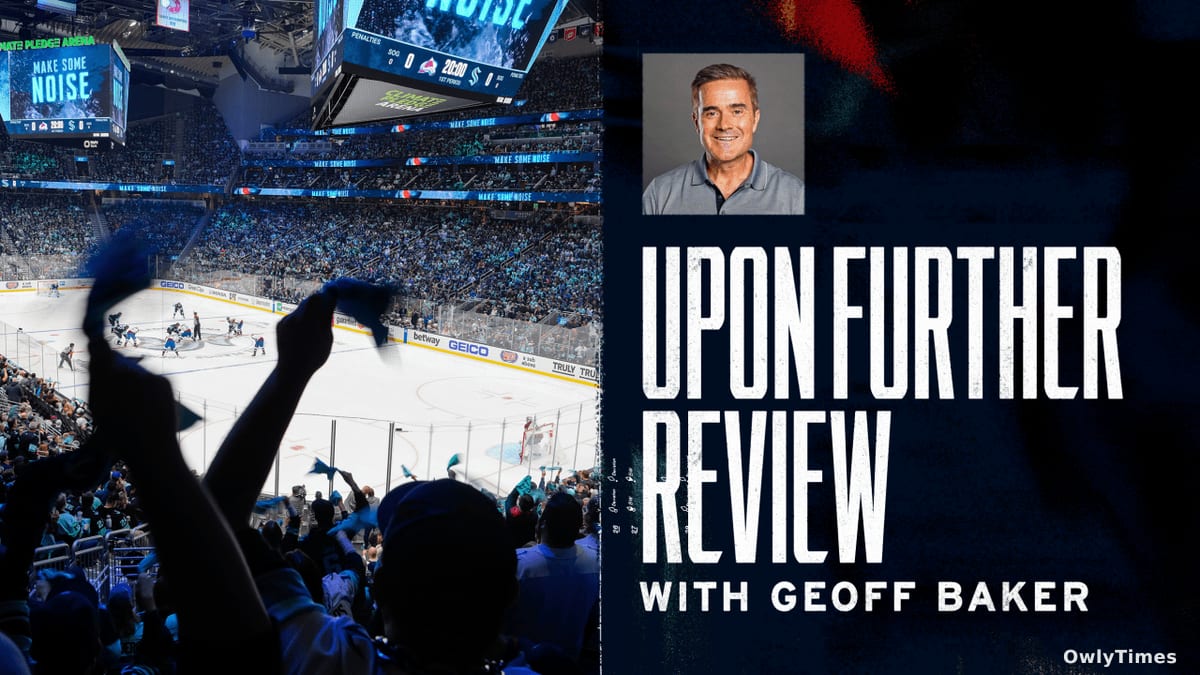
Moving to Seattle has offered me a new perspective on these formative years. While the Kraken are a franchise only five seasons old, they have already demonstrated an uncanny, burgeoning loyalty that mirrors the fervor of the Original Six. Whether it is the memory of Jordan Eberle’s overtime goal against Colorado three years ago or the sting of Brandon Montour’s overtime winner against Montreal last year, the seeds of history are being sown in the Pacific Northwest.
The task for those of us who grew up in the sport’s traditional hubs is to bridge the gap between that deep-rooted past and the unfolding present. We are witnessing a new chapter in a sport where fans are remarkably unlikely to forget the memories they create. The next reading of the Kraken’s continued growth in fan engagement and the creation of their own signature playoff moments will show whether this young franchise can replicate the lifelong, generational devotion that defines the soul of the NHL.

