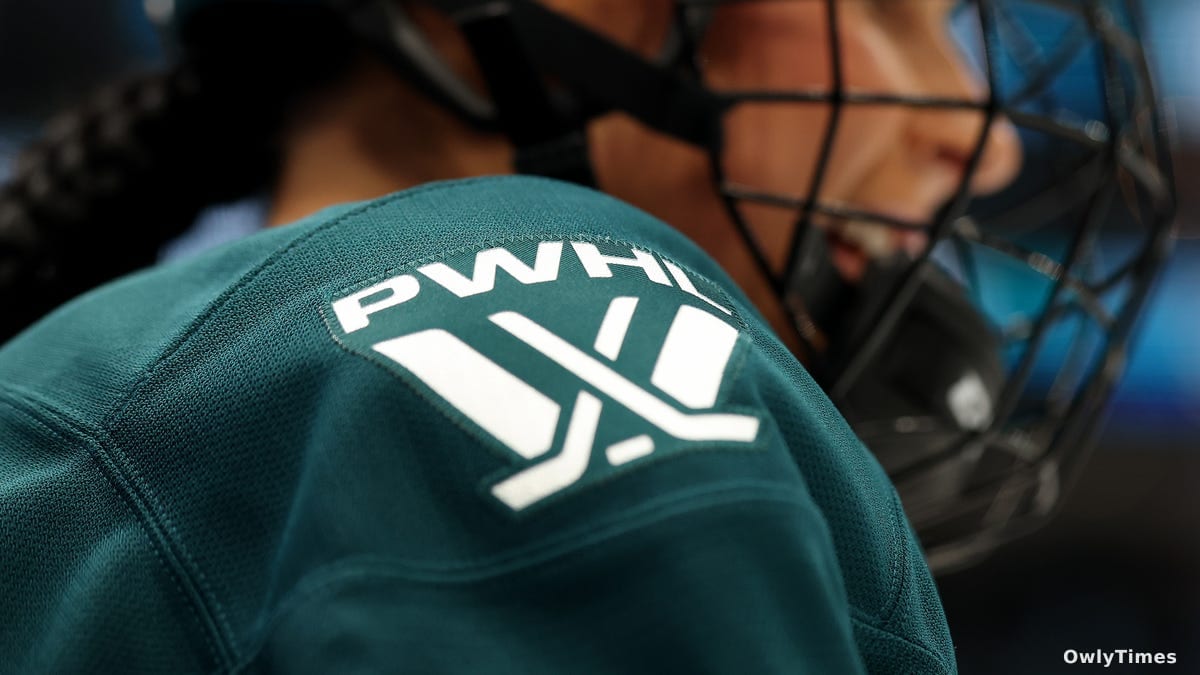

The puck drops. The crowd roars, a cacophony of hope and anxiety. In a decisive Game 5, the Montréal Victoire didn't just win a hockey game; they dethroned a dynasty. With that thrilling victory over the two-time defending champion Minnesota Frost, Montréal didn't just punch their ticket to the 2026 PWHL Walter Cup Finals for the first time in franchise history, they guaranteed something even bigger: a genuinely new chapter for the Professional Women’s Hockey League, culminating in an all-Canadian final and the league's first Canadian champion.
Beyond the headlines of scores and saves, this showdown between the No. 1 seed Victoire and the No. 4 seed Ottawa Charge isn't merely a contest for a trophy; it's a powerful cultural moment for a burgeoning league and for women’s hockey itself. After the Frost dominated the league's inaugural two seasons, the stage is now set for a different kind of history, one forged in the intense rivalry between two teams from hockey’s heartland. It speaks volumes about the league's rapid evolution and the depth of talent emerging across its landscape.
Montréal's Ascent: Captain Clutch and the Brick Wall
The Victoire’s path to the finals has been a testament to both individual brilliance and collective resolve. Leading the charge, as she so often does, is captain Marie-Philip Poulin, whose knack for clutch moments is legendary. She not only scored Montreal's first postseason overtime winner in a grueling 1-0 triple-overtime Game 2 against the Frost to even the series, but also netted the game-winner in the pivotal Game 5, knocking out the reigning champions. "It's very special. Obviously, you work so hard for these moments," Poulin told USA TODAY Sports after the historic win. "We're happy right now, but we're not done yet." Her five points (two goals, three assists) in five games tie her for the postseason lead, showcasing her consistent impact.
Crucial to Montréal’s success has been the impenetrable netminding of Ann-Renée Desbiens. After a challenging Game 1 where she conceded five goals, the Olympic gold medalist rebounded spectacularly, posting her first career playoff shutout against the Frost’s league-leading offense to square the series at 1-1. Desbiens has since made an astounding 142 saves on 151 shots across five games, leading all goalkeepers with an impressive 1.56 goals against average this postseason. Poulin lauded Desbiens as "the backbone of our team," describing her as their "brick wall" – a testament to the composure and resilience that has kept Montreal in contention even when their defense wavered. The Victoire’s depth, with 12 different players scoring at least one point against the Frost, including Laura Stacey (3G, 1A) and Abby Roque (3A), further underscores their collective strength.
Ottawa's Resilient Ride: The Comeback Kids
The Ottawa Charge, meanwhile, arrive in the finals as the resilient underdogs, proving their mettle repeatedly. This marks their second consecutive trip to the Walter Cup Finals, a testament to a foundational grit cultivated within their locker room, as captain Brianne Jenner highlighted. Their semifinal series against the No. 2 seed Boston Fleet saw them overcome adversity, clinching their spot with Michela Cava’s double-overtime winner in Game 4, even after squandering a multi-goal lead. "When you go up 2-0 and then in the span of five minutes, you let that lead go, I think a lot of teams would fold," Jenner remarked, emphasizing the mental fortitude they’ve honed with their mental performance coach.
Goaltender Gwyneth Philips, the reigning Playoff Most Valuable Player, has been a pillar for the Charge, making 135 saves on 142 shots across four playoff games with a solid 1.62 goals-against average. Charge head coach Carla MacLeod praised Philips’ unwavering confidence and athletic growth in net, calling it a "real treat to watch her grow." Cava, who joined Ottawa after winning two championships in Minnesota, found her stride at the perfect moment, her double-overtime winner marking her first goal for the team after a season of "bad puck luck." Her late-season arrival and immediate impact symbolize Ottawa's ability to pull out crucial performances when it matters most, much like their second-half surge in the regular season that secured the fourth and final playoff berth on the last day.
A Rivalry Rekindled: Setting the Stage for History
The regular season series offers a tantalizing preview of the intensity to come, with Montreal holding a 3-1 edge over Ottawa. The Victoire took the first two matchups, winning 2-1 on January 13 and 3-1 on January 24. Ottawa managed a 2-1 overtime victory on March 22, thanks to Rebecca Leslie, but Montreal then shut them out 3-0 in their last meeting on April 3. These matchups highlight not just the Victoire’s consistent offensive pressure but also the Charge’s ability to dig deep and find a way to win, even against a dominant opponent. This final is poised to be a battle of composure versus resilience, a true test of wills between two teams desperate to etch their names in the league’s young history.
The 2026 PWHL Walter Cup Finals are more than just a hockey series; they are a pivotal moment for the league, signaling a shift in power dynamics and celebrating the growing talent pool within women's professional sports. An all-Canadian final not only ignites national pride in a country where hockey is paramount but also cements the PWHL's narrative as a truly competitive and compelling league. The series kicks off with Game 1 on Thursday, May 14, at 7 p.m. ET, with Ottawa visiting Montreal, marking the beginning of what promises to be an unforgettable battle for the Walter Cup, and a defining moment for the future of women's hockey in Canada and beyond, as detailed by a recent USA TODAY Sports report. For more details on the league's structure and history, the Professional Women's Hockey League Wikipedia page offers a comprehensive overview.