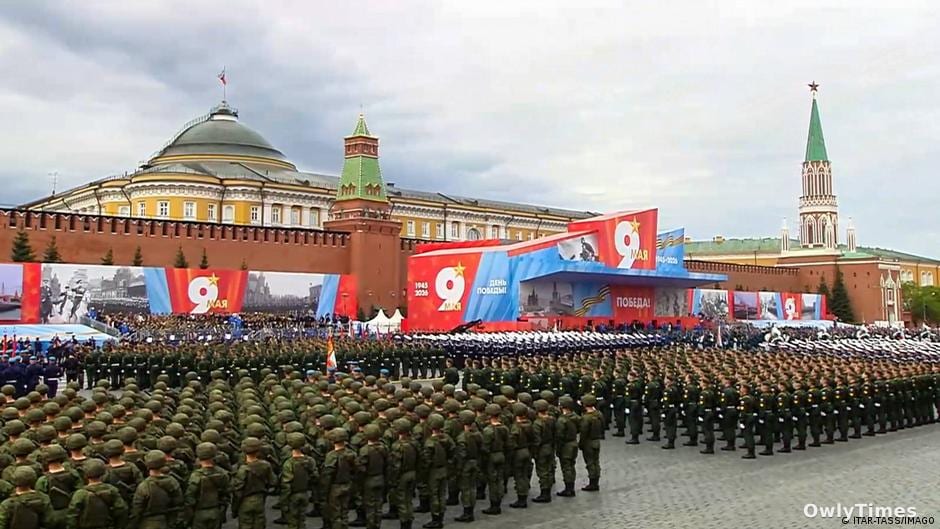

The strategic calculus behind the Kremlin’s muted Victory Day display on May 9, 2026, reveals a regime prioritizing internal stability over the traditional projection of military might. By stripping the annual commemoration of its usual heavy hardware, President Putin opted for a narrative of continuity rather than a demonstration of operational capacity. This shift suggests that the Russian leadership is acutely aware of the optics surrounding its current military standing, choosing to anchor its legitimacy in the historical symbolism of the Soviet defeat of Nazi Germany in World War II rather than the uncertain outcomes of the ongoing conflict in Ukraine.
The Calculus of Absence
For the first time in nearly two decades, the absence of tanks and missile launchers in the parade serves as a significant departure from established precedent. This move acts as a hedge against the domestic perception of a depleted arsenal, allowing the state to maintain the facade of a grand celebration while minimizing the risk of showcasing missing assets. Who benefits from this scaled-back display? The Kremlin gains a narrative shield, avoiding questions about equipment readiness while still tethering its current political objectives to the immense prestige of the 1945 victory. Conversely, the military-industrial complex loses a key annual opportunity for public promotion, signaling that the current priority is consolidation over exhibition.
Security Controls and Information Management
The implementation of tight security measures and a partial internet shutdown during the festivities highlights the regime's defensive posture toward its own citizenry. By limiting digital connectivity, authorities effectively curtailed the ability of independent observers or potential dissenters to circulate unapproved footage of the day’s proceedings. This control mechanism indicates a profound anxiety regarding the stability of the home front, particularly as the state attempts to reconcile a brief ceasefire in Ukraine with the rhetoric of an existential struggle. The contrast between the celebratory tone of the official speech and the restrictive reality on the ground highlights the inherent contradictions in modern Russian political communication.
Historical Parallels and Strategic Constraints
Drawing from the historical precedent of the World War II victory is a calculated effort to frame the war in Ukraine as a moral successor to the Great Patriotic War. However, the decision to forego the heavy hardware display indicates a departure from the "shock and awe" style of mobilization that defined previous years of the Putin era. The current approach mirrors the political logic observed during the COVID-19 pandemic, where the state prioritized the appearance of order and control over the actual logistics of public engagement. The state’s reliance on historical memory to bolster contemporary war efforts suggests a narrowing window for alternative political messaging.
Indicators of Future Stability
As the dust settles on the May 9 observances, the next reading of domestic stability will be found in the state’s ability to maintain the current ceasefire terms without further eroding the illusion of military invincibility. The shift toward a quieter, more controlled parade format provides a baseline metric for how the Kremlin intends to manage the public’s perception of the conflict in the months ahead. Observers should monitor the intensity of future information restrictions, as these measures serve as a reliable gauge of the regime’s confidence in its internal messaging.





