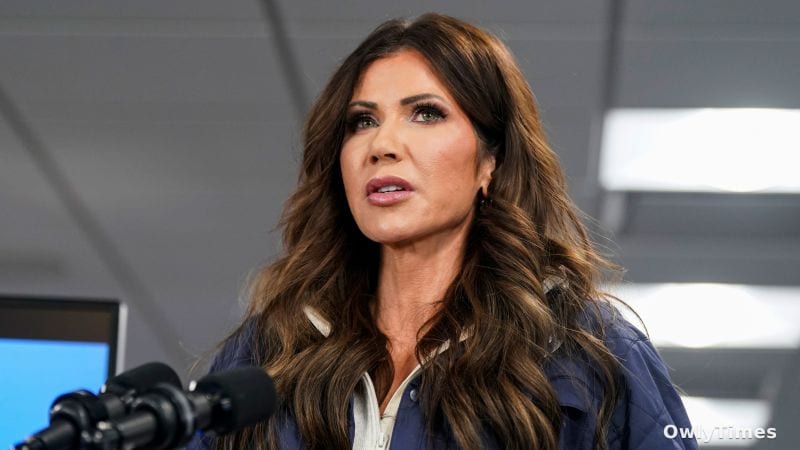

The strategic calculus behind the Department of Homeland Security’s sudden personnel reversal is a cold, pragmatic recognition of institutional fragility. After months of aggressive ideological purging under former Secretary Kristi Noem, the agency found itself hollowed out and functionally paralyzed, creating a political liability that threatened to materialize in the form of a catastrophic failure during the upcoming hurricane season. By reinstating whistleblowers and senior officials, new Secretary Markwayne Mullin is not merely correcting a personnel grievance; he is attempting to buy back the institutional memory and operational capacity necessary to avoid a disaster-response collapse on the scale of Hurricane Katrina.
The Cost of Ideological Purging
The administration’s shift is defined by a clear "who benefits and who loses" dynamic. The primary beneficiaries are the 14 FEMA staffers who signed an open letter to Congress last August warning of agency instability, and who are now back at their desks. They win, alongside the disaster-affected communities that rely on a functioning federal bureaucracy. The losers are the architects of the previous, more volatile strategy—specifically those who prioritized the "dismantling" of federal infrastructure over operational readiness.
This reset acknowledges that the agency’s previous course was unsustainable. Under Noem, more than 20% of the workforce was driven out, gutting senior leadership and precipitating a steep slide in morale. The irony is stark: the same administration that once signaled a desire to eliminate FEMA entirely is now scrambling to restore its skeletal framework to ensure it can survive the 2026 hurricane season and the logistical demands of the FIFA World Cup.
Dismantling the Bottleneck
Mullin’s most significant tactical maneuver is the removal of the spending rule that required personal approval for any expenditure exceeding $100,000. While framed by the previous leadership as a check against waste, the policy functioned as a massive administrative bottleneck, stalling billions of dollars in contracts and grants. This created direct friction with GOP lawmakers like North Carolina Sens. Thom Tillis and Ted Budd, who blocked DHS nominees in protest of the withheld aid. By lifting this constraint, Mullin is signaling a return to legislative pragmatism, prioritizing the flow of federal recovery funds to secure Republican support for the agency’s broader stabilization.
The move to nominate Cameron Hamilton as FEMA administrator serves as the final piece of this strategic pivot. Hamilton’s previous firing—precipitated by his refusal to support the elimination of the agency—now reads as a political miscalculation by the White House. Bringing him back is a clear signal to the career staff that the era of institutional sabotage is being traded for a focus on technical competence and disaster readiness.
The Capacity Gap
Despite these corrections, the agency remains in a precarious position. The "reset" is, by all accounts, a stopgap measure. FEMA is still navigating a yearlong hiring freeze, and while DHS plans to greenlight 400 new disaster-worker jobs, officials note this is merely a fraction of the thousands who exited. With hurricane season just 30 days away, the agency faces a reality where training exercises are still restricted and key positions are filled by personnel who lack sufficient experience in their current roles.
The next signal of the agency’s trajectory will be the performance of the Disaster Relief Fund and the speed at which new hires can be integrated before the first major storm of the season. As senior officials have noted, the loss of human capital is not something that can be reversed with a single memorandum. The efficacy of these reinstatements will be tested not in boardrooms, but in the field, where the gap between administrative policy and boots-on-the-ground readiness will determine if the agency can actually function when the next major, multi-state disaster strikes.





