
Is the Department of Homeland Security about to get a leader who can’t articulate why things need to change? That’s the question hanging over Sen. Markwayne Mullin’s narrow confirmation to head the agency, and it’s a far more unsettling issue than the usual partisan squabbling over border security or immigration policy. The 8-7 committee vote, barely pushing Mullin’s nomination to the full Senate, isn’t a sign of strong support – it’s a flashing warning light about a fundamental disconnect between what the public demands from DHS and what this administration seems willing to deliver. The real story here isn't Mullin’s past “combative remarks” – it’s the alarming lack of a clear vision for accountability within an agency increasingly tasked with domestic policing powers.
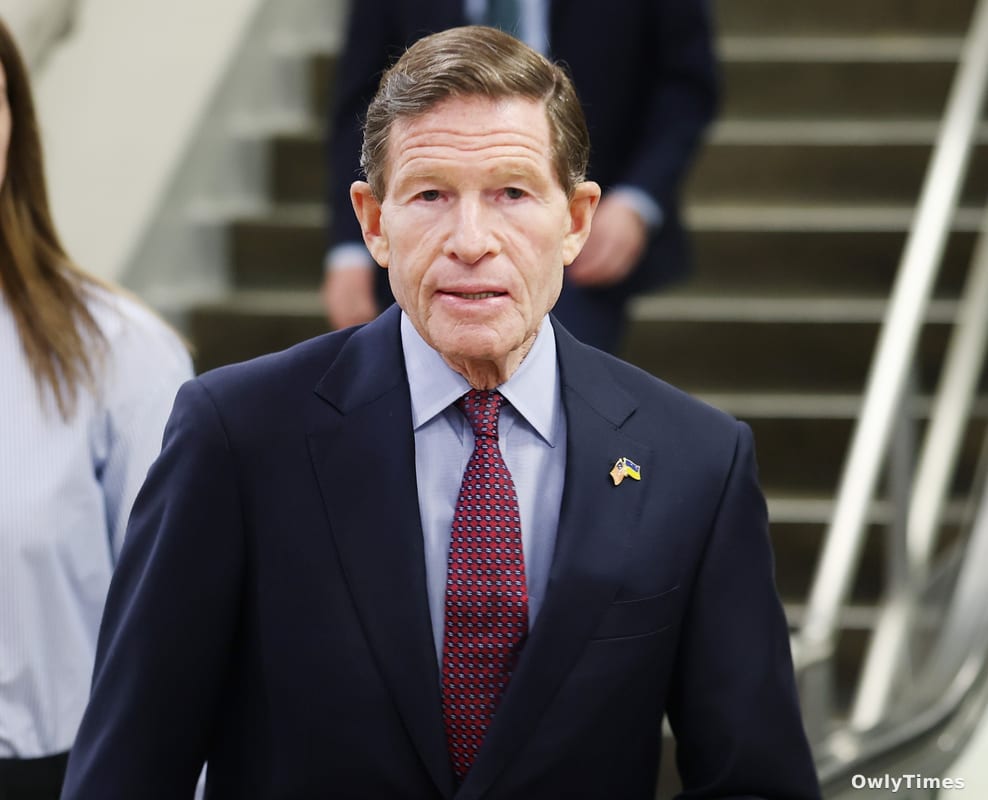
The confirmation hearing, as reported by NPR, centered on familiar anxieties: political violence, the potential for overreach, and the ever-present question of how DHS balances security with civil liberties. But Sen. Richard Blumenthal of Connecticut cut through the noise, pinpointing a critical failure. He told NPR’s Steve Inskeep that Mullin couldn’t demonstrate any meaningful policy divergence from his predecessor, Kristi Noem, who was unceremoniously removed by President Trump after months of internal turmoil. This isn’t about personality clashes; it’s about a systemic problem. The agency, created in the wake of 9/11, has steadily expanded its reach, often operating with a level of opacity that would make even the most seasoned intelligence operative blush.
Blumenthal’s specific examples are particularly damning. He frames the reforms Americans are demanding not as radical overhauls, but as basic standards already expected of local police forces: visible badges, no masks, body cameras, and the right to legal recourse when harmed by DHS personnel. These aren’t abstract concepts; they’re about ensuring transparency and preventing abuse of power. Consider the protests following the 2024 election, where reports surfaced of plainclothes DHS officers involved in crowd control. Or the ongoing debates about the agency’s surveillance capabilities, fueled by concerns about data privacy and potential misuse. The fact that these fundamental safeguards are still considered “reforms” – and that the administration hasn’t fully embraced them – speaks volumes. The current level of spending on DHS is $103 billion as of 2026, a 30% increase since 2020, yet accountability measures remain stubbornly stagnant.
This article draws on reporting from NPR.
The situation is further complicated by the backdrop of escalating geopolitical tensions, specifically the war with Iran. Blumenthal also touched on the prospect of American troops being deployed to the region, a scenario that would inevitably expand DHS’s role in monitoring and potentially policing dissent at home. This isn’t a hypothetical concern. History demonstrates that increased military engagement abroad often leads to heightened surveillance and restrictions on civil liberties domestically. The agency’s mandate to protect the “homeland” becomes conveniently broad, justifying actions that would otherwise be considered unacceptable. The agency’s budget for counterterrorism measures has increased by 15% in the last year alone, raising questions about where those resources are being directed and how they’re being used.
The narrowness of Mullin’s committee passage isn’t just a political defeat for the administration; it’s a signal that a significant portion of the Senate – and, by extension, the American public – is deeply skeptical about the direction of DHS. The agency is at a crossroads. It can continue down the path of secrecy and unchecked power, or it can embrace transparency and accountability. The real question isn’t whether Mullin can secure enough votes for full confirmation – it’s whether he’s willing to fundamentally reshape the agency’s culture. Watch closely for whether, within the first 100 days of his potential tenure, Mullin publicly commits to implementing the basic reforms Blumenthal outlined. If he doesn’t, expect a sustained and escalating battle over the future of homeland security – and the rights of ordinary Americans.





