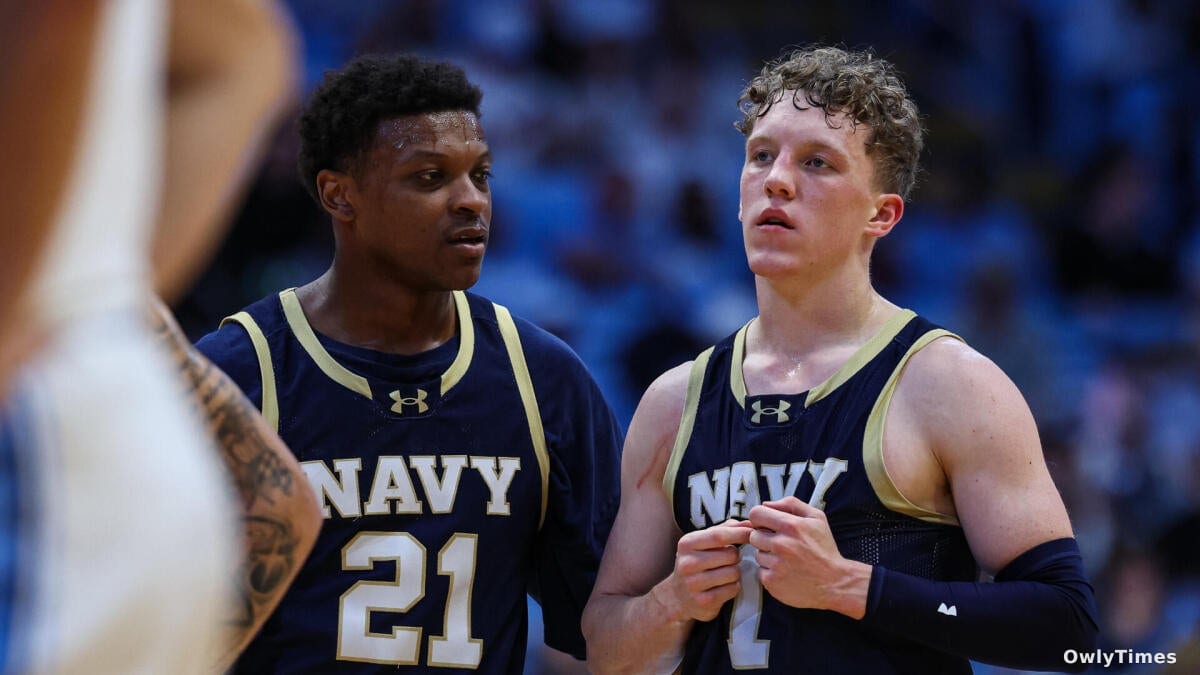

The air in Annapolis crackled with a different kind of energy this February. It wasn’t the salt spray off the Chesapeake Bay, nor the crisp march of midshipmen to morning formation. It was the quiet, insistent hum of expectation. Navy basketball, a program historically adrift in the shadow of its more celebrated service academy rivals, was winning – and winning convincingly. Not just winning, but dismantling opponents, stringing together a 13-game streak, and daring to whisper the once-unthinkable: NCAA Tournament. But this isn’t simply a sports story; it’s a case study in what happens when institutional identity, unwavering commitment to core values, and a little bit of basketball brilliance collide in an era defined by fleeting loyalty and transactional athletics.
Jon Perry arrived at the Naval Academy last year inheriting a program that hadn’t tasted significant postseason success since David Robinson patrolled the paint. Entering this season, Navy had secured only one Patriot League regular-season title since 1997, and hadn’t reached the NCAA Tournament since 1998. The odds were stacked against him, especially in a landscape where roster churn is the norm. Yet, Perry didn’t preach a rebuild; he invoked a climb. “I talked to them about the ‘Law of Mount Everest,’” Perry explained, referencing John C. Maxwell’s principle that “As the challenge escalates, the need for teamwork elevates.” He framed the season as an ascent, each game a higher camp, culminating in the treacherous “death zone” of the Patriot League tournament. It’s a metaphor that resonates deeply within the Academy’s ethos, where overcoming obstacles through collective effort is not just encouraged, it’s ingrained.
Reporting from CBS Sports informs this analysis.
The Navy Midshipmen’s success isn’t a defiance of the odds, but a direct result of them. While college basketball is consumed by the transfer portal and the burgeoning NIL market, Navy stands apart. They don’t offer NIL deals, they don’t recruit transfers – two pillars of modern roster construction. Instead, they rely on a unique ecosystem built on shared purpose and long-term commitment. “Because of the mission of the school and the shared experiences there, they bond, they connect,” Perry said. “There's a larger purpose here, and I think that translates and carries over into the locker room and onto the court.” This isn’t a collection of mercenaries chasing individual glory; it’s a team playing for something bigger than themselves, a fact reflected in their remarkable 81.3% minutes continuity – a figure dwarfing the national average of 25% and second only to Harvard.
That continuity is fueled by a culture of accountability. Perry isn’t shy about reminding his players that basketball is a privilege, not a right. “You've got to be able to focus on what's most important, and for these guys, it's their academics, it's their military obligations and then basketball is third,” he stated bluntly. “And they know that if they're not doing well academically or militarily, then I'm gonna take away basketball from them.” It’s a stark contrast to the often-lax academic standards and player-first mentality prevalent elsewhere, and it demands a level of discipline and time management that few college athletes face. This isn’t a program coddling stars; it’s forging leaders.
The on-court results speak for themselves. Led by Patriot League Player of the Year Austin Benigni, a senior guard who embodies the program’s grit and intelligence, and first-team All-Patriot League center Aidan Kehoe, who leads Division I in field goal percentage (73.6%), Navy finished the regular season 25-6, their most wins since Robinson’s era. Their 17-1 conference record tied for the best in the Patriot League since the expansion to an 18-game schedule. But the statistical achievements only tell part of the story. The arrival of defensive coordinator Scott Wagers, a long-time friend and colleague of Perry’s, has transformed Navy into a defensive juggernaut, ranking fifth nationally in scoring defense. Wagers, plucked from a restoration company after a coaching stint ended, brought a renewed focus and a sophisticated scheme that perfectly complements the Midshipmen’s intelligence and discipline.
What Navy is achieving isn’t just a basketball success story; it’s a pointed critique of the current college athletics landscape. In a world obsessed with short-term gains and individual branding, they’re proving that a commitment to institutional values, long-term player development, and genuine teamwork can still yield extraordinary results. They’re a reminder that the pursuit of excellence doesn’t always require chasing the latest trends, and that sometimes, the most powerful advantage is simply being different. As Navy prepares for the Patriot League tournament, and the potential for a long-awaited return to the NCAA Tournament, the question isn’t just whether they can win, but whether their model can inspire others to resist the relentless pressures of the transfer portal and NIL, and rediscover the enduring power of a shared mission. Will other programs prioritize institutional identity over individual gain, or will Navy remain a singular anomaly in an increasingly transactional world? That’s the climb everyone in college basketball should be watching now.

