
The blizzard hit Connecticut with a vengeance, a white wall that swallowed NBC Sports headquarters and, for a few agonizing days, my carefully laid plans for the NFL Combine. I was supposed to be in Indianapolis Monday, then Tuesday, then Wednesday morning. Each attempt met the same icy fate: canceled flights, impassable roads, a logistical nightmare. But the Combine isn’t just about press conferences and meticulously scheduled interviews; it’s about the undercurrents, the whispers in hotel lobbies, the late-night conversations fueled by lukewarm coffee and the sheer energy of the NFL’s annual talent showcase. So, I trudged through it, arriving Wednesday with a three-hour delay and a gaping hole in my usual coverage – I’d missed all the head coach and GM pressers. It felt like losing a limb, but it also forced a different approach. This year, the Combine wasn’t about what teams said they were doing, but what they were really thinking, revealed in unguarded moments, away from the glare of the cameras. And what I heard, over drinks and in back corners, was a fascinating, often contradictory, glimpse into the league’s offseason machinations.
The Combine is always a breeding ground for rumors, but this year felt different. The sheer volume of coaching and coordinator changes – ten new head coaches, twenty new coordinators – created a sense of instability, a feeling that established scouting protocols were being upended. One agent summed it up perfectly: “It’s gonna be a really interesting free agency. So much turnover this year that staffs haven’t had enough time to do film work…scheme fit for everyone available.” This isn’t just about who gets drafted or signed; it’s about a league scrambling to adapt, where gut feelings and hastily formed opinions might outweigh careful analysis. The usual meticulous preparation is being replaced by a frantic fear of missing out, a potential recipe for overpays and regrettable decisions. The stakes are particularly high for teams navigating a weak quarterback class, desperate to find a franchise signal-caller in a landscape where proven commodities are increasingly scarce.
Drawn from nbcsports.com.
The most persistent buzz revolved around quarterbacks, naturally, but the most intriguing rumor wasn’t about a rising prospect, but a potential un-retirement. Derek Carr, the 34-year-old who hung up his cleats just months ago, is reportedly being groomed for a comeback – by the New Orleans Saints, no less. The Saints, seemingly content with rookie Tyler Shough, apparently plan to flip Carr to the New York Jets. It’s a head-scratching scenario, a quarterback carousel that feels driven by desperation rather than strategic planning. While Raiders beat reporter Vincent Bonsignore suggests the Minnesota Vikings might also be in the mix, the prevailing narrative points to a Jets reunion with a veteran who struggled to find consistency in his final years with the Raiders. This isn’t about finding the best quarterback; it’s about finding a quarterback, a stopgap solution in a league obsessed with the position. The Saints’ willingness to essentially trade a player they just expected to start speaks volumes about the current QB market and the pressure to compete immediately.
Beyond the headline-grabbing names, a more unsettling trend emerged: a growing skepticism about the hype surrounding this year’s top quarterback prospects. While Fernando Mendoza is widely projected to go No. 1 overall, several scouts confided that his success was largely a product of playing behind an elite offensive line. One source suggested that, in a more typical draft class, Mendoza would have been selected after quarterbacks like Caleb Williams, Jayden Daniels, Drake Maye, and Bo Nix. This isn’t to dismiss Mendoza’s talent, but to highlight the potential for overvaluation, a scenario where a weak class inflates the perceived worth of its top players. The Las Vegas Raiders, with their glaring needs and a minority owner known for strong opinions, are reportedly considering a trade with the Jets, potentially offering a significant package for the opportunity to draft Mendoza. It’s a risky gamble, a move that could set the franchise back years if Mendoza fails to live up to the hype. The Raiders’ willingness to entertain such a trade underscores the desperation of teams searching for a franchise quarterback, even if it means overpaying for a potentially flawed prospect.
The Vikings, meanwhile, are reportedly having second thoughts about J.J. McCarthy, the quarterback they selected in the first round of last year’s draft. Sources indicate that the team had to scale back the playbook mid-season as McCarthy struggled to grasp the complexities of the offense. They’re now seeking a veteran presence to “shock” McCarthy, to provide competition and force him to elevate his game. The Vikings’ organizational changes have even rekindled interest in Aaron Rodgers, a pursuit that was reportedly blocked last year. This isn’t a vote of confidence in McCarthy; it’s an admission that the Vikings may have rushed into a quarterback decision, a cautionary tale for teams eager to find their next franchise player. The pursuit of a veteran like Rodgers or even a cheaper option like Joe Flacco signals a lack of faith in McCarthy’s immediate development and a willingness to pivot if necessary.
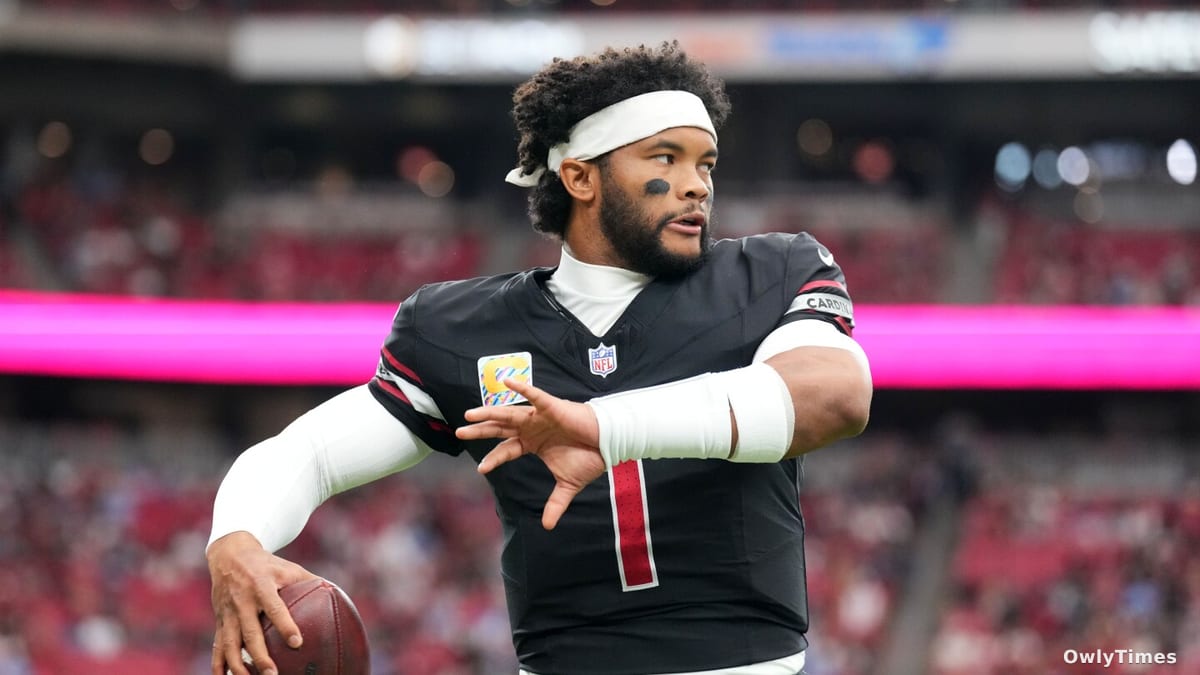
The Combine’s whispers also revealed a surprising level of uncertainty surrounding established stars. Kyler Murray, despite his talent, is likely to be playing for a new team next year, but his destination remains a mystery. The Atlanta Falcons and the Minnesota Vikings have been mentioned, but no clear frontrunner has emerged. The Arizona Cardinals seem content to move on, and Murray himself appears to be open to a one-year “prove-it” deal. This isn’t about a lack of ability; it’s about a player whose career has been derailed by injuries and inconsistent performance. The fact that his future remains so uncertain underscores the volatility of the NFL, where even the most promising careers can be derailed by unforeseen circumstances.
What does all this mean? Beyond the individual rumors and potential trades, the 2026 Combine revealed a league in a state of flux. The unprecedented coaching turnover, the weak quarterback class, and the growing skepticism about established stars have created a sense of uncertainty that will likely define the offseason. Teams are scrambling to adapt, making decisions based on incomplete information and a fear of being left behind. The next few months will be a fascinating test of NFL front offices, a period where calculated risks and desperate gambles will determine the fate of franchises for years to come. The question now isn’t just who will be drafted or signed, but whether these teams can navigate this chaotic landscape and emerge with a clear vision for the future. Will the desperation lead to smart moves, or will we see a flurry of overpays and regrettable decisions? That’s the story to watch as the NFL heads into a truly unpredictable offseason.

