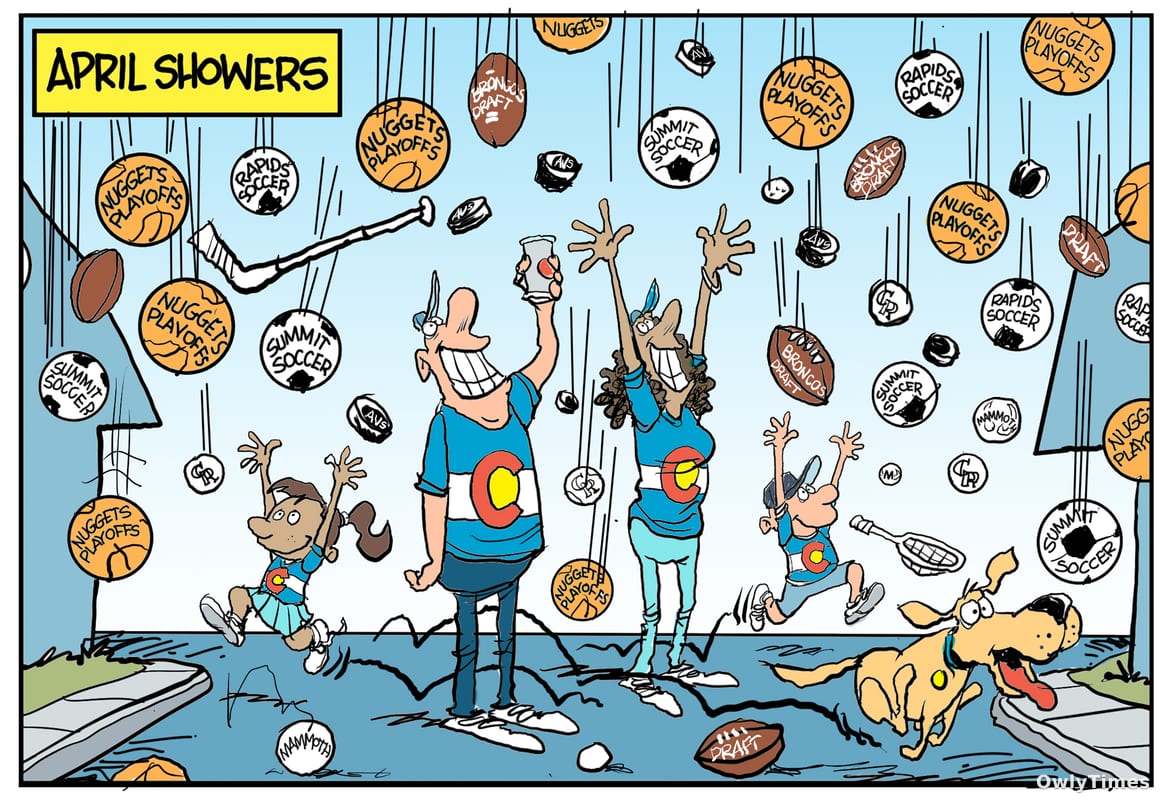

The scratching of a pen on paper rarely feels like a seismic shift, but for decades, the daily sports cartoon has acted as the heartbeat of a city’s relationship with its teams. In a media landscape increasingly dominated by sterile hot takes and rapid-fire social media clips, the art of the editorial cartoon offers something increasingly rare: a singular, human perspective on the absurdities of professional sports. For Drew Litton, this isn't just about capturing a touchdown pass or a strikeout; it is about the emotional architecture of the fan experience.
The Evolution of the Denver Sports Narrative
Litton has spent more than 25 years shaping the visual language of Colorado sports. His tenure as the creator of the "Win, Lose & Drew" cartoon for the Rocky Mountain News turned him into a household name, transforming the often-frustrating reality of regional sports into a digestible, humorous critique. This longevity is an outlier in an industry that has seen the shuttering of local newsrooms and the consolidation of sports media under national conglomerates. By maintaining a presence at KUSA 9NEWS and ColoradoSun.com, Litton continues to prove that regional identity remains a potent commodity in an era of globalized content.
Why Satire Matters in Modern Fandom
Beyond the simple humor of a caricatured quarterback or a disgruntled coach, these cartoons serve as a pressure valve for the public. When teams underperform or management makes baffling decisions, the cartoonist provides a form of catharsis that a traditional news report cannot touch. Litton’s work reflects the tension between the high-stakes financial world of modern athletics and the raw, irrational loyalty of the fans. It is a reminder that sports are fundamentally a form of theater, and every performance deserves a critic who understands the script.
The Resilience of Regional Storytelling
The survival of the sports cartoon in the digital age highlights a critical cultural shift. As news consumption moves toward algorithmic feeds, there is a growing hunger for the personal touch—the "Denver's own" brand of storytelling that Litton embodies. While national networks might cover the same game with the same talking points, a local cartoonist captures the specific, granular frustrations of a community that has lived through decades of wins and losses. This connection between the artist and the audience is what anchors the sports section to the real world, preventing it from drifting into the abstract, data-heavy void of modern sports analysis.
Measuring the Pulse of the Fanbase
The endurance of this craft suggests that local perspective is far from dead. Whether it is the rise of a new star or the firing of a beloved coach, the next cycle of cartoons will serve as a bellwether for the local mood. As long as fans continue to search for someone to distill their collective joy or collective heartbreak into a single, punchy image, the editorial cartoonist will remain a vital observer of the human drama unfolding on the field. The consistency of this output serves as a measurable signal that the appetite for authentic, localized commentary remains stronger than the trend toward homogenized, nationalized sports coverage.

