
The chipped front teeth were the first thing you noticed. Jack Hughes and Quinn Hughes, fresh off their gold medal win at the Milan-Cortina Winter Olympics, grinned wide on the “Saturday Night Live” stage, a testament to the brutal physicality – and celebratory aftermath – of elite hockey. But the smiles felt…complicated. They were there to celebrate a victory, yes, but also to navigate a minefield of recent controversy, a situation subtly, and sometimes not so subtly, acknowledged by host Connor Storrie and the appearance of Megan Keller and Hilary Knight of the US women’s hockey team. This wasn’t just a sports-themed “SNL” episode; it was a carefully constructed commentary on power, recognition, and the shifting landscape of what it means to be a champion in America right now.
A Gold Medal Shadow: Politics on the Ice
The backdrop to this “SNL” debut is anything but lighthearted. Days after the US men’s hockey team secured their first Olympic gold in 40 years, reports surfaced of a celebratory gathering with Kash Patel, the FBI director, raising eyebrows and prompting questions about the intersection of sports and politics. The situation escalated when a call with President Trump took a bizarre turn, with the President joking he’d be “impeached” for not inviting the US women’s team – who also won gold – to the White House, and reportedly eliciting laughter from the men’s team. The women’s team subsequently declined Trump’s invitation to the State of the Union, citing scheduling conflicts, a move widely interpreted as a pointed rejection. The Hughes brothers’ self-deprecating jokes about being too busy playing to watch “SNL” felt like a carefully calibrated attempt to deflect from the brewing storm. It’s a familiar pattern: athletes, often young and unprepared, thrust into the role of political pawns, expected to navigate treacherous waters with a smile and a soundbite.
This piece references the CNN report.
“Heated Rivalry” and the New Face of Representation
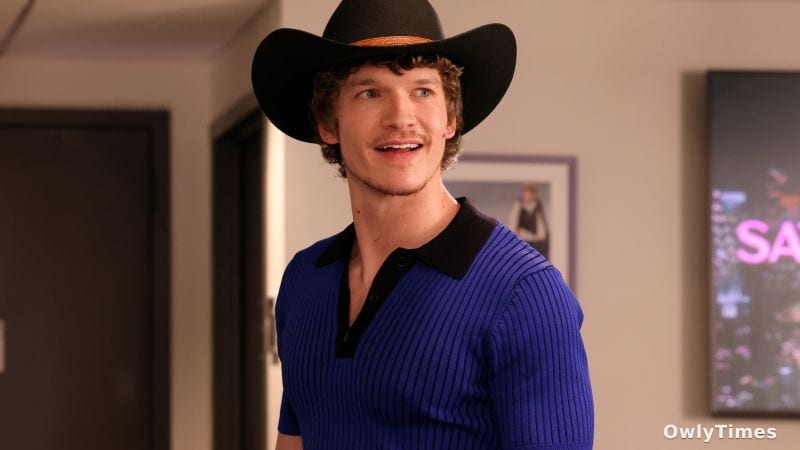
Storrie’s rise to prominence is a story in itself, and central to understanding the episode’s cultural weight. Nine months ago, he was a server in Culver City, Los Angeles, nearly losing his job the day he landed the lead role in “Heated Rivalry.” Now, he’s hosting “SNL,” a testament to the show’s willingness to embrace unconventional talent and, more importantly, to the cultural impact of the series itself. “Heated Rivalry,” a streaming show centered on a gay romance within the world of professional hockey, has done more than just break barriers in onscreen intimacy; it’s fundamentally altered the conversation around masculinity, consent, and the potential for queer representation in mainstream sports narratives. Storrie acknowledged this directly in his monologue, stating the show “speaks to people who are not always represented in hockey,” framing the appearance of Keller and Knight as a deliberate act of inclusivity. The show’s success – it’s already been renewed for a second season – isn’t just about ratings; it’s about filling a void, offering visibility to a community that has historically been marginalized.
Beyond the Jokes: A Power Dynamic on Display
The playful banter between Storrie, the Hughes brothers, Keller, and Knight wasn’t simply comedic timing. Keller and Knight’s pointed reminder that the women’s team won gold “two whole Olympics ago” was a subtle but effective jab at the disproportionate attention afforded to the men’s team. It highlighted a long-standing disparity in media coverage and public recognition, a pattern that extends far beyond hockey. The women’s team’s accomplishments, while celebrated, often feel relegated to a secondary narrative, overshadowed by their male counterparts. This isn’t about diminishing the men’s victory; it’s about demanding equal space and respect for female athletes who consistently achieve at the highest level. The fact that this dynamic played out on the “SNL” stage, in front of millions of viewers, is significant. It wasn’t a direct confrontation, but a carefully coded message, delivered with wit and a knowing glance.
The Accent and the Ascent: Storrie’s Rapid Transformation
Storrie’s performance wasn’t limited to hosting duties. His portrayal of Ilya Rozanov in “Heated Rivalry” – a surly Russian hockey captain – showcased his remarkable linguistic skills, honed in just three weeks before filming. This ability to immerse himself in a role, to convincingly inhabit a different culture, speaks to his dedication and talent. But it also underscores the performative nature of identity in the entertainment industry. Storrie, who is not Russian, is celebrated for his “flawless” accent, while authentic voices are often overlooked. This contradiction isn’t lost on viewers, and it raises questions about who gets to tell whose stories, and who benefits from those narratives. His rapid ascent from server to “SNL” host and Hollywood darling is a modern fairytale, but it’s a fairytale built on a complex system of privilege and opportunity.
This “SNL” episode wasn’t just a celebration of Olympic victories; it was a microcosm of larger cultural tensions. It exposed the uncomfortable intersection of sports, politics, and representation, and it highlighted the power dynamics that continue to shape our perceptions of success and achievement. The question now is whether this moment will translate into lasting change. Will the increased visibility of female athletes lead to more equitable media coverage and investment? Will “Heated Rivalry” continue to pave the way for more nuanced and inclusive portrayals of LGBTQ+ characters in mainstream media? Or will these moments of progress be fleeting, overshadowed by the next controversy and the relentless cycle of the news? The chipped teeth and carefully crafted jokes may fade from memory, but the underlying issues they illuminated will remain, demanding our attention and our action.

