
Beyond the Medals: The Quiet Power of Olympic Partnerships
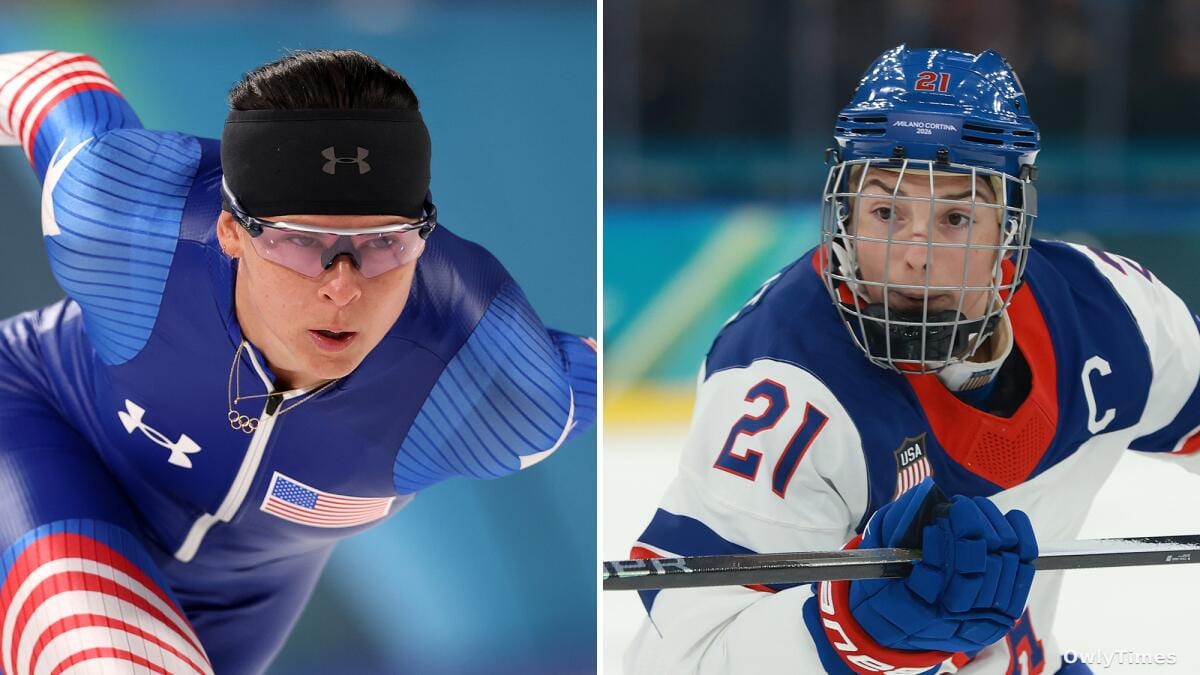
The story of Brittany Bowe and Hilary Knight at the Milan-Cortina Winter Olympics isn’t just about two decorated athletes seeking a final golden flourish. It’s a revealing snapshot of the evolving dynamics within elite sports, the growing visibility of LGBTQ+ representation, and the subtle but significant ways athletes are redefining success beyond the podium. The seemingly minor anecdote of a traffic stop over window tint – a moment where Knight casually “threw the card” of her Olympic status – speaks volumes about the earned respect and quiet influence these athletes wield. This isn’t simply a feel-good story; it’s a demonstration of how athletic achievement intersects with broader cultural shifts.
Background & Context: From Individual Pursuit to Shared Journey
Both Bowe and Knight represent the culmination of decades of dedication to their respective sports. Knight, 36, is a hockey icon with one gold and three silver Olympic medals, alongside a record-tying 14 Olympic goals and ten world championship medals. Her influence extends beyond playing; she was instrumental in founding the Professional Women’s Hockey League (PWHL), a landmark achievement in the fight for professional opportunities for female hockey players. Bowe, 37, transitioned to speedskating in 2010 after a career in inline skating and basketball, quickly establishing herself as a force, holding the world record in the 1,000 meters since 2019 (1 minute, 11.61 seconds). Their paths crossed peripherally at previous Olympic Games, but it was the unique circumstances of the 2022 Beijing Olympics – strict pandemic protocols that encouraged daily walks – that forged a deeper connection. This timing is crucial. The Beijing Games were held under intense scrutiny and isolation, creating an environment where genuine connections were harder to come by, making their bond all the more significant.
This article draws on reporting from the Los Angeles Times.
The Significance of Mutual Admiration and Support
What sets this pairing apart isn’t just their combined athletic prowess – nine Olympic appearances and six medals – but the genuine admiration and support they express for each other. Bowe’s description of Knight as “Captain America,” initially intimidating but ultimately “soft, very gentle, very quiet,” reveals a fascinating contrast between public persona and private character. This dynamic challenges the often-hypermasculine stereotypes associated with elite athletes, particularly in traditionally “tough” sports like hockey. Knight’s public declaration of Bowe as her “favorite Olympian” resonated widely, going viral on social media and highlighting the power of authentic connection. This mutual respect isn’t merely personal; it’s a powerful statement about inclusivity and the importance of celebrating diverse strengths. The fact that Bowe finds herself exhausted from cheering for Knight, potentially forcing a choice between attending the hockey final and her own 1,500-meter race, underscores the depth of her investment in Knight’s success – a level of support rarely seen so openly displayed.
What This Means: Shifting Landscapes in Sports and Representation
The Bowe-Knight story has implications for several stakeholders. For the public, it offers a refreshing narrative of genuine connection and mutual respect in a world often dominated by competitive narratives. For the sports industry, it highlights the growing demand for athlete stories that extend beyond athletic performance, emphasizing personality and values. The visibility of their relationship also contributes to increased LGBTQ+ representation in sports, offering positive role models and challenging societal norms. For policy makers, this story reinforces the need for continued investment in women’s sports and the creation of professional opportunities, as exemplified by Knight’s work with the PWHL. The Milan-Cortina Games, already the most geographically dispersed in history, are becoming a stage for these broader cultural conversations. The fact that their competitions are held in adjacent venues – the Milano Rho Ice Hockey Arena and the Milano Speed Skating Stadium – further symbolizes their intertwined journey.
Looking Ahead: Beyond the Final Lap
As both athletes prepare for their Olympic finales, the narrative surrounding them will likely intensify. While Bowe has openly acknowledged this is her last Games, Knight intends to continue playing in the PWHL, suggesting a continued commitment to growing the sport. The potential conflict between Bowe’s race and the hockey final presents a compelling storyline, forcing a difficult choice that will undoubtedly garner attention. Beyond the immediate results in Milan, the lasting impact of their partnership will be measured by the continued growth of women’s hockey, the increasing visibility of LGBTQ+ athletes, and the broader shift towards valuing authentic connection and mutual support within the world of elite sports. The story of Brittany Bowe and Hilary Knight isn’t just about winning medals; it’s about redefining what it means to be a champion.