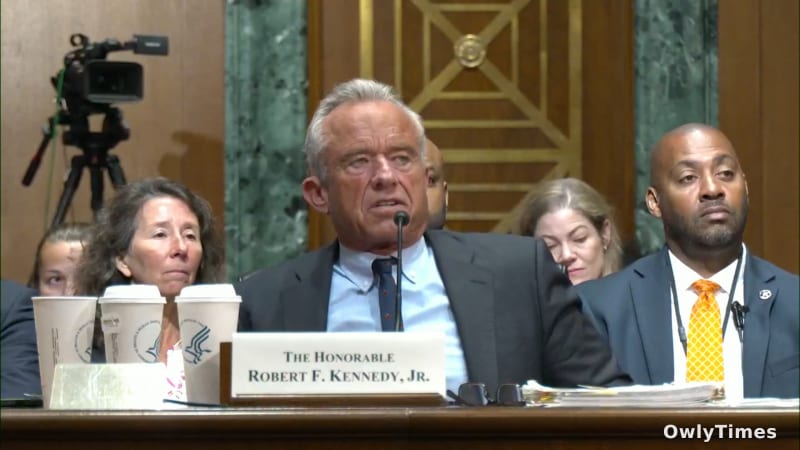

The strategic calculus behind questioning a cabinet official’s social media presence often serves as a proxy for broader concerns regarding administrative seriousness and the vetting of executive priorities. When Senator Maggie Hassan (D-NH) confronted Department of Health and Human Services (HHS) Secretary Robert F. Kennedy Jr. regarding a series of online promotional videos, the move functioned as a pointed critique of the Secretary’s communication strategy. By focusing on the optics of the Secretary appearing alongside Kid Rock, as a professional wrestler, and as a video game character, Hassan effectively redirected the legislative spotlight from policy substance to the decorum and branding of the current HHS leadership.
The Cost of Pop Culture Diplomacy
The primary tension here lies in the disconnect between the traditional expectations of a cabinet-level office and the unconventional, media-centric approach favored by Kennedy. In the political arena, who benefits from this line of questioning is clear: lawmakers like Hassan, who seek to frame the Secretary’s public persona as a distraction from the department’s core mission. Conversely, Kennedy finds himself on the defensive, forced to justify a digital strategy that may resonate with his base but invites institutional scrutiny from the legislative branch.
The reliance on these eight specific videos as evidence of a "promotional" focus suggests that the opposition is looking for any opening to challenge the legitimacy of the current administration's appointments. This is a classic political chess move: if you cannot immediately dismantle an official’s policy platform, you begin by eroding their professional credibility through the lens of their public behavior.
Institutional Friction and Public Perception
The scrutiny of Kennedy’s media choices mirrors historical precedents where the introduction of non-traditional figures into high-ranking cabinet positions triggered immediate friction with the legislative oversight apparatus. Throughout modern history, whenever an executive branch leader has prioritized personal brand-building over the traditional, staid communication styles expected of their office, the result has inevitably been a surge in oversight activity. The Senate’s focus on the aesthetic choices of an HHS Secretary signals that the committee intends to keep the pressure on the department’s executive office, regardless of the legislative agenda.
Navigating the Optics Trap
For the public, the inclusion of pop-culture figures in government-adjacent media creates a volatile mix of entertainment and policy, which often alienates traditional institutionalists. The videos mentioned by Hassan represent a significant departure from the standard press releases or formal briefings typically associated with the Department of Health and Human Services. By documenting these clips, the Senator is building a record of what she perceives as a lack of focus, potentially setting the stage for more stringent guidelines regarding official communications.
The next development in this standoff will be determined by the Secretary’s future digital output. Whether Kennedy continues to leverage these high-engagement, non-traditional media formats or pivots to a more conventional communication strategy will serve as a measurable signal of how much he values his distinct public brand over the comfort of his Senate oversight committees. If the frequency of such promotional content remains unchanged, expect further legislative friction when the Secretary next appears before the committee for budget or policy testimony.





