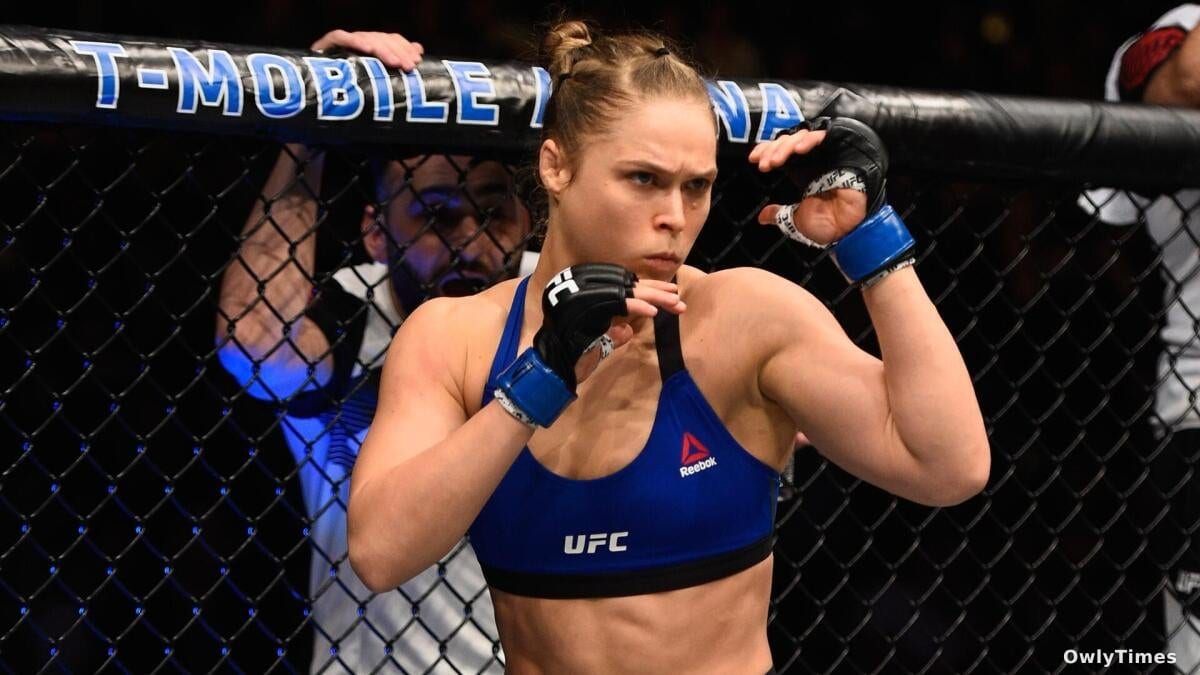

The chipped paint of the Intuit Dome in Los Angeles feels like a fitting backdrop, somehow. Not for a gleaming, modern spectacle, but for a reunion steeped in the ghosts of fights past. On May 16th, Ronda Rousey and Gina Carano will step back into a hexagon cage, not as the fresh-faced pioneers who once captivated a burgeoning audience, but as women returning to a world that has both celebrated and moved on from them. This isn’t just a fight announcement; it’s a cultural artifact, a collision of timelines that speaks volumes about the evolving landscape of women’s combat sports, the allure of nostalgia, and the complicated relationship between athletic prime and enduring fame.
The announcement from Most Valuable Promotions feels less like a sporting event and more like a carefully curated piece of content. Streaming live on Netflix, the fight will unfold over five five-minute rounds, a concession to the years – a decade for Rousey, a staggering seventeen for Carano – since either woman last competed. The decision to grant them championship distance isn’t about fairness in a traditional sense; it’s about spectacle. It’s about giving fans a chance to see if the spark that ignited a revolution can be rekindled, even if the conditions are far from ideal. Consider that women’s MMA viewership has exploded since their initial runs – UFC events now regularly draw over 1 million viewers, a figure unimaginable in the early days of Strikeforce and the UFC’s nascent women’s division. This fight isn’t competing within that established market; it’s attempting to tap into a pre-existing reservoir of recognition and goodwill.
Drawn from CBS Sports.
The narrative surrounding this fight is already thick with layers. Ronda Rousey, once an untouchable force with a 12-2 record and 9 KOs, saw her dominance shattered by consecutive losses to Amanda Nunes in 2016. Her subsequent induction into the UFC Hall of Fame in 2018 felt like a closing of a chapter, a recognition of her impact rather than a promise of a return. More recently, Rousey has been candid about the toll her career took, revealing a history of childhood concussions and questioning whether she’d ever fight again. This comeback, then, feels less like a strategic career move and more like a deeply personal challenge, spurred, according to Gina Carano, by a long-held desire to face her. “Ronda came to me and said there is only one person she would make a comeback for,” Carano stated in a press release, framing the fight as a gesture of respect and a fulfillment of a shared dream.
But the framing doesn’t entirely hold. Carano’s own trajectory has been equally complex. After a promising start to her MMA career, culminating in a 7-1 record with 3 KOs, she suffered her first and only professional loss to Cris Cyborg in 2009. She then transitioned to acting, landing roles in blockbuster films like Fast & Furious 6 and Deadpool. However, her career was derailed by controversial political statements and ultimately led to her dismissal from The Mandalorian in 2021. For Carano, this fight represents a potential re-entry point into the public consciousness, a chance to reclaim a narrative that has been largely defined by off-screen controversies. The fact that she frames the fight as “as much for Ronda and me as it is for the fans and mixed martial arts community” feels like a strategic attempt to position herself as a champion of the sport, rather than simply a participant in a nostalgia act.
Beyond the headlines of a comeback fight, this event underscores a critical tension within combat sports: the commodification of legacy. Both Rousey and Carano built their brands on a foundation of athleticism and authenticity. Now, they’re being asked to repackage that legacy for a streaming audience, to perform the idea of their former selves. The five-round format, the Netflix platform, the carefully crafted press releases – all point to a calculated effort to monetize their past achievements. The question isn’t just whether they can still fight, but whether they can still sell the fight, and whether fans are willing to buy into a narrative that feels both familiar and fundamentally altered by time and circumstance. Will audiences tune in to witness a genuine sporting contest, or a carefully constructed performance of athletic nostalgia? That’s the real fight happening here, and the outcome will likely shape how future combat sports legends navigate the complexities of retirement, comeback, and the enduring power of their own stories.

