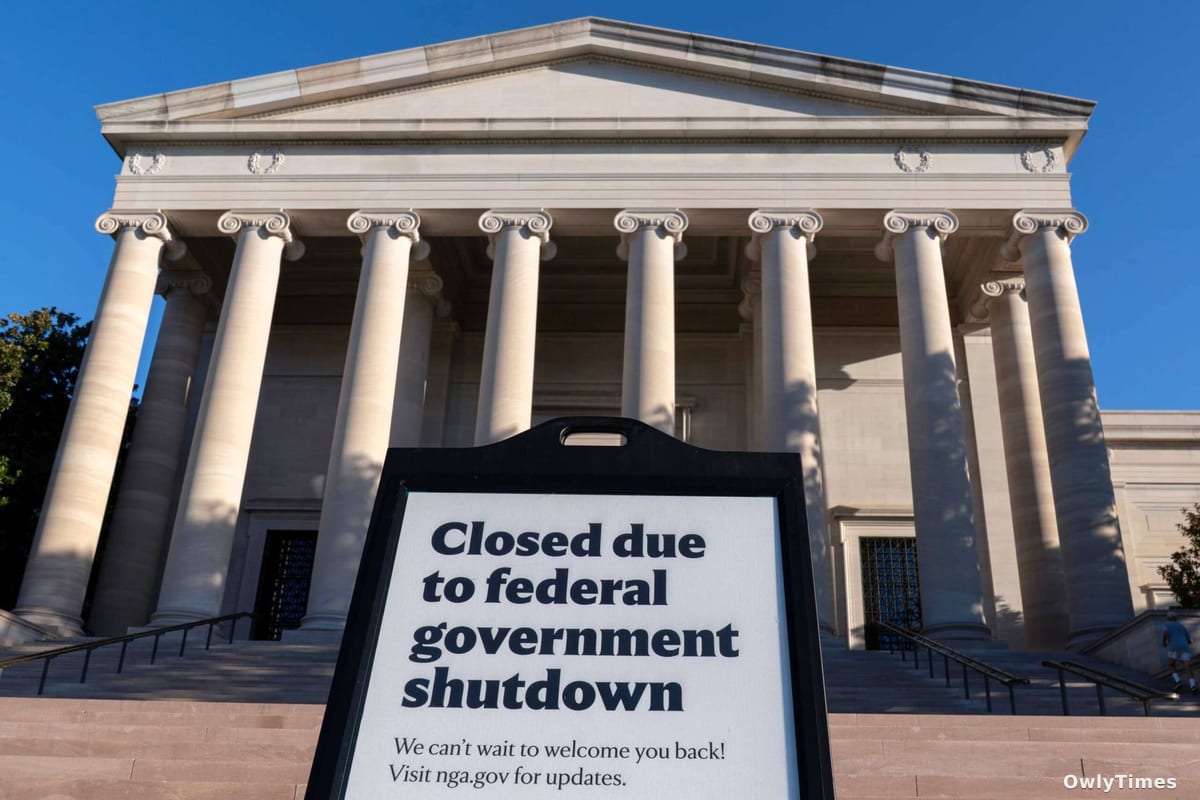

Are we really surprised anymore? The latest Department of Homeland Security shutdown isn’t a glitch in the system – it’s a feature. While Washington bickers over budgets, a quiet, predictable pattern emerges: federal employees, including those serving in vital roles like the Coast Guard and TSA, find themselves caught in the crossfire, forced to navigate missed paychecks and mounting bills. The real story here isn't the political theater of government dysfunction – it's the increasing reliance of ordinary Americans on private institutions to buffer them from the consequences of that dysfunction.
Daniel Diaz, spokesperson for USAA Bank, confirmed the bank has already provided over $14 million in financial relief to thousands of members impacted by the current shutdown, a figure that’s steadily climbing with each missed pay period. This isn’t a new phenomenon. USAA has been stepping in for the last decade, issuing over $450 million in relief during the extended shutdown of October and November 2023 alone. But the sheer repetition of these events is shifting expectations. It’s no longer about if a shutdown will happen, but when, and increasingly, federal employees are preparing accordingly.
Drawn from federalnewsnetwork.com.
The assistance USAA offers isn’t charity; it’s a calculated response to a predictable crisis. Their most popular offering, zero-interest pay loans, aren’t designed as quick fixes to be “clawed back” when back pay finally arrives. Instead, they provide a 60-90 day grace period, recognizing that even with back pay, rebuilding financial stability takes time. This is a crucial detail often lost in the narrative of eventual reimbursement. As Terry Gerton pointed out, the assumption that back pay solves everything ignores the immediate, day-to-day realities of families facing missed mortgage payments, grocery bills, and childcare costs.
What’s particularly striking is the universality of the need. Diaz noted that demand for assistance is coming “from across the entire spectrum of income levels.” This isn’t just about low-wage TSA agents, though their struggles are particularly acute. It’s about middle-class Coast Guard civilians, FEMA employees, and others who, despite holding stable jobs, lack the financial cushion to weather weeks without income. The fact that a financial institution like USAA is consistently providing this safety net speaks volumes about the inadequacy of the existing system. It’s a private-sector workaround for a public-sector failure.
The trend isn’t just about reactive assistance, either. USAA is seeing a marked increase in proactive planning among its members. Employees are building emergency funds, exploring options for payment extensions with lenders, and, crucially, re-evaluating their banking relationships. They’re learning to anticipate the inevitable and seek out institutions willing to offer support during these recurring crises. This isn’t a sign of confidence in the government; it’s a pragmatic response to a predictable pattern of instability. The questions USAA’s financial advisors are fielding now aren’t just about accessing assistance, but about reducing spending and strategically deploying savings.
This isn’t simply a financial issue; it’s a matter of trust. Diaz highlighted the repeated question from members: “Can I continue to count on you?” After multiple shutdowns, USAA has established itself as a reliable partner, a stark contrast to the perceived unreliability of the political process. This is a dangerous dynamic. While it’s commendable that private institutions are stepping up, it shouldn’t be their responsibility to consistently bail out the government’s failures. It creates a system where financial security is increasingly dependent on choosing the “right” bank, rather than on a functioning government.
Looking ahead, expect this pattern to accelerate. The current political climate offers little hope for a lasting solution to the shutdown cycle. Therefore, watch for a surge in financial products specifically designed to mitigate the impact of government instability. We’ll likely see more banks offering similar zero-interest loan programs, and a rise in financial planning services geared towards federal employees. But the crucial question isn’t what banks will offer – it’s whether the government will ever offer its employees the basic financial security they deserve. Will federal workers begin factoring potential lost wages into their career choices, actively seeking jobs outside of government service? That’s the breaking point we’re rapidly approaching.





