
British Prime Minister Keir Starmer’s resolute vow to "get on with governing" at a crucial cabinet meeting on May 12, 2026, represents a calculated strategic maneuver to project stability and control amidst a deepening internal crisis for the Labour Party. This declaration, made in the immediate aftermath of significant local election losses and mounting calls for his resignation, aims to consolidate his remaining authority while simultaneously challenging his detractors to escalate their opposition. It’s a classic political gambit: dare your challengers to move first, risking further internal division or a perceived power grab.
Starmer's Defiance Amidst Labour's Internal Strife
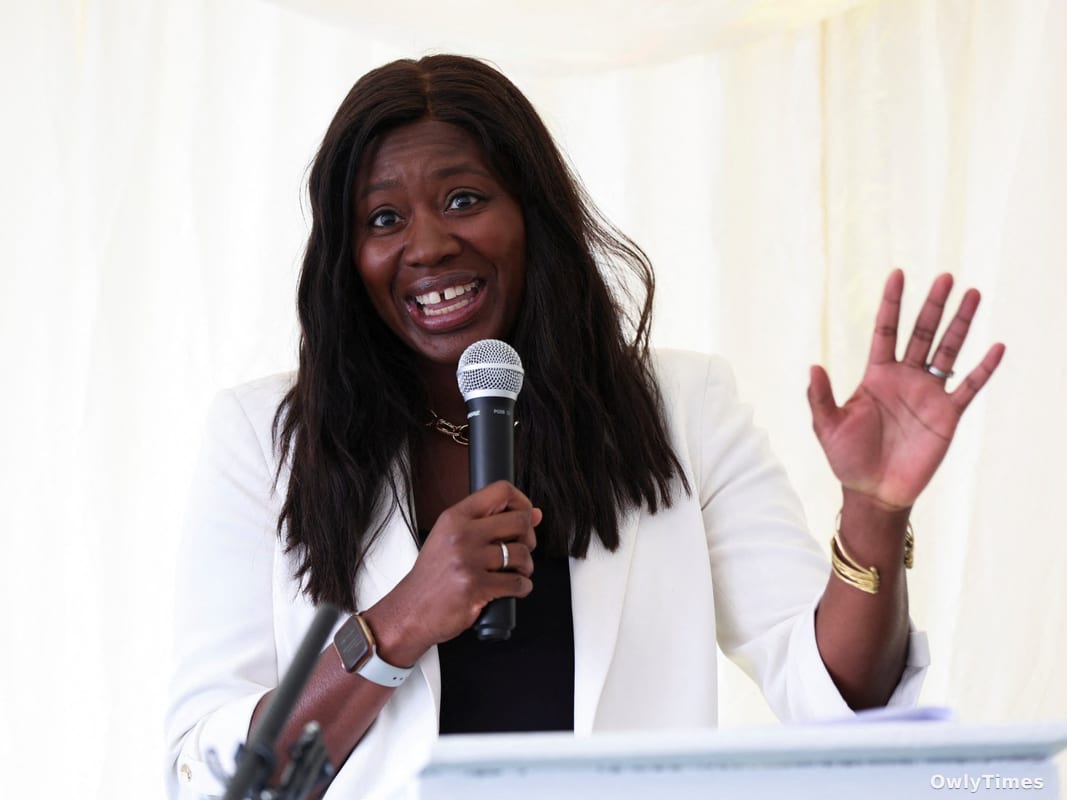
The pressure on Starmer is palpable, stemming directly from the Labour Party’s poor performance in recent local elections. Such electoral setbacks often trigger leadership challenges, but the current situation is complicated by the swift and public resignation of junior minister Miatta Fahnbulleh, the first politician to step down from the United Kingdom government in this particular crisis. Fahnbulleh’s departure signals a crack in the party's façade of unity, providing a visible focal point for dissent. Her resignation is not merely an act of protest but a strategic move that provides cover for other potential internal critics, legitimizing the notion that Starmer’s leadership is no longer viable. Concurrently, a substantial bloc of 79 MPs has openly urged Starmer to articulate a timeline for his departure, transforming what might have been backroom grumbling into a public demand for accountability and change.
The Calculus of Resignation: Fahnbulleh's Strategic Exit
Miatta Fahnbulleh’s decision to resign carries significant weight, positioning her as a principled voice willing to challenge the party leader during a moment of vulnerability. For Fahnbulleh, this move allows her to distance herself from a potentially failing leadership, appealing to a faction within the party that believes a change at the top is necessary for Labour's future electoral prospects. Her public resignation puts direct pressure on other fence-sitting MPs, forcing them to consider their own loyalty and whether remaining in government aligns with their political ambitions or their constituents' desires. It’s a high-stakes gamble that could either elevate her profile as a potential future leader or isolate her if Starmer manages to weather the storm. The immediate effect, however, is to intensify the internal scrutiny on the Prime Minister.
Who Gains and Who Risks Losing Ground
In this unfolding political drama, the lines of benefit and loss are sharply drawn. Prime Minister Starmer benefits if his defiance holds, projecting an image of resilience and leadership capable of steering the party through adversity. His continued presence, despite the pressure, might also appeal to a segment of the electorate that values stability over internal party squabbles. However, he risks further erosion of his authority if more ministers follow Fahnbulleh’s lead or if the bloc of 79 MPs gains more support. The 79 MPs calling for his departure stand to gain if their collective pressure forces Starmer out, demonstrating their influence and potentially paving the way for a leadership contest that could reshape the party’s direction. Yet, if Starmer manages to cling to power, these MPs risk being marginalized or seen as disloyal. The Labour Party as a whole, as reported by Al Jazeera, suffers the most immediate damage, with internal divisions potentially undermining its public image and capacity to effectively govern or oppose. Such public infighting often erodes voter confidence, a critical asset for any political party seeking to maintain its mandate or challenge the ruling power.
The Next Move on the Political Chessboard
The immediate political chess move to watch will be Starmer's response to the 79 MPs' demand for a timetable for his departure. His continued silence on this specific issue, or a direct refusal, will signal his intent to fight for his leadership, potentially escalating the conflict. Conversely, any indication of compromise or an agreement to review his position could be interpreted as a weakening of his stance, emboldening his internal critics. The actions of other key figures within the Labour Party, particularly senior cabinet members and influential backbenchers, will also be critical indicators. Their public statements or lack thereof in the coming days will reveal whether Fahnbulleh’s resignation is an isolated incident or the first tremor of a broader wave of dissent that could force a leadership contest. The future direction of the Labour Party) and the stability of the UK government now hinge on how these internal pressures manifest and are managed in the days and weeks ahead.





