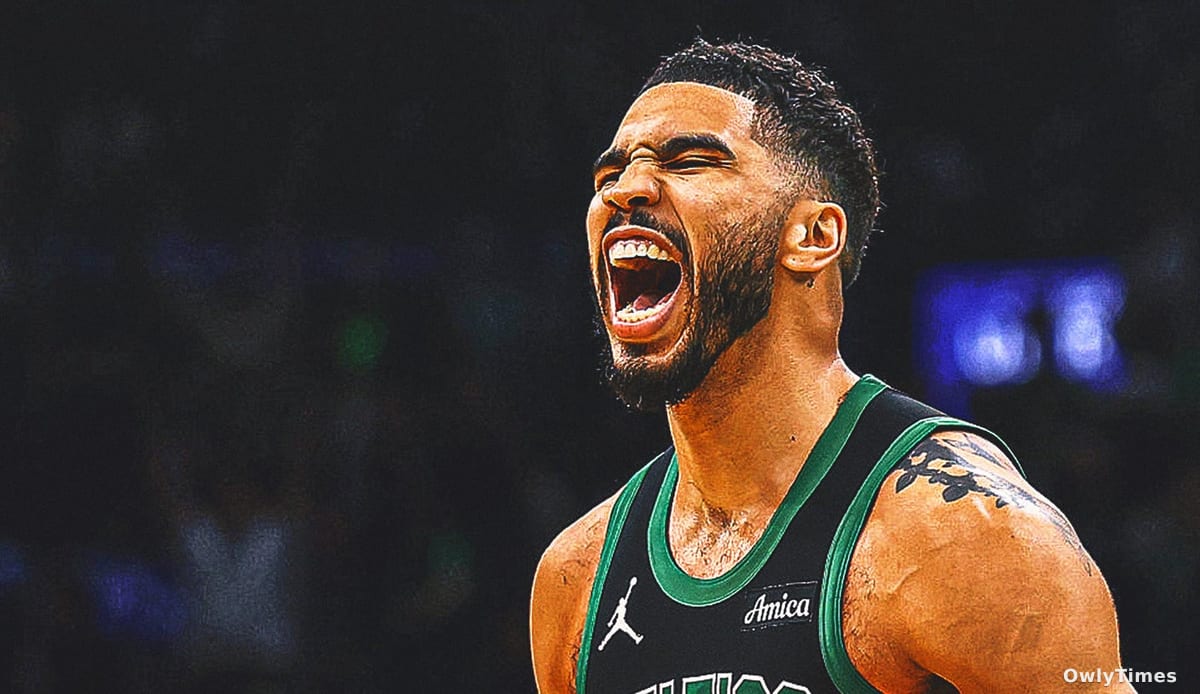

The chipped paint on the stanchions of a nearly empty practice gym in Portland, Maine, held a quiet tension this week. It wasn’t the usual G-League hustle; it was the ghost of a championship team, materialized in the form of Jayson Tatum, testing the rebuilt architecture of his right leg. For months, the basketball world has operated under the assumption that the Boston Celtics’ star wouldn’t return this season, felled by a devastating Achilles rupture in May. But the whispers have grown to a roar, and now, even the sportsbooks are taking notice – and offering odds on how he’ll score his first basket. This isn’t just about basketball; it’s about the evolving relationship between athletic recovery, fan expectation, and the increasingly sophisticated world of sports betting.
The Market Speaks: From Longshot to Contender
When Jayson Tatum went down in Game 4 of the Eastern Conference semifinals last year, the Celtics’ championship hopes seemed to crumble with him. Sportsbooks reflected that despair, pricing Boston at a distant +8000 to win the NBA title entering this season – essentially a 125-to-1 longshot. That number wasn’t just a calculation of their on-court strength; it was a direct assessment of the void left by a player who’d averaged over 26 points per game for five consecutive seasons and led the team to a championship in 2024. But something remarkable happened. Boston didn’t collapse. They adapted, and currently hold the fourth-best record in the NBA, sitting second in the Eastern Conference. Now, FanDuel has slashed their title odds to +1200, placing them among the top contenders, trailing only the Oklahoma City Thunder, Denver Nuggets, and San Antonio Spurs. This dramatic shift isn’t solely due to the team’s resilience; it’s fueled by the growing conviction that Tatum is on the verge of a return.
Based on the original foxsports.com report.
Beyond the Headlines: The Psychology of the Comeback
The odds offered by FanDuel – +190 for a three-pointer or “Other,” +380 for a layup, and a distant +1600 for a dunk – are more than just betting opportunities. They’re a fascinating window into how we expect a player to re-integrate after a catastrophic injury. The slight favoritism towards the three-pointer suggests a cautious return to form, a reliance on Tatum’s established strengths rather than high-risk, explosive moves. It’s a subtle acknowledgement of the mental and physical hurdles he faces. We’re not just betting on if he’ll score, but how he’ll reassert himself. This is a departure from the traditional narrative of the triumphant, immediate return to dominance. The market is pricing in a measured re-entry, a gradual rebuilding of confidence. The fact that “Other” is tied with the three-pointer also speaks to the uncertainty; Tatum’s return could look very different than his pre-injury self.
The Ripple Effect: Detroit and the Eastern Conference Landscape
The timing of Tatum’s potential return is particularly intriguing. The Detroit Pistons, surprisingly leading the Eastern Conference, are only five games ahead of Boston as of February 24th. While the Pistons are a young, developing team, a fully healthy Celtics squad, spearheaded by Tatum, would instantly become the favorites in a potential playoff matchup. This isn’t just about individual player performance; it’s about the psychological impact of having a proven champion back in the mix. The Pistons’ success story, built on potential and growth, would be immediately challenged by a team that already knows how to win. The betting market reflects this, subtly shifting the power dynamic in the East even before Tatum has officially stepped back onto the court. The question isn’t just whether Tatum can return to his former glory, but whether his presence will deflate the momentum of a team that’s dared to dream.
What This Moment Reveals About the Future of Sports
Jayson Tatum’s recovery and the subsequent reaction from the sports betting world highlight a fundamental shift in how we consume and engage with athletics. We’re no longer content to simply follow the game; we want to predict it, quantify it, and invest in it. The speed with which FanDuel adjusted its odds demonstrates the market’s sensitivity to even the smallest signals of progress. This isn’t just about maximizing profits; it’s about providing fans with a more immersive and interactive experience. But it also raises questions about the ethical implications of betting on player health and recovery. Where do we draw the line between informed speculation and exploiting an athlete’s vulnerability? As sports betting becomes increasingly integrated into the fabric of the game, we need to consider the potential consequences for both players and fans. Will we see a future where every practice, every rehab session, is scrutinized not just by coaches and trainers, but by a global network of bettors? That’s the scenario the industry – and the players themselves – need to prepare for.

