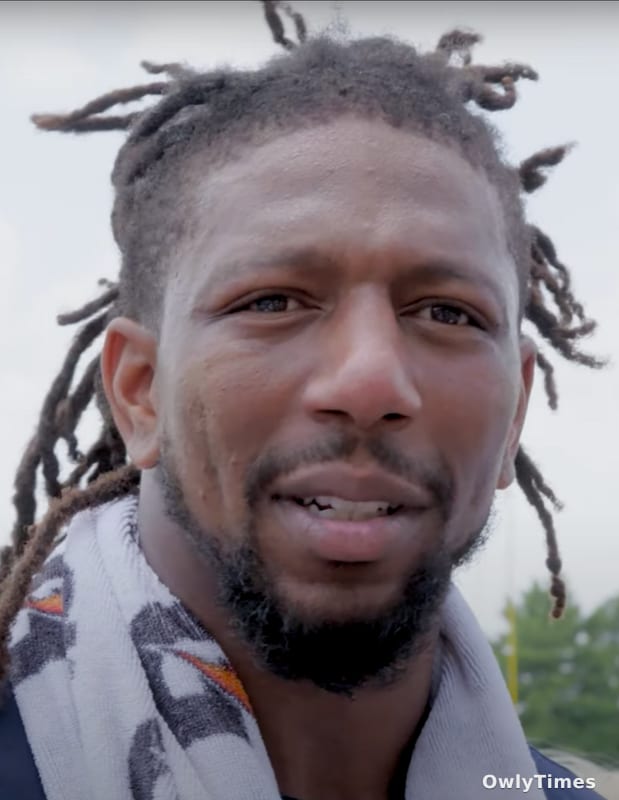

The grass at the team facility is freshly manicured, the rookie minicamp jerseys are crisp, and the weight of an entire franchise rests squarely on the shoulders of Cam Ward. After a rookie season that saw their young quarterback often left to fend for himself against relentless pass rushes, the Tennessee Titans entered this offseason with a singular, desperate mission: stop wasting their most valuable asset. The front office arrived at this year's cycle with more spending power and draft capital than almost any of their league peers, signaling a clear shift from passive rebuilding to aggressive protection.
A Massive Injection of Talent for the Passing Game
The headline move was undoubtedly the decision to overhaul the wide receiver room. The Titans didn't just tinker; they committed, handing Wan'Dale Robinson a significant contract in free agency to serve as the reliable safety valve in the slot. To stretch the field, they utilized the No. 4 overall pick in the 2026 NFL Draft to secure Carnell Tate, a high-ceiling prospect intended to become the primary outside threat.
When you factor in the decision to restructure Calvin Ridley, it becomes clear that Tennessee is betting everything on the idea that a high-volume passing attack can mask other deficiencies. Jared Dubin of CBS Sports noted that while the investment in these playmakers is substantial, the ultimate success of these maneuvers hinges on a basic football reality. If the protection fails, even the most elite receiving corps will find themselves relegated to spectators on the sideline.
Rebuilding the Trenches and the Backfield
Beyond the glamour of the wideouts, the real grit of the offseason occurred in the interior of the line and the backfield. The team moved to stabilize the center and guard positions by signing Austin Schlottman and Cordell Volson during free agency. They doubled down on that depth by drafting Pat Coogan and Fernando Carmona on Day 3, a clear signal that the team is prioritizing competition in the trenches.
The tight end room also saw a complete makeover following the departure of Chig Okonkwo. By bringing in both Daniel Bellinger and Kylen Granson, the coaching staff is clearly searching for a specific schematic fit to assist in both pass protection and red-zone efficiency. Meanwhile, the running game will look markedly different with the arrival of veteran Michael Carter and the selection of rookie Nick Singleton. This represents a total reset of the supporting cast, moving away from the roster construction that left Ward exposed throughout his inaugural campaign.
The Lingering Question of Protection
Despite the influx of new faces, the most critical variable remains the offensive line’s ability to jell before the regular season kicks off. While the sheer volume of resources poured into the unit is impressive, the transition from paper to the gridiron is rarely seamless. The front office clearly recognized that they owed Ward a better environment, yet the lingering concerns regarding the cohesion of these new blockers remain the primary obstacle to his development.
As the team navigates through these initial training sessions, the effectiveness of these personnel shifts will be tested in real-time. The next reading of the team's offensive line performance during the upcoming training camp sessions will show whether the front office’s aggressive spending has finally provided their franchise signal-caller with the foundation he needs to thrive. The pieces are on the board, but for a quarterback who has already endured one difficult year of trial by fire, the only metric that matters now is his ability to stay upright and deliver the ball to his new targets.

