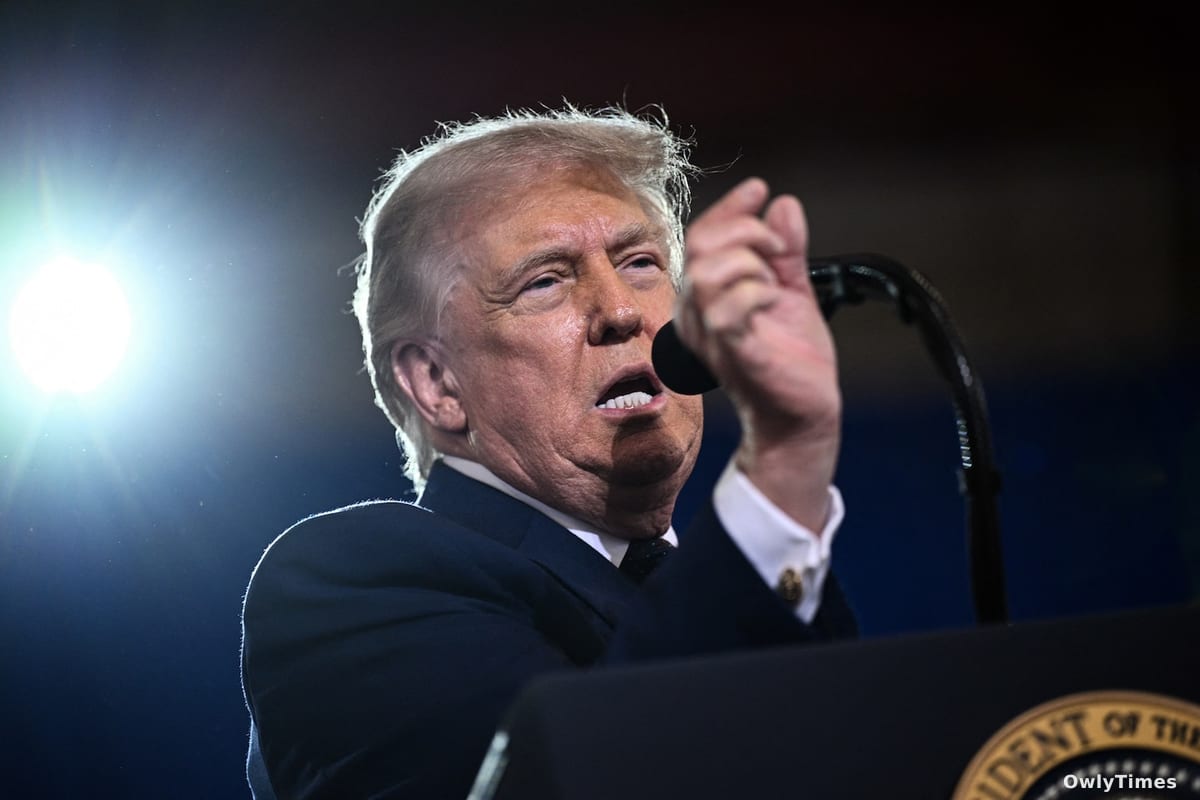

The strategic calculus behind Donald Trump’s appearance in Suffern, New York, on May 22, 2026, rests on a calculated attempt to reclaim the suburban narrative. By anchoring his platform in specific tax deductions, the President is moving to mitigate the electoral vulnerability that often plagues the GOP in swing districts. The goal is to shift the conversation from cultural friction to kitchen-table economics, a pivot designed to broaden the party’s appeal beyond its traditional base.
Tax Policy as a Suburban Wedge
The President’s focus on new tax deductions serves as a direct effort to court voters in the New York metro region, an area where the cost of living frequently dominates local political discourse. According to the Washington Post report, the administration is betting that these financial incentives will provide a tangible reason for suburbanites to align with Republican candidates. Who benefits in this scenario is clear: the administration hopes for a surge in support from middle-income households that have felt the squeeze of recent inflationary pressures. Those who lose, by the President's own framing, are the political opponents who prioritize broader regulatory agendas over direct tax relief.
The Calculus of Swing District Rallies
Choosing a battleground district like Suffern reflects the party’s recognition that their legislative success hinges on suburban margins. This approach is reminiscent of the political strategies employed during the 2008 financial crisis, where candidates on both sides of the aisle scrambled to present themselves as the primary defenders of the average homeowner's fiscal stability. By highlighting these specific tax policies, the President is attempting to re-establish the party’s brand as the architect of economic growth. The risk, however, is that mixing this economic messaging with the culture-war themes often present at his rallies may alienate the very moderate voters he seeks to capture.
Balancing Economic Rhetoric and Political Base
The tension within the campaign lies in the duality of the message. While the administration points to the millions of voters it expects to benefit from these tax changes, critics often argue that such proposals lack the structural depth required for long-term economic stability. The contradiction is visible in the rally’s tone: the President uses the economic podium to appeal to the center, while simultaneously leaning into the rhetoric that keeps his primary supporters energized. This dual-track strategy is a high-wire act, where the benefits of turnout must be weighed against the potential loss of independent voters.
Indicators of Future Electoral Success
As the administration pushes this economic message, the next reading of voter sentiment in suburban battlegrounds will show whether the tax deduction pitch is gaining traction. The effectiveness of this move will be measured by the ability of local Republican candidates to translate the President’s national platform into a compelling argument for the local electorate. If the polling data in these swing districts shows a shift toward the GOP, it will likely signal a wider adoption of this tax-centric strategy across other competitive regions. The political chess move to watch next is how the Democratic opposition counters this economic framing, specifically whether they focus on the long-term sustainability of these tax cuts or shift the debate toward government spending and the national debt.





