
The assertion that climate change doesn’t pose a threat to human health isn’t a debate about scientific uncertainty – it’s a deliberate misrepresentation of a rapidly solidifying body of evidence. While headlines often focus on melting glaciers and rising sea levels, the immediate and escalating impacts on public health are the most pressing, and often overlooked, consequences of a warming planet. The recent move by the Trump administration to rescind the 2009 endangerment finding – the formal acknowledgement that greenhouse gases endanger public health and welfare – isn’t simply a rollback of environmental regulation; it’s a direct challenge to established medical and scientific understanding, and a dangerous gamble with the well-being of the American population.
As physicians, epidemiologists, and environmental health scientists, we’ve observed a clear and concerning trend: the increasing convergence of climate change and adverse health outcomes. The fundamental mechanism is straightforward. Greenhouse gases, released from sources like vehicles and power plants, trap heat in the atmosphere, leading to rising global temperatures. This isn’t a distant future scenario; it’s a present-day reality manifesting in increasingly frequent and intense extreme weather events, and a gradual but pervasive shift in environmental conditions that directly impact human physiology. The World Health Organization has long documented these connections, but the scale and speed of change are now exceeding previous projections.
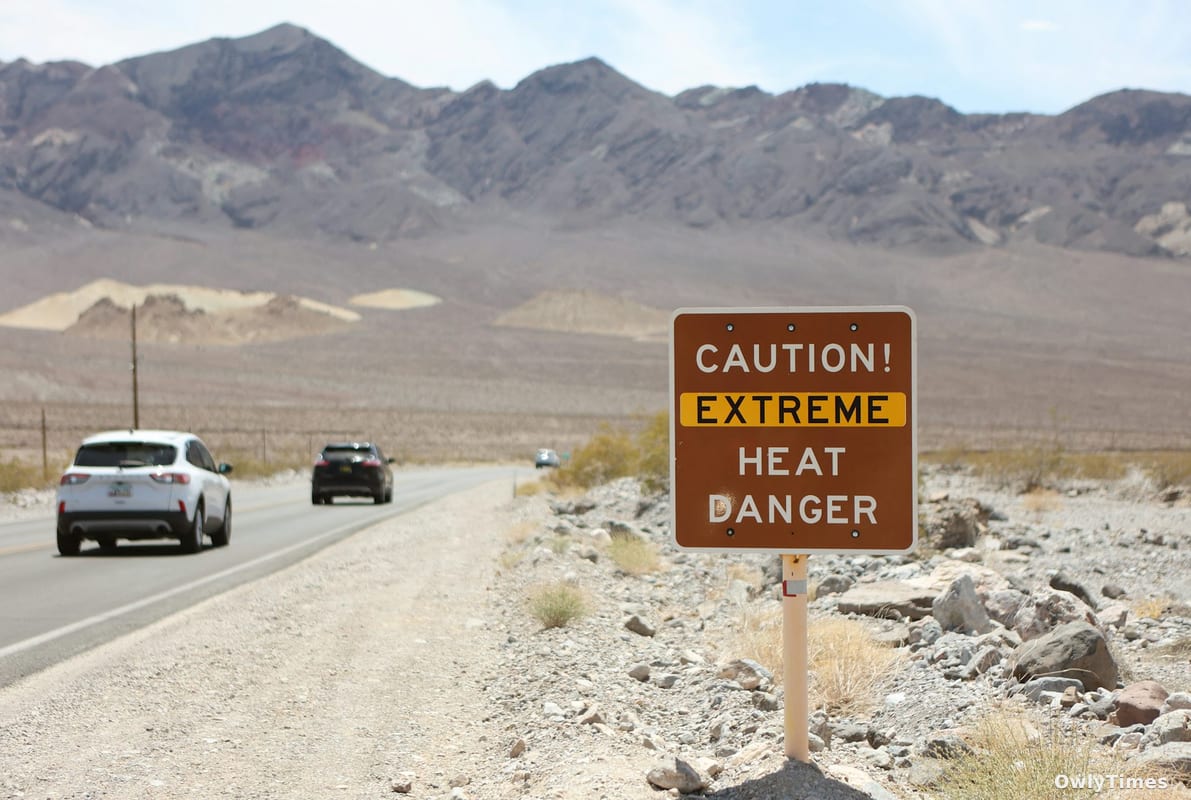
One of the most direct and visible impacts is the rise in heat-related illnesses and deaths. Globally, these deaths increased by 23% between the 1990s and the 2010s, with over half a million heat-related deaths recorded annually in the latter decade. The 2021 Pacific Northwest heat dome, which resulted in hundreds of fatalities, served as a stark warning of the vulnerability of even traditionally temperate regions. Climate models predict that cities like Miami, Houston, Phoenix, and Las Vegas will face a dramatically increased number of dangerously hot days each year, pushing the limits of human survivability. It’s crucial to understand this isn’t simply about discomfort; prolonged exposure to extreme heat can overwhelm the body’s cooling mechanisms, leading to organ failure and death, particularly among vulnerable populations like the elderly, outdoor workers, and those with pre-existing health conditions.
Beyond direct heat exposure, a warming climate exacerbates existing health threats and introduces new ones. Warmer air holds more moisture, leading to more intense rainfall, flooding, and hurricanes. These events aren’t just destructive; they create breeding grounds for waterborne diseases, contaminate water supplies with pathogens and toxic chemicals, and expose individuals to mold and other hazards during cleanup efforts. Conversely, climate change also fuels droughts, disrupting food supplies and increasing respiratory illnesses due to dust storms. The resulting wildfires, increasingly common in regions like the Western United States, release a toxic cocktail of particulate matter and hazardous compounds into the air, triggering heart attacks, exacerbating lung conditions, and increasing the long-term risk of cancer.
Reporting from hcn.org informs this analysis.
The impact extends to infectious diseases as well. Rising temperatures expand the geographic range and breeding seasons of disease vectors like mosquitoes, leading to the emergence of mosquito-borne illnesses like dengue fever and chikungunya in previously unaffected areas of the U.S. – Florida, Texas, Hawaii, Arizona, and California have all reported cases of dengue, and New York recently saw its first locally acquired case of chikungunya. This isn’t limited to insect-borne diseases; warmer temperatures also promote the growth of bacteria like Vibrio cholerae, increasing the risk of diarrheal diseases, while drought conditions in the Southwest elevate the risk of fungal infections like valley fever.
It’s important to note that these impacts aren’t distributed equally. Lower-income communities and individuals with pre-existing health conditions are disproportionately vulnerable due to higher rates of chronic disease, increased exposure to environmental hazards, and limited access to resources for protection and medical care. The administration’s rollback of climate regulations, including emissions limits on vehicles, directly undermines efforts to address these disparities and protect public health. The argument that climate change doesn’t endanger health isn’t simply inaccurate; it’s a policy choice that prioritizes short-term economic gains over the long-term well-being of the population.
The evidence linking climate change to health is now incontrovertible, and the consequences are already being felt. However, framing this as solely a threat overlooks a critical opportunity. Actions taken to mitigate climate change – transitioning to cleaner energy sources, promoting sustainable transportation, and investing in resilient infrastructure – also yield significant health benefits. Cleaner air reduces rates of heart and lung disease, increased physical activity improves overall health, and a more sustainable food system enhances nutrition. The question isn’t whether we can afford to address climate change, but whether we can afford not to.
Looking ahead, research needs to focus on developing more precise predictive models to identify communities most at risk from specific climate-related health threats. We need to invest in public health infrastructure to improve surveillance of infectious diseases, enhance emergency preparedness, and expand access to healthcare for vulnerable populations. Crucially, we need to move beyond simply documenting the problem and actively implement policies that reduce greenhouse gas emissions and promote a healthy, sustainable future. The next step isn’t to debate the existence of the threat, but to determine how quickly we can adapt and mitigate, and what the cost of inaction will truly be – measured not just in dollars, but in human lives.