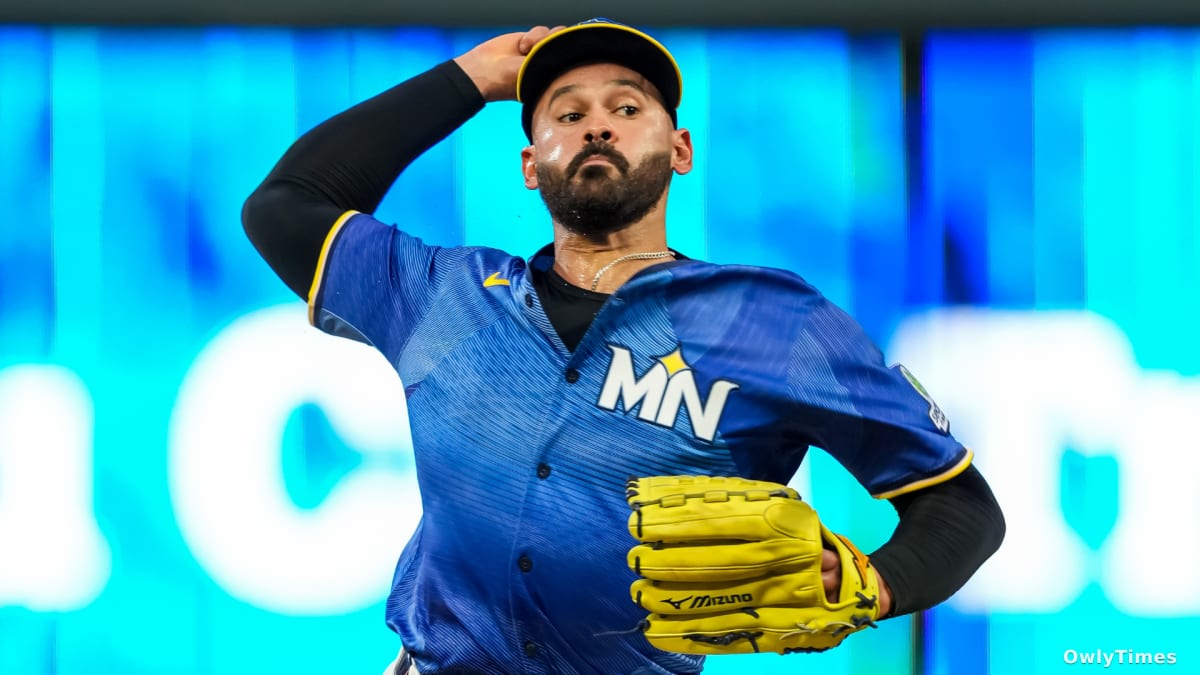

26.0%. That’s the revised probability, according to FanGraphs projections, of the Minnesota Twins reaching the postseason following the announcement that right-hander Pablo López will undergo his second Tommy John surgery next Wednesday. While the injury itself isn’t unexpected given a recent UCL tear, the financial implications – and the resulting strategic constraints – are what truly define the scale of this setback for the Twins. This isn’t simply about losing a pitcher; it’s about $43 million in salary tied to an arm that won’t be contributing on the mound for the foreseeable future, effectively freezing a key asset and reshaping the team’s trade leverage.
The Cost of Reliability: López’s Contract and the Injury Timeline
López signed a four-year, $73.5 million extension in April 2023, a deal that, at the time, solidified a cornerstone of the Twins’ rotation. He was coming off a stellar 2022 season and had established himself as one of the most durable starters in baseball, ranking seventh in innings pitched (559 ⅓) from 2022-2024 with 32 starts each year. Now, entering his age-30 season, López faces a 14-18 month rehabilitation process. The timing is particularly brutal, as he’s owed $21.5 million in both 2026 and 2027. This isn’t a case of a short-term injury impacting a single season; it’s a multi-year financial commitment to a player unable to perform. To put this in perspective, the Twins’ entire payroll in 2023 was approximately $168 million. The López contract represents over 13% of that total, allocated to a player sidelined for an extended period.
Based on the original CBS Sports report.
Beyond the Rotation: The Ripple Effect on Trade Strategy
General Manager Jeremy Zoll acknowledged the disappointment, stating, “Obviously it’s really disappointing news… Huge blow for him.” But the blow extends far beyond López’s personal setback. The injury effectively renders him untradeable for at least the next 18 months. While a healthy López could have commanded a significant return in prospects, his current condition and future salary make him an unattractive asset for other teams. This dramatically alters the Twins’ potential mid-season strategy. Right-hander Joe Ryan, who has been the subject of trade rumors for over a year, now becomes the most valuable pitching asset in Minnesota’s system. The Twins face a critical decision: hold onto Ryan and risk further injury, or capitalize on his remaining two years of control while his value is still high. The López situation underscores the fragility of player value – two years of control can vanish quickly, as evidenced by this injury.
A Rotation Under Pressure: Filling the Void
The Twins’ updated rotation depth chart, featuring Joe Ryan, Bailey Ober, Simeon Woods Richardson, Taj Bradley, Zebby Matthews, Mick Abel, and David Festa, presents a mix of potential and uncertainty. While there’s talent within the system, replacing a workhorse like López requires more than just raw ability. The Twins went 70-92 last season, signaling a rebuilding phase, and sold off 10 members of their active roster at the trade deadline. The current roster lacks the offensive firepower to consistently support a pitching staff that is now demonstrably thinner. The success of this rotation hinges on its ability to consistently deliver quality starts and alleviate pressure on a potentially anemic offense and a bullpen lacking proven late-inning options.
What This Means for Your Wallet
The Pablo López injury isn’t just a baseball story; it’s a microcosm of the financial risks inherent in long-term player contracts. For Twins fans, this translates to a potentially prolonged rebuilding period and diminished postseason hopes. More broadly, it highlights the increasing gamble teams take when awarding substantial contracts, even to seemingly durable players. Expect to see teams become more cautious with multi-year deals, potentially shifting towards shorter-term contracts with performance-based incentives. The question now is: will the Twins prioritize maximizing the return on Joe Ryan before his value depreciates further, or will they gamble on their internal pitching depth to contend in a competitive AL Central? The answer will likely determine the trajectory of the franchise for years to come.

