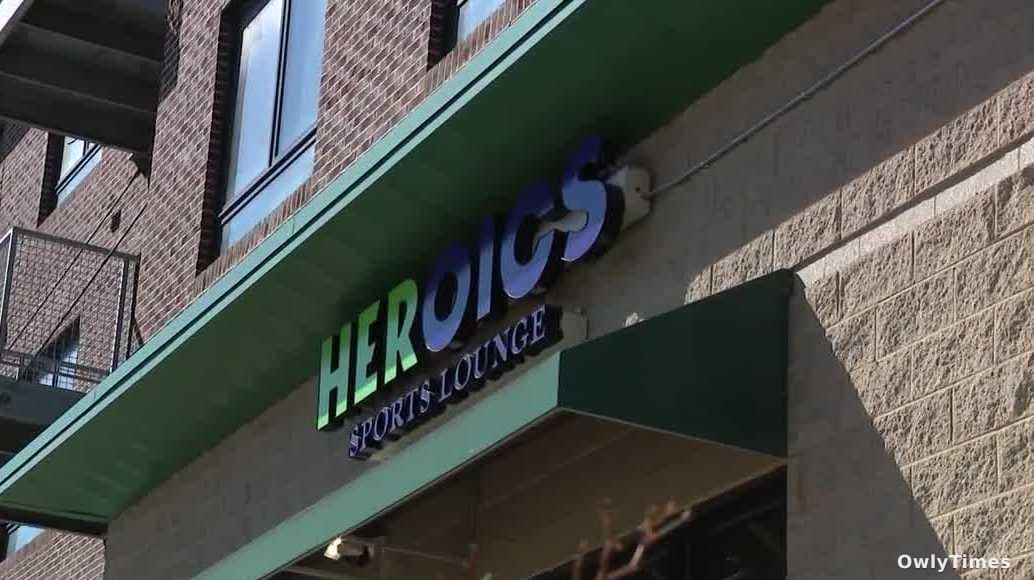

The roar wasn’t just for UCLA securing their first NCAA women’s basketball title on April 6th, 2026. It was a sound born of years of quiet frustration, of scouring streaming services and hoping local bars would tune in, of actively seeking a space to celebrate athleticism often relegated to the margins. At Heroics Sports Lounge on Ingersoll Avenue in Des Moines, Iowa, that search ended, and the collective exhale of a fanbase finally had a venue. The packed lounge wasn’t simply witnessing a championship game; it was participating in a cultural shift, a tangible demonstration of demand that’s reshaping the sports landscape.
A Void Filled: The Rise of Women’s Sports-Focused Spaces
For Lael Neal of Urbandale, the significance was stark. “I love the fact that I can come here and watch women’s sports,” she said, a sentiment echoed by countless others crammed into the lounge. “It’s like the only place in town you can guarantee to turn on the TV and have women’s sports here.” This isn’t hyperbole. Until recently, finding a public space consistently broadcasting women’s games was a scavenger hunt. While viewership numbers for women’s college basketball have surged – the 2024 championship game between Iowa and South Carolina drew a record 9.95 million viewers, a 90% increase from the previous year – that visibility hasn’t automatically translated into accessible viewing options. Heroics isn’t just capitalizing on existing demand; it’s actively cultivating a community where that demand can flourish. The bar’s promotional strategy, emphasizing “big screens, cold drinks, and a high-energy atmosphere,” is smart, but the core offering – guaranteed access – is revolutionary.
Based on the original kcci.com report.
Beyond the Scoreboard: A Generational Shift in Fandom
The opening of Heroics isn’t an isolated incident. It’s a symptom of a larger trend: a generational shift in sports fandom. Younger audiences, particularly Gen Z and Millennials, are demonstrably more interested in women’s sports than their predecessors. A 2023 study by Morning Consult found that 51% of Gen Z adults follow women’s sports, compared to 38% of Boomers. This isn’t simply about progressive values, though that plays a role. It’s about the quality of play, the compelling narratives, and a growing fatigue with the often-toxic masculinity associated with traditional men’s sports. The success of athletes like Caitlin Clark has undeniably broadened the audience, but the groundwork was laid by decades of dedicated athletes and advocates fighting for recognition. Heroics, and spaces like it, are responding to a pre-existing hunger, providing a dedicated space for a fanbase that has historically been underserved.
The Economics of Visibility: What Investors Are Watching
The financial implications are significant. While precise revenue figures for Heroics aren’t yet public, the very existence of a women’s sports-focused bar signals a growing market opportunity. Investors are taking notice. In the past year, venture capital funding for women’s sports-related businesses has increased by 150%, according to a report by Sportico. This isn’t just about bars; it’s about leagues, teams, media rights, and merchandise. The increased visibility driven by venues like Heroics translates directly into increased revenue streams across the board. The challenge now is scaling this model. Can Heroics replicate its success in other cities? Will larger sports bar chains adapt to meet this demand, or will independent businesses continue to lead the charge?
The Future of Fandom: Will Inclusivity Become the Norm?
The scene at Heroics wasn’t just about watching basketball; it was about belonging. Lael Neal’s comment about a “super accepting” and “comfortable” atmosphere speaks volumes. For many fans, particularly those who have felt excluded from traditional sports spaces, this is a game-changer. The question now is whether this inclusivity will become the norm, or remain a niche offering. Will other businesses recognize the economic and social value of catering to this growing fanbase? Will leagues and teams prioritize creating welcoming environments for all fans? The success of Heroics isn’t just a win for women’s basketball fans in Des Moines; it’s a blueprint for a more equitable and inclusive future for sports fandom, and the industry should be watching closely to see if it can adapt before it’s left on the sidelines.

