
The hardwood floors where legends are born—the stages where buzzer-beaters become etched into history—are being crafted not in the neon-lit metropolises of Los Angeles or Chicago, but in the quiet, forested reaches of Michigan’s Upper Peninsula. As the world watches stars soar toward the rim, it is easy to overlook the literal foundation of the sport. Yet, a quiet industrial resurgence is taking root in the U.P., positioning the region to become the undisputed number one professional basketball court producer in the country.
From Amasa to the World Stage
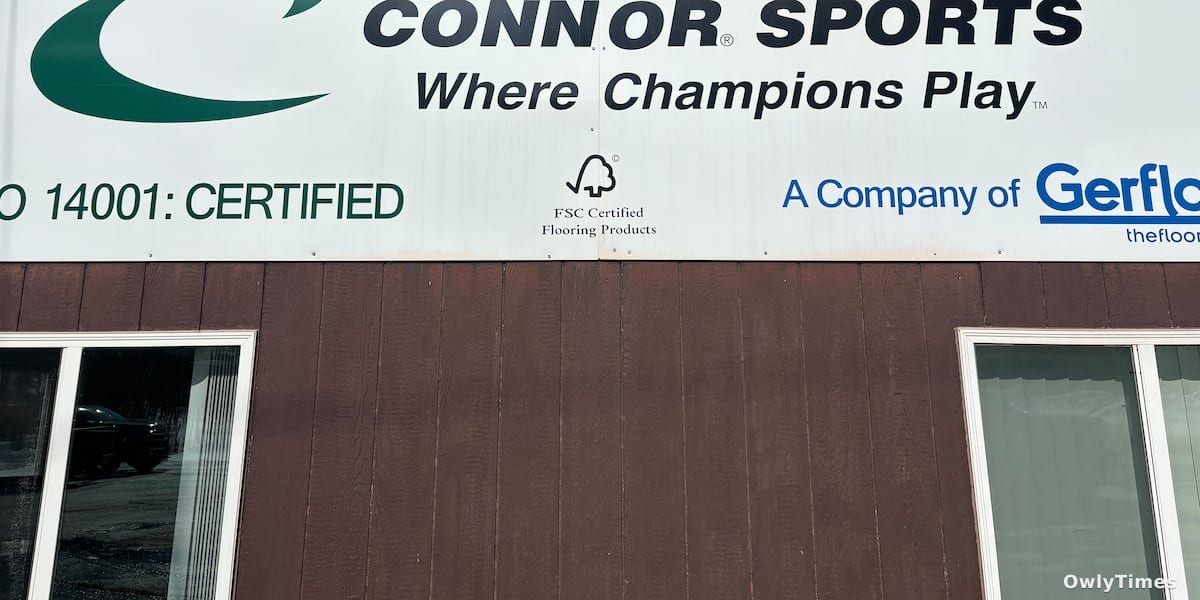
In the small community of Amasa, the hum of machinery signifies a global reach that belies the region’s modest geography. Connor Sports has cemented its footprint in the industry, recently expanding its contracts to supply premium courts to WNBA powerhouses, including the L.A. Sparks, the Chicago Sky, and the Portland Fire. This isn't merely about manufacturing; it is about exporting the physical identity of the region. For the workers on the floor, there is a profound sense of purpose in knowing that their labor—the actual wood, effort, and sweat of the U.P.—is literally supporting the most talented athletes on the planet.
Zach Riberdy, the Marketing Director at Connor Sports, captures the disconnect between the global scale of their product and the obscurity of their hometown. “You do that 30,000ft view down and drop a couple pins in the U.P. most people wouldn’t even know where Iron Mountain is, or if I told them where Crystal Falls is in Michigan they would assume it’s lower Michigan somewhere by Lake Superior or something,” Riberdy notes. It is a striking contradiction: a product that defines the spectacle of professional sports originates from a place that is a blank spot on the mental maps of most fans.
A Collaborative Industrial Hub
The transformation of the Upper Peninsula into a manufacturing powerhouse is a shared endeavor, even among rivals. While Connor Sports operates as the official court provider for the NCAA Final Four, they share the region with Robbins Flooring, based in Ishpeming. Robbins has secured the contract for all future NBA courts, creating a unique ecosystem where two competing companies are effectively turning the U.P. into the premier hub for elite sports infrastructure.
Instead of a cutthroat race to the bottom, there is a sense of regional pride in this dual dominance. Connor Sports maintains a spirit of mutual respect with Robbins Flooring, recognizing that their proximity serves a greater purpose: establishing the U.P. as a specialized manufacturing force once again. This cooperative spirit is helping to revitalize the local economy, proving that regional specialization can carry as much weight in the modern sports economy as any venture capital-backed project in a coastal city.
The Foundation of Future Play
This shift signals more than just a logistical update for basketball leagues; it represents a return to the roots of American manufacturing. By anchoring the most high-profile games in the country to the craftsmanship of the Upper Peninsula, the industry is creating a direct line between the raw resources of the Midwest and the cultural heights of the professional game. As these companies continue to scale their operations and fulfill their high-profile contracts, the next reading of the region’s output will determine if this concentration of talent and production can permanently redefine the geography of sports manufacturing. For now, the players are performing, and the world is watching, all while standing on wood shaped by the hands of workers who remain largely invisible to the cheering crowds.

