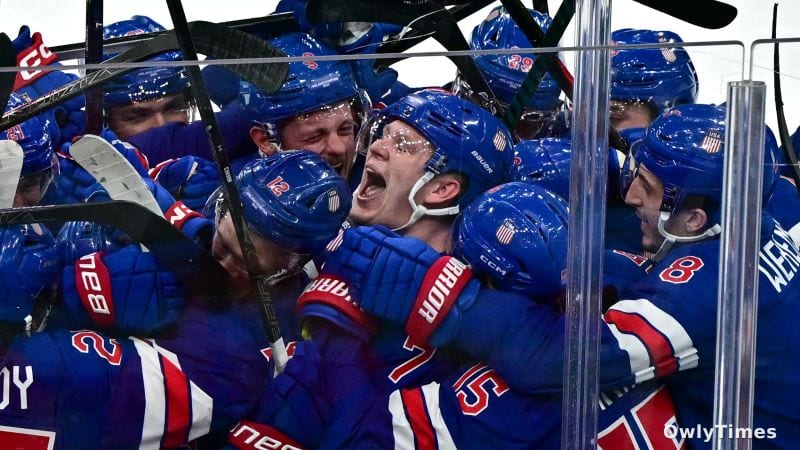

The air in Cortina d’Ampezzo crackled with a strange energy today, a blend of athletic triumph and simmering controversy. While Alysa Liu’s gold in figure skating and the US women’s hockey team’s overtime victory over Canada rightfully dominated headlines, a quieter narrative unfolded – one of accusations, defiant retorts, and a surprising cameo by the FBI Director. The 2024 Winter Olympics aren’t just a showcase of physical prowess; they’re a pressure cooker of national pride, geopolitical undercurrents, and, apparently, a very public curling feud.
The American surge in medal counts – adding Jordan Stolz’s silver in speed skating to the gold rush – is, of course, the story the US Olympic Committee wants to tell. But beyond the headlines of athletic achievement lies a fascinating tension: the Games are simultaneously a celebration of global unity and a fiercely contested arena for national prestige. This year, that tension feels particularly acute, amplified by the presence of figures like FBI Director Kash Patel, whose attendance, while framed as patriotic support (“Please tell them yes, I am rooting for the greatest team on earth from the greatest country on earth. Go Team USA,” he reportedly told spokesperson Ben Williamson), inevitably raises questions about security and the broader political landscape. Is this simply a show of support, or a subtle assertion of American influence on the world stage?
The curling controversy, initially dismissed as a minor squabble, is a perfect microcosm of this underlying tension. Veteran Canadian curler Marc Kennedy found himself embroiled in a heated exchange with opponents after accusations of cheating during a round-robin match against Sweden. Kennedy’s blunt, expletive-laden response – “He’s still accusing us of cheating, and I didn’t like it. So I told him where to stick it because we’re the wrong team to do that to” – went viral, sparking debate about sportsmanship and the intensity of Olympic competition. What began as a disagreement over strategy quickly escalated into a nationalistic clash, with Kennedy seemingly embracing the role of defender of Canadian honor. The fact that this incident strengthened the team’s resolve, according to coach Paul Webster, speaks volumes about the psychological warfare at play. It’s a reminder that these athletes aren’t just competing against individuals; they’re representing entire nations, carrying the weight of expectation and the potential for glory – or disgrace.
See the original CNN story for the full account.
The drama wasn’t confined to the ice. In the men’s freeski halfpipe qualifying, Finley Melville Ives of New Zealand suffered a frightening fall, requiring him to be stretchered off the course. While thankfully no life-threatening injuries were reported, the incident served as a stark reminder of the inherent risks involved in these extreme sports. Simultaneously, a moment of levity emerged when Chinese freeskier Sheng Haipeng lost his phone mid-air during a qualifying run. The image of a white phone tumbling towards the snow, and the subsequent scramble to retrieve it, offered a welcome dose of humor amidst the high-stakes competition. These contrasting moments – the potential for serious injury and the accidental comedy – highlight the unpredictable nature of the Games, where triumph and misfortune can coexist in a matter of minutes.
Beyond the athletic feats and the occasional scandal, the Olympics are also a cultural phenomenon. The introduction of Olympic-specific lingo – “apple” for assist, “bar down” for a goal – demonstrates the unique language that develops around these events, creating a sense of community among fans. And then there’s Jordan Cowan, the camera operator whose all-white tuxedo has turned him into an unlikely celebrity. Cowan’s innovative approach – being the first camera operator allowed on the ice – has captured intimate moments of emotion and celebration, offering viewers a perspective they’ve never seen before. His story is a testament to the power of creativity and the enduring appeal of human connection, even in the midst of a global sporting event.
But the question lingering as the Games progress isn’t just about who will win the most medals. It’s about what the Olympics will mean in a world increasingly defined by political polarization and geopolitical instability. Will these Games serve as a bridge between nations, or will they further exacerbate existing tensions? And, perhaps more importantly, will the focus remain on the athletes and their incredible achievements, or will the spectacle be overshadowed by the political maneuvering and off-field controversies? The next few days will be crucial in determining the legacy of Milan 2026.

